Read on Global News
Canada's Diplomatic Reset: Carney to Meet Chinese President Amid Strained Relations
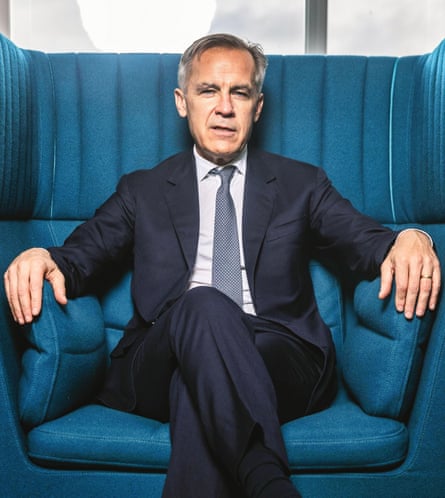
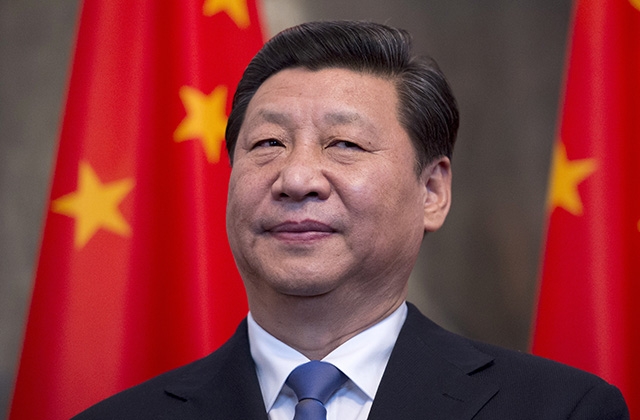
Prime Minister Mark Carney is set to meet with Chinese President Xi Jinping at the Asia Pacific Economic Cooperation forum in South Korea, marking a significant diplomatic thaw between the two nations. This high-level meeting comes seven months after China executed four Canadians with dual citizenship and follows years of deteriorating relations. The discussions will focus on resetting expectations and rebuilding the commercial relationship, representing Carney's continued efforts to stabilize Canada-China relations since taking office.
Prime Minister Mark Carney's planned meeting with Chinese President Xi Jinping represents a pivotal moment in Canada-China relations, signaling a potential diplomatic reset after years of tension. The leaders are scheduled to meet during the Asia Pacific Economic Cooperation forum in South Korea, marking the first formal meeting between Canadian and Chinese leaders since Justin Trudeau's 2017 official visit to China. This development comes at a critical juncture, following Foreign Affairs Minister Anita Anand's recent visit to Beijing and amid ongoing trade disputes between the two nations.
Background of Strained Relations
The Canada-China relationship has faced significant challenges in recent years, reaching a low point in March 2025 when then-foreign affairs minister Melanie Joly confirmed that four Canadians holding dual Chinese citizenship had been executed in China for what authorities described as "drug-related crimes." The Canadian government strongly condemned these actions at the time, further straining diplomatic ties. This incident followed years of escalating tensions that began in December 2018 with the arrest of Huawei CFO Meng Wanzhou in Vancouver at the request of U.S. authorities.
Recent Diplomatic Thaw
Carney's government has been actively working to rebuild the relationship with China since taking office. The planned meeting with President Xi follows Foreign Affairs Minister Anita Anand's productive visit to Beijing, where she met with her Chinese counterpart Wang Yi. Carney described this process as "a resetting of expectations of where the relationship can go," emphasizing that relationships rebuild over time when they have changed for the worse. The prime minister previously met with Chinese Premier Li Qiang at the United Nations in September, laying additional groundwork for this upcoming leadership summit.
Trade Disputes and Economic Implications
The meeting occurs against the backdrop of ongoing trade tensions between Canada and China. Last October, Canada followed the United States' lead by imposing 100 percent tariffs on Chinese electric vehicles, batteries, solar panels, and critical minerals. China responded with retaliatory tariffs on Canadian canola products, seafood, and pork exports. Canadian premiers and business leaders have been urging Carney to meet with Xi to ease these trade disputes, with some provincial leaders specifically advocating for the removal of Canadian tariffs on Chinese electric vehicles as a goodwill gesture.
Strategic Importance and Future Outlook
Carney emphasized that his discussions with President Xi will cover "a broad range of issues, both in terms of the commercial relationship as well as the evolution of the global system." The prime minister distinguished between transactional approaches and relationship-building, stating that Canada is focused on establishing a sustainable long-term relationship with China. This meeting represents part of Carney's broader diplomatic efforts in Asia, where he is promoting Canada as a reliable trading partner amid shifting global trade dynamics and U.S. policy changes.
The upcoming Carney-Xi meeting marks a significant step toward normalizing Canada-China relations after years of diplomatic challenges. While substantial issues remain unresolved, including human rights concerns and trade disputes, this high-level engagement demonstrates both countries' willingness to rebuild their relationship. The outcome of these discussions could have far-reaching implications for Canadian businesses, international trade dynamics, and Canada's strategic positioning in the Asia-Pacific region.