Read on nature.com
Beyond the X: How Systematic Maps Are Revealing the True 3D Organization of Human Chromosomes
For decades, chromosomes were visualized as simple X-shaped structures, but this is only their form during cell division. The rest of the time, they exist in a complex, folded 3D architecture within the cell nucleus. This intricate spatial organization is not random; it is crucial for fundamental biological processes like gene expression, DNA replication, and repair. A landmark project by the 4D Nucleome Consortium has now produced the first systematic, large-scale maps of this architecture, revealing how human chromosomes are woven together in space and how this organization changes over time. This research provides an unprecedented integrated view of the human nucleome, offering new insights into genetics, development, and disease.
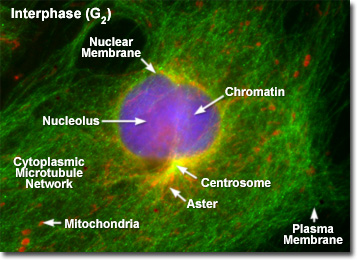
When you picture a chromosome, the iconic X-shape likely comes to mind. However, this familiar form is a fleeting snapshot, captured only during the brief, dramatic process of cell division. For the vast majority of a cell's life, chromosomes exist in a far more complex and dynamic state within the nucleus, adopting an amorphous appearance under conventional microscopes. At the molecular level, this apparent chaos belies a highly organized and non-random three-dimensional architecture. This spatial organization is fundamental to life, enabling the precise control of gene activity, the accurate copying of genetic material, and the efficient repair of DNA damage. A groundbreaking paper published in Nature by the 4D Nucleome Consortium reports the first phase of a monumental effort to systematically catalogue this 3D organization in human cells and understand how it changes—the fourth dimension of time.

The Critical Architecture of the Nucleome
The nucleus is not a simple bag of DNA. Chromosomes are meticulously folded and positioned in three-dimensional space, creating a functional architecture known as the nucleome. This structure ensures that specific genes come into physical proximity with the regulatory elements that control them, often over vast genomic distances. Disruptions to this precise folding can lead to misregulation of genes, which is a hallmark of many developmental disorders and cancers. Understanding this architecture is therefore not just an academic exercise; it is essential for deciphering the genetic basis of health and disease. The 4D Nucleome project, as detailed in the Nature News & Views article, aims to move beyond studying individual genes or regions to create a comprehensive, genome-wide atlas of nuclear organization.
Mapping the Fourth Dimension: Time and Dynamics
A static map of chromosome organization provides only half the story. The '4D' in the consortium's name signifies the crucial addition of time. The architecture of the nucleus is dynamic, changing during development, in response to cellular signals, and across the cell cycle. For instance, the compact, X-shaped chromosomes of mitosis must completely unravel and re-establish their interphase folding after cell division. The consortium's systematic approach allows researchers to track these temporal changes, offering insights into how nuclear organization is established, maintained, and remodeled. This dynamic view is key to understanding cellular differentiation, where a stem cell's nuclear architecture is reprogrammed to become a specific cell type like a neuron or a muscle cell.
Technological Foundations and Future Implications
The ability to create these systematic maps rests on advanced technologies developed over the past two decades, notably high-throughput chromosome conformation capture methods like Hi-C. These techniques allow scientists to freeze and catalog the physical interactions between different segments of DNA across the entire genome. By applying these methods systematically across different cell types and conditions, the 4D Nucleome Consortium is building a foundational resource for the biological community. This integrated view of the human nucleome will serve as a reference for studying genetic variation, disease mechanisms, and potential therapeutic interventions. It transforms our understanding of the genome from a one-dimensional sequence of letters into a dynamic, three-dimensional machine where location is everything.
In conclusion, the work of the 4D Nucleome Consortium marks a paradigm shift in genetics and cell biology. By systematically mapping the intricate, time-varying architecture of human chromosomes, researchers are uncovering the hidden spatial logic that governs genomic function. This comprehensive atlas moves us beyond the simplistic X-shaped chromosome icon, revealing the complex, woven tapestry of the nucleus that is essential for life. This foundational knowledge paves the way for deeper insights into human development, aging, and disease, ultimately bringing us closer to understanding the full complexity of our genetic blueprint.