UN Expands Blacklist with 68 Companies Accused of Complicity in Israeli Settlement Rights Violations
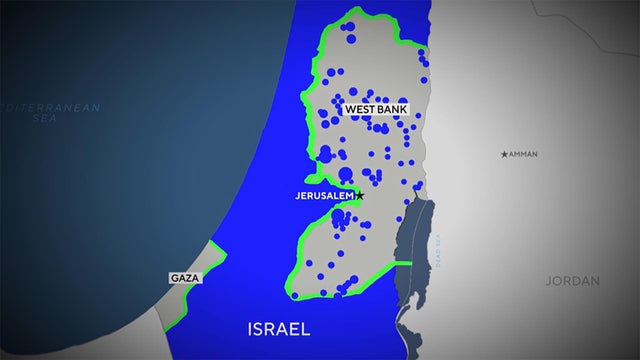
The United Nations has significantly expanded its corporate blacklist, adding 68 companies from 11 countries that are allegedly complicit in violating Palestinian human rights through their business operations in Israeli settlements in the occupied West Bank. This move represents a major escalation in international efforts to hold corporations accountable for their involvement in contentious territorial disputes and human rights violations.
The United Nations has taken a significant step in corporate accountability by adding nearly 70 companies to its official blacklist of firms allegedly complicit in human rights violations related to Israeli settlements in the occupied West Bank. This expansion represents one of the most substantial updates to the UN's corporate monitoring efforts concerning the Israeli-Palestinian conflict.
Scope and Scale of the Blacklist Expansion
The updated blacklist now includes companies from 11 different countries, reflecting the international nature of business operations connected to Israeli settlements. This expansion follows extensive research and documentation of corporate activities that directly or indirectly support settlement infrastructure and operations in the West Bank.
Legal and Ethical Implications
The UN's decision carries significant legal and ethical weight for the listed companies. Being included on this blacklist may subject these firms to increased scrutiny from investors, consumers, and regulatory bodies worldwide. The designation specifically addresses alleged complicity in human rights violations, which could have far-reaching consequences for corporate reputations and business operations.
International Response and Corporate Accountability
This UN action represents a growing trend toward holding corporations accountable for their operations in conflict zones and occupied territories. The blacklist serves as an important tool for transparency, allowing stakeholders to make informed decisions about business relationships and investments. The inclusion of companies from multiple countries underscores the global nature of corporate responsibility in conflict situations.
Future Implications
The expanded blacklist is likely to influence future corporate behavior and investment decisions in the region. Companies operating in or with connections to contested territories may face increased pressure to conduct thorough human rights due diligence and reassess their business relationships. This development marks a significant moment in the ongoing effort to align corporate activities with international human rights standards.