Read on nature.com
Direct Electrification Outperforms Hydrogen for Road Transport and Heating
A comprehensive analysis published in Nature reveals that using hydrogen to power road transportation and heat homes doesn't save more carbon emissions than direct electrification. The research indicates that while hydrogen is often promoted as a green fuel alternative, its environmental benefits vary significantly across different sectors. For cars, buses, and residential heating systems, direct electrification proves to be the more environmentally friendly choice according to the latest scientific assessment.
As the world accelerates its transition to clean energy, a critical analysis published in Nature challenges conventional wisdom about hydrogen's role in decarbonization. The research reveals that using hydrogen to power road transportation and heat homes doesn't deliver superior carbon emission savings compared to direct electrification approaches.
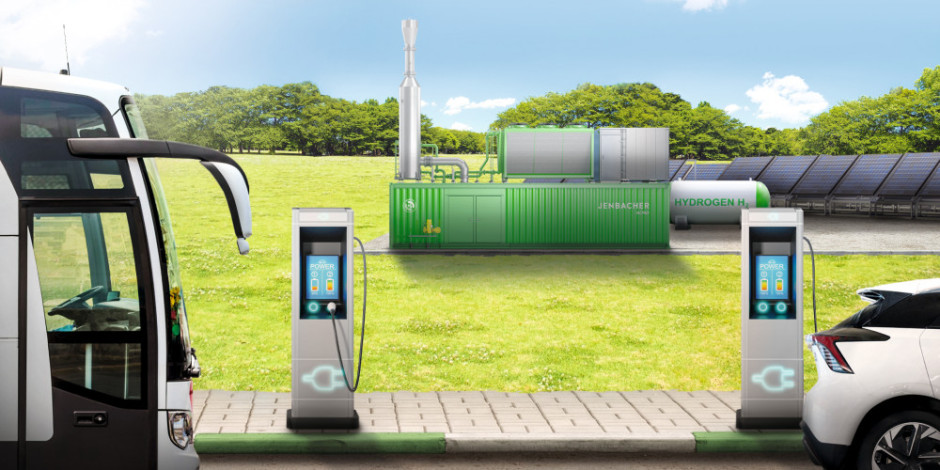
The Hydrogen vs. Electrification Debate
The study, published in Nature Energy, provides a comprehensive assessment of hydrogen's environmental performance across different sectors. While hydrogen has been widely promoted as a green fuel solution, the analysis indicates that its benefits are highly sector-dependent. For road transportation and residential heating specifically, direct electrification emerges as the more environmentally friendly choice according to the research findings.
Road Transportation Analysis
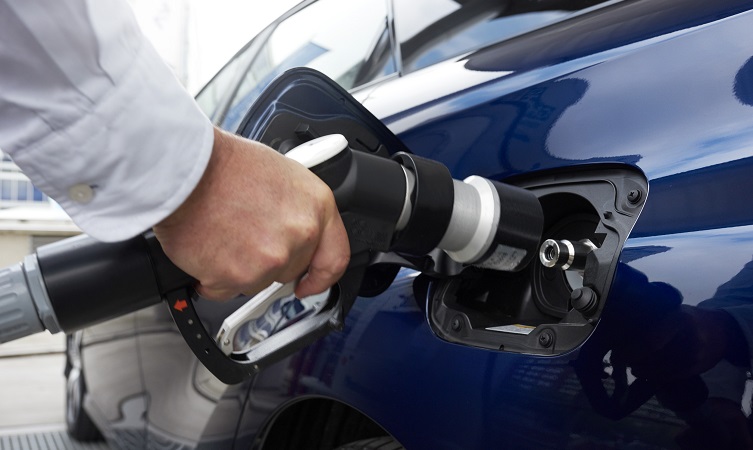
For cars and buses, the research demonstrates that powering vehicles directly with electricity through batteries proves more efficient than using hydrogen fuel cells. The energy conversion losses in hydrogen production, transportation, and fuel cell operation significantly reduce the overall efficiency compared to direct battery electric systems. This efficiency gap translates directly to higher carbon emissions when using hydrogen for road transport applications.
Residential Heating Considerations
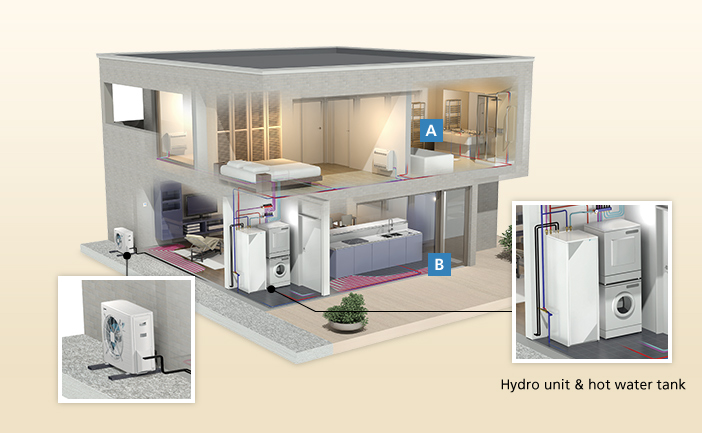
The analysis extends to residential heating applications, where similar patterns emerge. Heat pumps and direct electric heating systems demonstrate superior environmental performance compared to hydrogen-based heating solutions. The research accounts for the full lifecycle emissions, including hydrogen production methods and distribution infrastructure requirements.
Implications for Energy Policy
These findings have significant implications for climate policy and energy infrastructure planning. As governments and industries allocate resources for decarbonization, the research suggests prioritizing direct electrification for road transport and heating applications. The study emphasizes the importance of sector-specific approaches rather than blanket hydrogen adoption strategies.
Conclusion
The Nature analysis provides crucial evidence for making informed decisions about our clean energy future. While hydrogen may play important roles in other sectors, direct electrification offers more effective decarbonization pathways for road transportation and residential heating. This research underscores the need for targeted, evidence-based approaches to achieving our climate goals.