GLP-1 Drugs: A Promising New Frontier in Addiction Treatment
GLP-1 receptor agonists, medications originally developed for diabetes and obesity management, are showing remarkable potential in treating various forms of addiction. Early research indicates these drugs may help reduce alcohol consumption, opioid seeking behaviors, and nicotine use by acting on the brain's reward circuits. While current addiction treatments fall short of addressing public health needs, GLP-1 medications could represent a breakthrough approach to substance use disorders. Scientists emphasize that more research is needed but remain optimistic about this emerging therapeutic application.
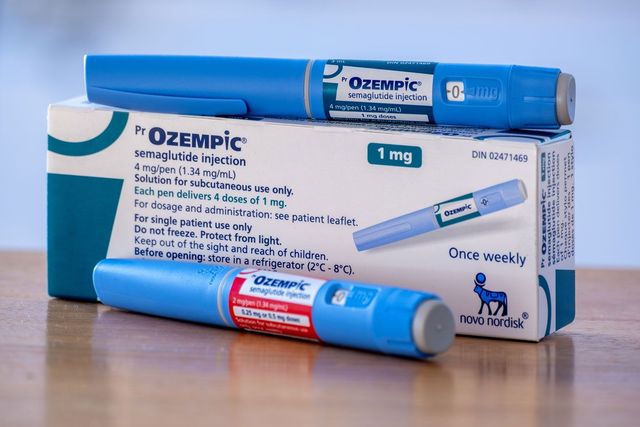
GLP-1 receptor agonists, the revolutionary medications that transformed diabetes and obesity treatment, are now emerging as potential game-changers in addiction therapy. These drugs, which include well-known names like Ozempic and Wegovy, appear to influence the brain's reward pathways in ways that could help reduce substance cravings and addictive behaviors. According to research from The Endocrine Society, this unexpected application could address critical gaps in current addiction treatment options.
The Science Behind GLP-1 and Addiction
GLP-1 medications work by mimicking the natural glucagon-like peptide-1 hormone that regulates blood sugar and appetite. Beyond their digestive effects, these molecules play significant roles in the central nervous system. Activation of GLP-1 receptors in the brain helps regulate hunger signals, but researchers have discovered these same pathways are involved in reward processing and addictive behaviors.
The biological overlap between addiction and certain forms of obesity has prompted scientists to explore GLP-1 drugs for substance use disorders. As noted in the Endocrine Society study, pathways implicated in addiction also contribute to pathological overeating, suggesting common neurological mechanisms that GLP-1 medications might target.
Early Research Findings
Preliminary studies across multiple substance categories show promising results. For alcohol use disorder, recent clinical trials with semaglutide demonstrated reduced alcohol self-administration, fewer drinks per drinking day, and decreased cravings in participants. While an earlier trial with exenatide showed no significant overall effect, secondary analysis indicated reduced alcohol intake in people with both AUD and obesity.

In opioid use disorder, rodent studies have shown that several GLP-1 receptor agonists reduce self-administration of heroin, fentanyl, and oxycodone. These medications also appear to reduce reinstatement of drug seeking, which serves as an animal model for human relapse behavior. Similarly, preclinical data for tobacco use disorder indicate that GLP-1 drugs reduce nicotine self-administration and seeking behaviors in rodent models.
Current Treatment Limitations
The potential of GLP-1 medications comes at a critical time for addiction treatment. Substance use disorders cause widespread harm extending beyond individual health to affect families, communities, and societies globally. Alcohol, in particular, is considered the most damaging drug overall due to its contribution to health problems, traffic accidents, and violence.
Despite the scale of the problem, fewer than one in four people received treatment for alcohol or other substance use disorders in 2023. The study authors point to numerous barriers including stigma and limited resources for both patients and providers. As the research notes, current treatments for alcohol and substance use disorders fall short of addressing public health needs, highlighting the urgency for new therapeutic approaches.
Future Research Directions
While early results are encouraging, researchers emphasize that more investigation is needed to confirm how effectively GLP-1 drugs treat addiction and to understand the underlying biological mechanisms. Lead researcher Lorenzo Leggio, M.D., Ph.D., of the National Institute on Drug Abuse and National Institute on Alcohol Abuse and Alcoholism, stresses the importance of this research direction.

"This research is very important because alcohol and drug addiction are major causes of illness and death, yet there are still only a few effective treatment options," Leggio stated. "Finding new and better treatments is critically important to help people live healthier lives." The research team continues to explore how these medications might influence brain circuits that drive addictive behavior while potentially benefiting other coexisting health issues.
As scientific understanding evolves, GLP-1 medications could represent a powerful new front in addiction therapy, offering hope for millions struggling with substance use disorders worldwide. The convergence of metabolic and addiction research opens exciting possibilities for addressing these complex conditions through novel biological mechanisms.