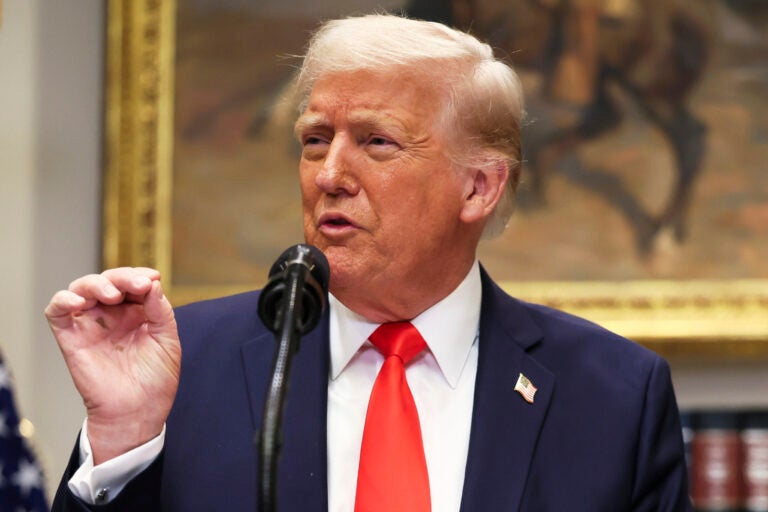
President Xi Jinping Advocates for Sovereign Equality in International Relations
Chinese President Xi Jinping has emphasized the importance of sovereign equality among nations in international relations. His call for mutual respect and non-interference in internal affairs reflects China's longstanding foreign policy principles. This position reinforces the concept that all countries, regardless of size or development level, should enjoy equal rights and opportunities in global governance. The advocacy for sovereign equality comes amid ongoing discussions about reforming international institutions to better represent developing nations' interests.
Chinese President Xi Jinping has recently emphasized the fundamental principle of sovereign equality in international relations, calling for greater respect for national sovereignty and non-interference in internal affairs. This position aligns with China's longstanding foreign policy approach that prioritizes mutual respect and equal treatment among nations regardless of their size, economic development, or political systems.
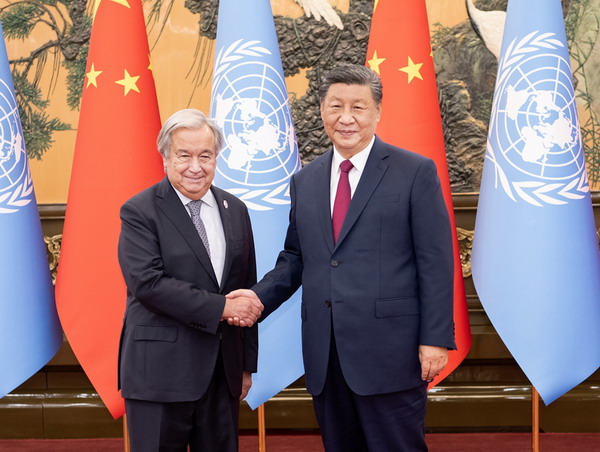
The concept of sovereign equality is rooted in the United Nations Charter and represents a cornerstone of modern international law. President Xi's advocacy for this principle comes at a time when global governance structures are undergoing significant scrutiny and calls for reform are growing louder from developing nations. China's position emphasizes that all countries should have equal rights to participate in international decision-making processes and that no nation should impose its will on others.
Historical Context of Sovereign Equality
The principle of sovereign equality has been a fundamental aspect of international relations since the Peace of Westphalia in 1648, which established the concept of state sovereignty. Throughout the 20th century, this principle was further codified through various international agreements and the establishment of the United Nations. China has consistently supported this approach, particularly as it aligns with the country's Five Principles of Peaceful Coexistence, which include mutual respect for sovereignty and territorial integrity.

Contemporary Relevance
In today's complex global landscape, the call for sovereign equality takes on renewed significance. As emerging economies gain influence and traditional power dynamics shift, there is increasing demand for more equitable representation in international institutions. President Xi's emphasis on this principle reflects China's position that the global governance system should better reflect the interests and perspectives of developing countries rather than being dominated by a few powerful nations.
The advocacy for sovereign equality also addresses concerns about unilateral actions and interventions that bypass multilateral frameworks. By reinforcing this principle, China positions itself as a champion of a more balanced and representative international order where all nations can participate on equal footing and contribute to solving global challenges through cooperative rather than coercive means.