The Hidden Health Risks of Microplastics in Bottled Water
Recent research from Concordia University reveals alarming findings about microplastic contamination in bottled water. The study shows that bottled water drinkers consume up to 90,000 more microplastic particles annually than tap water consumers. These invisible pollutants can cross biological barriers, enter the bloodstream, and accumulate in vital organs, potentially causing chronic inflammation, hormonal disruption, and neurological damage. Despite these serious health implications, microplastic contamination remains dangerously understudied and poorly regulated in the bottled water industry.
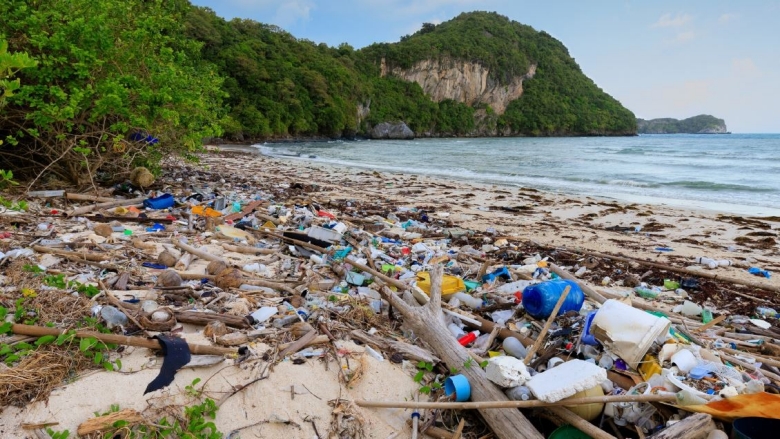
The pristine image of bottled water as a pure, healthy hydration choice is being fundamentally challenged by groundbreaking research from Concordia University. What began as a chance observation of plastic waste on Thailand's Phi Phi islands has evolved into a comprehensive investigation revealing the hidden health risks lurking in every sip of bottled water.
The Scale of Microplastic Contamination
According to research published in the Journal of Hazardous Materials, individuals typically ingest between 39,000 and 52,000 microplastic particles annually through various sources. However, bottled water users face an additional burden, consuming approximately 90,000 more microplastic particles each year compared to those who drink tap water. These particles range from microscopic to nearly invisible, with microplastics measuring between one micron and five millimeters, while nanoplastics are even smaller at less than one micron.
How Microplastics Enter Bottled Water
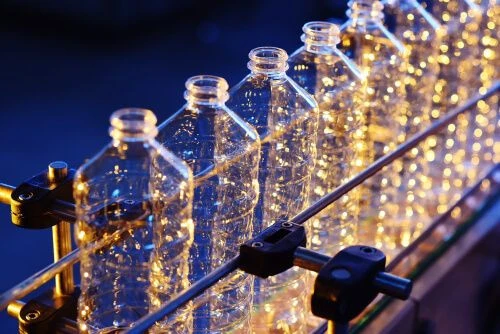
The contamination process begins during manufacturing and continues throughout the bottle's lifecycle. Single-use plastic water bottles, often made from lower-quality materials, continuously shed tiny plastic fragments when exposed to manipulation, sunlight, and temperature fluctuations. Unlike microplastics that enter the body through the food chain, these particles are ingested directly from the source, bypassing natural filtration systems.
Health Implications and Biological Pathways
Once ingested, these tiny plastic particles demonstrate remarkable ability to cross biological boundaries. Research indicates they can enter the bloodstream and travel to vital organs, where they may accumulate over time. The health consequences are potentially severe, including chronic inflammation, oxidative stress on cells, hormonal disruption, impaired reproductive function, neurological damage, and increased cancer risk. The chronic nature of this exposure means effects may develop gradually over years or decades.
Research Challenges and Detection Methods
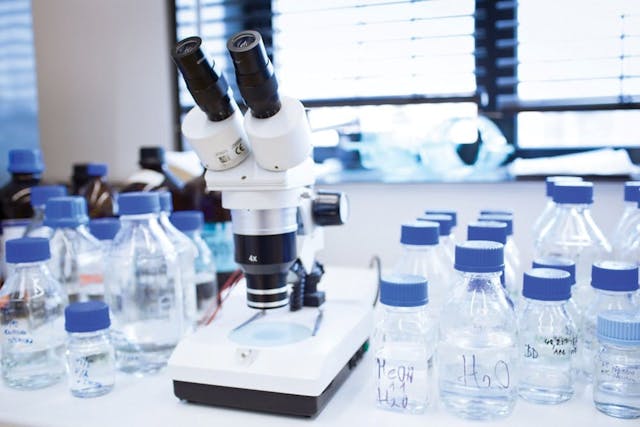
A significant obstacle in understanding the full scope of this problem lies in detection limitations. Current research methods face substantial challenges in accurately measuring nano- and microplastic contamination. Some techniques can detect extremely small particles but cannot identify their chemical composition, while others provide detailed makeup information but miss the smallest plastics. The most advanced and reliable detection tools remain prohibitively expensive and inaccessible for widespread testing.
Regulatory Gaps and Public Awareness
Despite growing evidence of health risks, single-use plastic water bottles receive surprisingly little regulatory attention compared to other plastic products. While governments worldwide have implemented restrictions on plastic bags, straws, and packaging, bottled water remains largely unaddressed in environmental legislation. Education emerges as the most crucial preventive measure, helping consumers understand that while bottled water may be acceptable in emergencies, regular daily use poses chronic toxicity risks that accumulate over time.
The research underscores an urgent need for greater public awareness, improved detection methods, and comprehensive regulatory action to address the hidden health risks associated with microplastic contamination in bottled water. As evidence continues to mount, consumers may need to reconsider their hydration choices and advocate for stricter safety standards in the bottled water industry.