Read on PBS News
Pentagon Watchdog Finds Defense Secretary's Signal Use Endangered U.S. Personnel
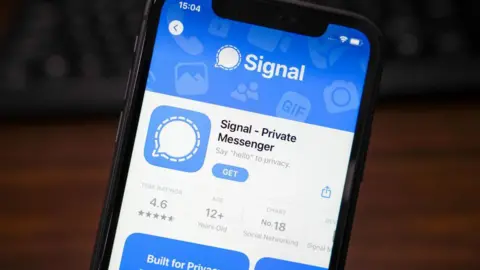
A Department of Defense Inspector General report has concluded that Defense Secretary Pete Hegseth's use of the Signal messaging app to discuss a military strike in Yemen earlier this year put U.S. service members at risk. The investigation found that Hegseth transmitted messages classified as 'secret/no foreign' on a personal device, violating Pentagon policy. The incident came to light when a journalist was accidentally added to the chat, which contained real-time operational details about strikes against Houthi militants. The watchdog determined that if intercepted, this information could have seriously compromised national security and endangered military personnel.
A recent Department of Defense Inspector General investigation has revealed a significant security breach involving the nation's top defense official. The report concludes that Defense Secretary Pete Hegseth's decision to use the encrypted Signal messaging app to discuss sensitive military operations in Yemen earlier this year placed American service members in jeopardy. This incident highlights critical vulnerabilities in how classified information is handled at the highest levels of government and raises serious questions about operational security protocols.
The Inspector General's Findings
According to the PBS NewsHour report, the Inspector General's investigation, mandated by Congress, determined that Secretary Hegseth transmitted messages classified as "secret/no foreign" through the Signal application. This classification level indicates that unauthorized disclosure could reasonably be expected to cause serious damage to national security and specifically prohibits sharing with foreign nationals. The watchdog concluded that if these messages had been intercepted, they would have endangered both U.S. service members and the mission objectives in Yemen.
How the Security Breach Was Discovered
The Secretary's use of Signal came to public attention through an extraordinary administrative error. Jeffrey Goldberg, editor-in-chief of The Atlantic and moderator of "Washington Week," was accidentally added to the Signal chat where Hegseth was providing real-time updates about upcoming strikes against Houthi rebel leaders. The chat contained extraordinary operational detail, including specific timing, weapon types, and information about which aircraft would be deployed toward Yemen. Participants in the chat reportedly concluded they were "clean on OPSEC" (operational security), a determination the Inspector General's report directly contradicts.
Policy Violations and Pentagon Response
The Inspector General identified multiple policy violations in Hegseth's actions. Most notably, the Secretary used his personal device for these sensitive communications rather than a secured government phone, directly contravening Department of Defense security protocols. In response to the findings, the Pentagon has pointed to other aspects of the report, noting that the Secretary has the authority to declassify information as he sees fit. Chief Pentagon spokesman Sean Parnell issued a statement calling the investigation "a total exoneration of Secretary Hegseth" and asserting that "no classified information was shared."
Broader Implications for Military Security
This incident raises serious concerns about security practices at the highest levels of the U.S. military command structure. As noted in the PBS report, a former senior military official and Senate Armed Services Committee top Democrat Jack Reed emphasized that if a lower-ranking service member had provided similar operational details before a mission involving manned aircraft, that individual would likely face court-martial and discharge. The disparity in accountability between leadership and rank-and-file personnel presents significant institutional challenges for maintaining consistent security standards across the military.

Conclusion: A Critical Security Lesson
The Pentagon watchdog's findings serve as a stark reminder that operational security cannot be compromised, regardless of an individual's position or authority. The use of personal devices and non-secure communication platforms for discussing classified military operations creates unacceptable risks for service members and national security objectives. While the political dimensions of this investigation continue to be debated, the fundamental security principles highlighted by this incident remain clear: consistent adherence to established protocols is essential for protecting both personnel and mission success in an increasingly complex threat environment.