Read on France 24
Somalia Condemns Israel's Recognition of Somaliland as Independent State
Somalia has issued a strong condemnation following Israel's formal recognition of the breakaway northern region of Somaliland as an independent and sovereign state on December 26, 2025. This move marks the first time any country has extended official recognition to Somaliland, which declared independence from Somalia in 1991. The diplomatic development has escalated regional tensions and drawn international attention, with US President Donald Trump expressing opposition to similar US recognition in recent comments.
The geopolitical landscape of the Horn of Africa shifted significantly on December 26, 2025, when Israel announced its formal recognition of Somaliland as an independent and sovereign state. This unprecedented diplomatic move has triggered a sharp response from the Federal Government of Somalia, which maintains that Somaliland remains an integral part of its territory. The recognition represents a major breakthrough for Somaliland, which has sought international legitimacy for over three decades since declaring independence in 1991.

Historical Context of Somaliland's Independence Claim
Somaliland's journey toward recognition has been long and complex. The region was a British protectorate until 1960, when it united with Italian Somaliland to form the independent Republic of Somalia. Following the collapse of Somalia's central government in 1991, Somaliland declared independence and has since maintained relative stability and democratic governance compared to the rest of Somalia. Despite functioning as a de facto state with its own government, currency, and security forces, no country had previously granted it formal diplomatic recognition until Israel's announcement.
Somalia's Official Response
The Somali government reacted with immediate condemnation to Israel's recognition. According to reports from France 24, Somali officials expressed anger and rejection of what they consider a violation of Somalia's territorial integrity and sovereignty. The recognition has been characterized as an illegitimate interference in Somalia's internal affairs that could destabilize the fragile peace and security situation in the region. Somalia maintains that any discussion about Somaliland's status must occur within the framework of Somali national dialogue.

International Reactions and Implications
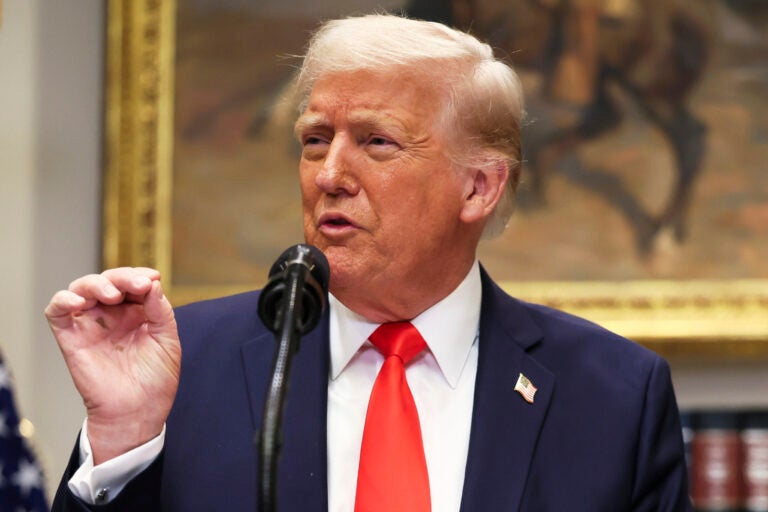
The international community has responded cautiously to Israel's move. Notably, US President Donald Trump stated in an interview with the New York Post that he opposed US recognition of Somaliland, suggesting that major Western powers may not follow Israel's lead. This development raises significant questions about regional diplomacy, particularly regarding:
- The potential for increased tensions between Somalia and Somaliland
- Impact on international aid and development programs in the region
- Possible shifts in diplomatic alliances in the Horn of Africa
- Implications for maritime security and trade routes in the Gulf of Aden
Strategic Considerations Behind Israel's Decision
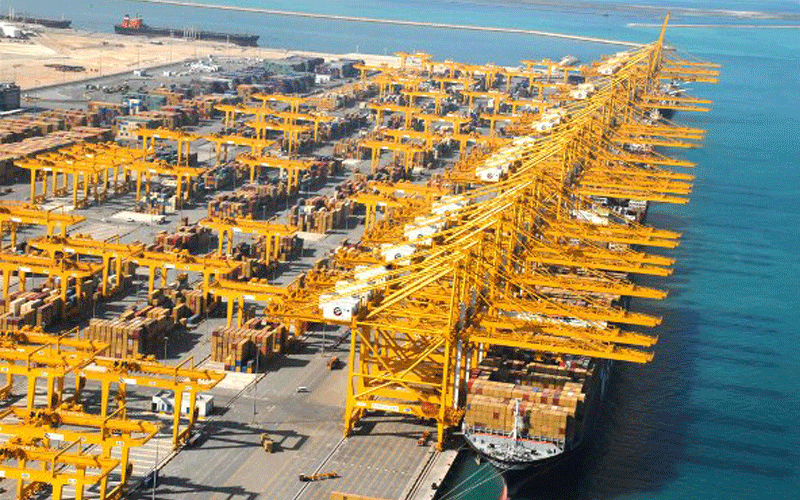
Analysts suggest several strategic factors may have influenced Israel's decision to recognize Somaliland. The region's location along critical shipping lanes in the Gulf of Aden offers potential security and economic partnerships. Additionally, Somaliland's relative stability compared to southern Somalia presents opportunities for diplomatic and economic engagement. Israel's move may also be viewed within broader Middle Eastern geopolitical dynamics, potentially countering influence from other regional powers.
Future Prospects and Regional Stability
The recognition creates new uncertainties for regional stability. While Somaliland celebrates a diplomatic victory, Somalia's rejection sets the stage for potential conflict. The African Union, which has traditionally supported Somalia's territorial integrity, faces a delicate balancing act. The situation may influence how other breakaway regions worldwide pursue recognition and could reshape diplomatic norms regarding state sovereignty in the 21st century. The coming months will reveal whether other nations follow Israel's precedent or whether this remains an isolated diplomatic gesture.
As this diplomatic development unfolds, observers will monitor several key indicators: whether additional countries extend recognition to Somaliland, how Somalia responds with concrete diplomatic or economic measures, and what position regional organizations like the African Union and Arab League adopt. The recognition has undoubtedly altered the political calculus in the Horn of Africa, with consequences that will reverberate through international diplomacy and regional security arrangements for years to come.