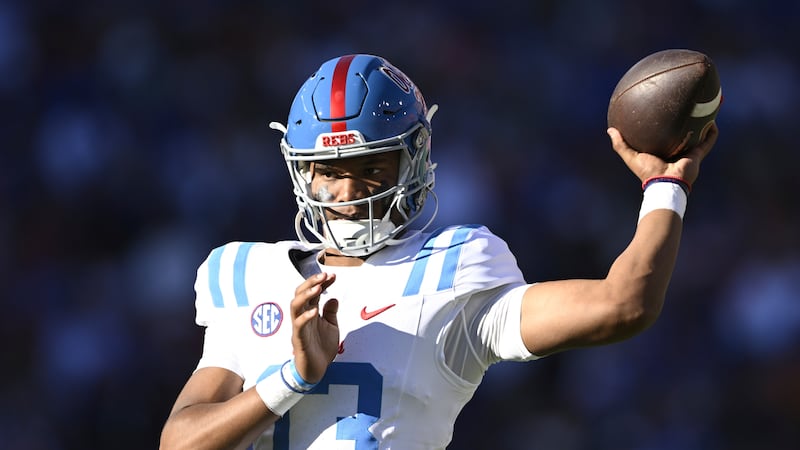
The Art of Compartmentalization: How CFP Coordinators Juggle Dual Coaching Roles
In the high-stakes world of college football's postseason, a growing number of coordinators face the unique challenge of balancing their current playoff responsibilities with new head coaching positions. As the College Football Playoff calendar collides with the coaching carousel, coaches like Texas A&M's Collin Klein, Oregon's Will Stein and Tosh Lupoi, and Ohio State's Brian Hartline must master the art of compartmentalization. This article explores how these coaches navigate dual roles, maintain focus during critical playoff games, and manage the transition to their future programs while honoring their current commitments.
The intersection of college football's postseason and its annual coaching carousel creates a unique professional paradox for coordinators. As teams advance through the College Football Playoff, several key coaches find themselves simultaneously preparing for championship games while building new programs elsewhere. This delicate balancing act requires extraordinary focus, organizational discipline, and the ability to compartmentalize competing priorities during the most critical moments of the season.
The Dual-Role Phenomenon in Modern College Football
This year's expanded 12-team College Football Playoff field has highlighted the growing trend of coaches working two jobs simultaneously. According to ESPN reporting, the playoff included two head coaches—Tulane's Jon Sumrall and James Madison's Bob Chesney—who had already accepted positions at Florida and UCLA, respectively. More notably, four primary coordinators for CFP teams found themselves in the unusual position of balancing their current playoff responsibilities with their first FBS head coaching opportunities.
The situation creates what Ohio State coach Ryan Day described as "a strange calendar" with "brutal" timing. As Day explained regarding Brian Hartline's transition to South Florida, "It's a lot on his plate. It's a lot to manage." This challenge is particularly acute for coordinators who must maintain intense focus on game planning and play calling while simultaneously building coaching staffs, managing recruiting, and establishing relationships at their new institutions.
Compartmentalization Strategies from the Front Lines
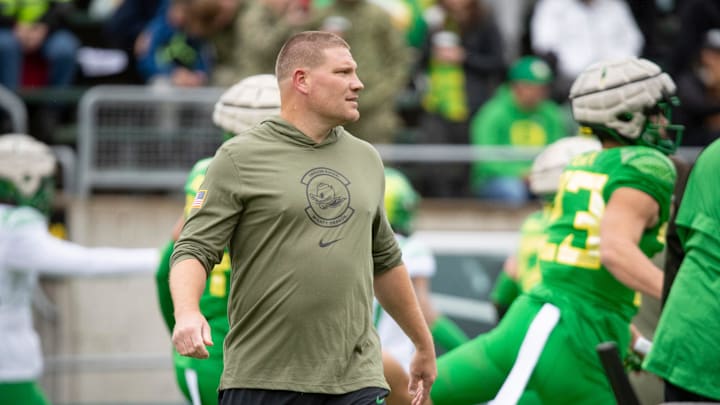
Successful navigation of dual roles requires deliberate compartmentalization strategies. Oregon defensive coordinator Tosh Lupoi, who will become Cal's head coach after the playoff, maintains strict boundaries during his Oregon responsibilities. "I placed my cell phone in a cabinet, out of sight or earshot, while I focused on practice, playcalls or film review," Lupoi told ESPN. This disciplined approach allows him to give his full attention to Oregon's playoff preparation while managing his Cal obligations during designated times.
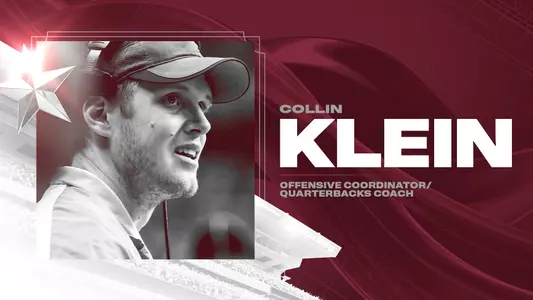
Collin Klein, who transitioned from Texas A&M offensive coordinator to Kansas State head coach during the playoff, developed a similar mindset. "The biggest thing is not just even multitasking, but just, 'OK, whatever's in front of me this second, I've got to kill that and then knock that out of the park, and then whatever the next one is,'" Klein explained. His approach involved scheduling specific days to focus on Kansas State responsibilities while maintaining primary focus on Texas A&M's playoff preparation.
Historical Precedents and Lessons Learned
The current coordinators aren't the first to navigate this challenging terrain. Former Alabama coach Nick Saban had multiple coordinators accept major jobs while the team competed in the four-team CFP. Defensive coordinator Kirby Smart began this trend in 2015 when he accepted the Georgia head coaching position, followed by Lane Kiffin (Florida Atlantic) in 2016, Jeremy Pruitt (Tennessee) in 2017, and Mike Locksley (Maryland) in 2018.
Mike Locksley, reflecting on his 2018 experience, told ESPN, "I made the conscientious decision that I was going to work for the Bama job more than I was going to worry about the Maryland job until I got [there]." His philosophy was that success with Alabama would ultimately benefit Maryland through increased exposure and championship experience. However, Locksley acknowledges that his approach might not work in today's environment with the transfer portal opening immediately after the season.
The Modern Challenges of Portal Management
The December and January transfer portal windows add significant complexity to the dual-role equation. Coaches must balance immediate playoff preparation with crucial roster management for their future programs. As Lupoi noted, securing commitments from key players like Cal quarterback Jaron-Keawe Sagapolutele required extraordinary measures, including flying directly from his Cal introduction to Hawaii for a midnight meeting before returning to Oregon's playoff preparation.
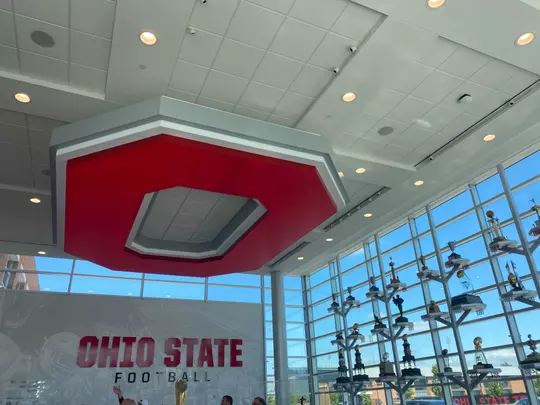
This pressure has led some programs to adjust responsibilities. Ohio State made the strategic decision to have Ryan Day reclaim offensive playcalling duties from Brian Hartline during the playoff, allowing Hartline to focus on wide receiver coaching while managing his South Florida transition. "Ultimately, it will be my decision of what calls go into the game," Day explained. "Kind of wanted to take that off of Brian's plate, as we head into the playoffs, because he has so much going on."
The Professional and Ethical Imperative
For many coaches, staying through the playoff isn't just a professional consideration—it's an ethical commitment. Oregon offensive coordinator Will Stein, who will become Kentucky's head coach after the playoff, expressed this sentiment clearly: "I would feel like a complete fraud if I left these guys throughout this playoff run, this opportunity in front of us, it would honestly be crazy." This dedication to current players and programs reflects the deep relationships built over seasons of work.
Lupoi echoed this commitment, stating, "I made it very clear: Over my dead body would I ever leave the individuals here. I want to finish what we started." This professional integrity, while creating personal and logistical challenges, demonstrates the coaching community's values regarding commitment and responsibility to their current teams.
Conclusion: Mastering the Balance
The phenomenon of coordinators balancing CFP responsibilities with new head coaching positions represents one of college football's most challenging professional scenarios. Success requires exceptional organizational skills, disciplined time management, and the ability to maintain intense focus amid competing priorities. As the College Football Playoff continues to expand and the coaching carousel maintains its annual rhythm, this balancing act will likely become more common, requiring both individual adaptation and institutional support to ensure coaches can honor their commitments while successfully transitioning to new opportunities.