Read on Global News
Strategic Oil Reserve Refills Face Long Road After Iran Peace Deal
As the Strait of Hormuz prepares to reopen following the Iran peace deal, experts warn it will take significant time to replenish global strategic oil reserves that have been heavily drawn down. The U.S. strategic petroleum reserves have fallen to their lowest level since 1983, raising concerns about future energy security. While reopening the strait could stabilize markets, the slow pace of maritime transport and infrastructure repairs means a prolonged recovery phase.
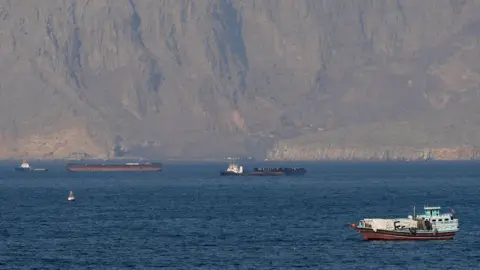
The anticipated reopening of the Strait of Hormuz following the Iran peace deal marks a critical turning point for global oil markets, but experts caution that the road to rebuilding strategic petroleum reserves (SPR) will be long and challenging. The Strait of Hormuz, a narrow waterway through which roughly 20% of the world's oil passes, has been a flashpoint in the conflict, and its closure has forced many nations to tap into their emergency stockpiles.
According to economist Marc Ercolao at TD Economics, the fundamental supply-demand dynamics of the oil market remain unchanged despite the deal. "The oil market is currently under-supplied," he explains. "It's going to take a lot of time to get that back." Strategic Petroleum Reserves are a key buffer against supply shocks, with the International Energy Agency requiring its 32 member countries to maintain emergency oil reserves equivalent to 90 days of net imports.
U.S. Strategic Reserves at Historic Lows
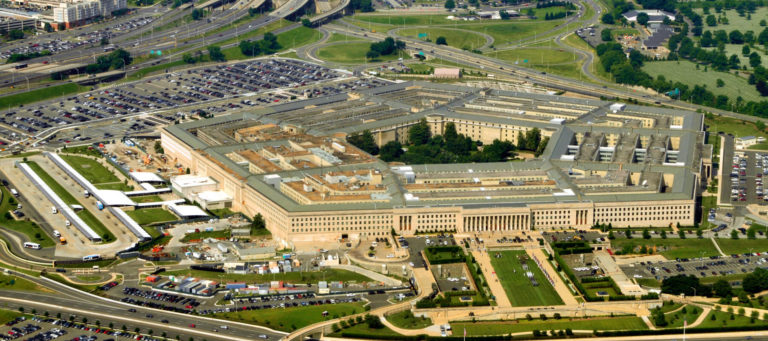
The United States, which holds the largest strategic reserve among IEA members, has seen its stockpiles dwindle sharply. Earlier this week, the U.S. Department of Energy reported that crude oil in the strategic petroleum reserves fell to 340.3 million barrels, the lowest level since 1983. This is less than half of the approximately 700 million barrel capacity of the U.S. reserve system.
A significant factor in this drawdown was the U.S. agreement in March to contribute about 170 million barrels of crude oil from its strategic reserves for an IEA-coordinated release of 400 million barrels along with other member countries. This action was taken to calm oil markets during the height of the crisis.
"In order to sustain ourselves over the last four months, we've been dipping into the reserves that we normally hold on to in case of emergencies. And that's exactly what they're there for. But the thing is that those reserves have started to slowly run out." - Moshe Lander, economics professor at Concordia University
Ercolao notes that while global strategic reserves have been drawn down significantly, they are not yet at alarming levels overall. However, the U.S. situation is more precarious. "At some point, these barrels will need to be refilled, so that the price relief we're seeing now could get tighter," he warns.
Refilling Will Take Months
Even with the reopening of the Strait of Hormuz, the refilling process faces significant logistical hurdles. Maritime shipping moves slowly, and infrastructure damaged during the conflict must be repaired before normal oil flows can resume. This means that a flood of oil will not immediately reach global markets. Until supply normalizes, demand for oil will likely remain high, potentially forcing countries to continue relying on their emergency reserves.
Canada is a notable exception among G7 nations: it is the only member that does not have a government-mandated strategic stockpile. This is primarily because Canada is a net exporter of crude oil, and it did not require emergency reserves during the crisis. Nonetheless, Conservative Leader Pierre Poilievre has previously called on Ottawa to establish a strategic reserve as an additional layer of insurance.
Risks of Low Reserves
Low strategic reserve levels leave the global economy vulnerable to future shocks, whether from a geopolitical crisis or a potential collapse of the fragile peace agreement. Ercolao points out that the U.S., which carries 40-50% of the entire IEA SPR program, has reserves at one of their lowest points relative to history. "The issue with that is that it leaves less buffer, less room to respond to future shocks," he says.
U.S. reserves are on track to reach even more critical levels by next month, coinciding with peak summer travel demand when fuel consumption for automotive and aviation transportation typically rises. While the U.S. could potentially sustain demand through increased domestic production and imports, the lack of an ample strategic buffer introduces heightened risk.
The recovery of global strategic oil reserves will be a gradual process, requiring several months of steady imports and repairs. Until then, markets and consumers may continue to face elevated prices and the lingering threat of supply disruptions.