US and Iranian Presidents Digitally Sign Peace Memorandum of Understanding
In a historic diplomatic breakthrough, US President Donald Trump and Iranian President Masoud Pezeshkian have digitally signed a memorandum of understanding (MoU) aimed at ending the conflict between the two nations. The agreement, mediated by Pakistan, establishes an immediate ceasefire and a 60-day timetable for negotiating a permanent settlement. The MoU includes commitments from the US to formulate a $300 billion reconstruction and economic development plan for Iran, while Iran reaffirms its pledge not to develop or acquire nuclear weapons. The deal also seeks to restore maritime security in the Strait of Hormuz. G7 leaders have welcomed the interim agreement, though analysts caution that the MoU remains fragile and faces potential uncertainties, particularly from Israel.
In an unprecedented move that marks a significant shift in international diplomacy, US President Donald Trump and Iranian President Masoud Pezeshkian have digitally signed a memorandum of understanding (MoU) aimed at ending the long-standing conflict between their two nations. The agreement, announced on Wednesday during the G7 summit in France, was facilitated by months of indirect negotiations mediated by Pakistan. Iran's Foreign Ministry spokesperson Esmaeil Baghaei confirmed the development early Thursday, describing it as a pivotal step toward de-escalation in the Middle East.

The 14-point MoU establishes an immediate ceasefire and a 60-day timetable for negotiating a permanent settlement. Under the terms, both sides pledge to respect each other's sovereignty and refrain from the use or threat of force, including an end to military operations on all fronts, such as in Lebanon. Pakistan's Prime Minister Shehbaz Sharif welcomed the agreement as a diplomatic breakthrough, congratulating both countries for choosing dialogue over confrontation. Iranian officials described the agreement as already in force and emphasized the need for prompt negotiations on a permanent resolution.
Key Provisions of the MoU
The MoU includes several critical commitments from both parties. The United States, together with regional partners, has committed to formulate a reconstruction and economic development plan worth at least $300 billion for Iran, with an implementation mechanism to be finalized during negotiations on a permanent agreement. An executive mechanism will oversee implementation before the final accord is submitted to the UN Security Council.

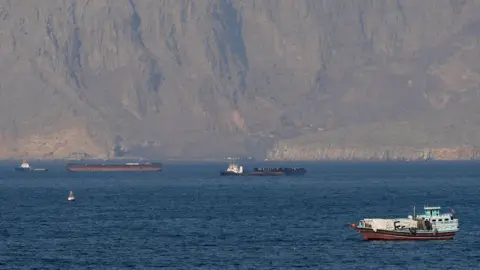
In return, Iran reaffirms that it will not develop or acquire nuclear weapons, and both sides agree to resolve the issue of Iran's enriched uranium stockpile through a mutually agreed mechanism under International Atomic Energy Agency (IAEA) supervision. The MoU also seeks to restore maritime security in the Strait of Hormuz, with Iran agreeing to facilitate safe passage of commercial shipping during the 60-day negotiation period and work toward restoring traffic to pre-war levels. The United States will begin lifting its naval blockade and halt interference with Iranian shipping. Discussions with Oman and other Gulf states on the future management of the strategic waterway are also envisaged.
International Reactions and Market Impact
G7 leaders, meeting at the summit in France, welcomed the interim deal while calling for an immediate ceasefire in Lebanon and stressing that follow-up negotiations must ensure Iran never acquires a nuclear weapon. US President Donald Trump, attending the summit, expressed hope that Iran would abide by the agreement and warned of renewed military action if Iran failed to honor its commitments, stating, "We're going to bomb the hell out of them if they violate the agreement." He added that negotiators from both countries would work toward a final agreement during the 60-day period, aiming to bring peace to the Middle East and ease pressure on global oil markets. Oil prices extended their decline on Wednesday as optimism over the reopening of the Strait of Hormuz eased supply disruption concerns, though prices later recovered more than 1% after Trump's warning.
Expert Analysis and Challenges Ahead
Wang Jin, assistant director of the Institute of Middle East Studies at Northwest University of China, described the MoU as both a confirmation of the ceasefire and a roadmap for future negotiations. He noted that the agreement formalizes the de facto ceasefire in place since April and establishes a framework for talks on Iran's nuclear program and sanctions relief. However, Wang cautioned that the MoU remains inherently fragile because it freezes the conflict rather than resolving it, with differences still remaining over the reopening of the Strait of Hormuz and Iran's nuclear program. He added that Israel, which did not participate in the negotiations and continues to maintain troops in southern Lebanon, could become the biggest source of uncertainty for the agreement's implementation.
The path forward remains complex, but the digital signing of this MoU by both presidents represents a historic diplomatic achievement that could reshape the geopolitical landscape of the Middle East. As both nations embark on the 60-day negotiation period, the international community watches closely, hoping for a lasting peace that addresses the core issues of nuclear proliferation, regional security, and economic recovery.