G7 Leaders Focus on Reopening Strait of Hormuz at 2026 Summit
At the 2026 G7 summit in France, French President Emmanuel Macron announced a working lunch dedicated to reopening the Strait of Hormuz. The summit also addressed the Ukraine war, with discussions between President Trump and President Zelenskyy. Leaders explored peaceful maritime security missions and alternative energy routes to stabilize global trade.
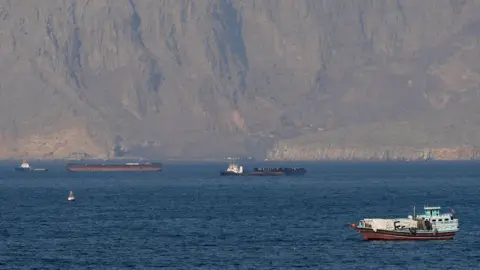
At the G7 summit in Evian-les-Bains, France, French President Emmanuel Macron stated that a Tuesday lunch summit would focus on the critical goal of reopening the Strait of Hormuz. This key waterway has been a focal point of international tension, and the summit aimed to find a swift, peaceful resolution. Macron emphasized the importance of a "solid, serious agreement" and noted that France and its Western partners are ready to act quickly to restore maritime security.

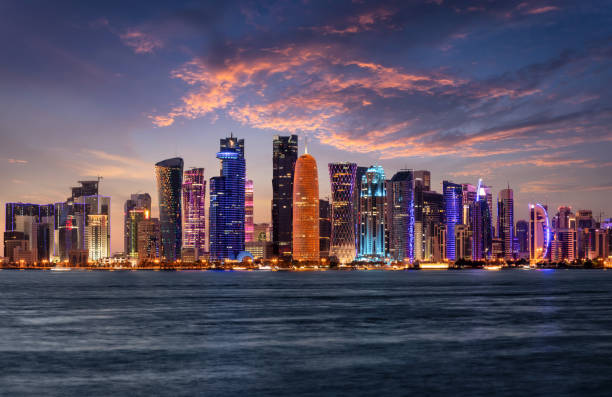
The working lunch brought together leaders from the United States, Canada, the United Kingdom, Germany, Italy, Japan, the European Union, and guest nations like Qatar and the UAE. Discussions included not only the reopening of the strait but also alternative energy routes that bypass the waterway. This strategy aims to reduce global dependence on this chokepoint for oil and gas shipments.
G7 Leaders Discuss Ukraine Peace and Air Defense
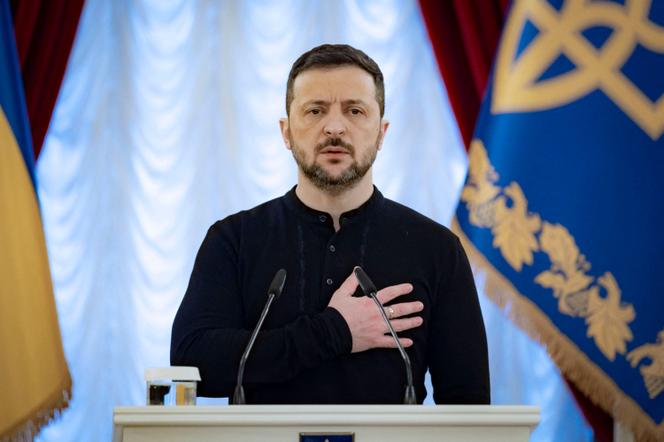
Alongside the Strait of Hormuz talks, the summit featured significant discussions on the war in Ukraine. US President Donald Trump met with Ukrainian President Volodymyr Zelenskyy on the sidelines. Trump stated that Russia should make a peace deal, saying he would "do whatever I can" to end the conflict. Zelenskyy emphasized the need for strengthened air defense and diplomacy, posting that "peace is needed." European leaders echoed this, with European Commission President Ursula von der Leyen noting that "Russia's fatigue is openly showing."
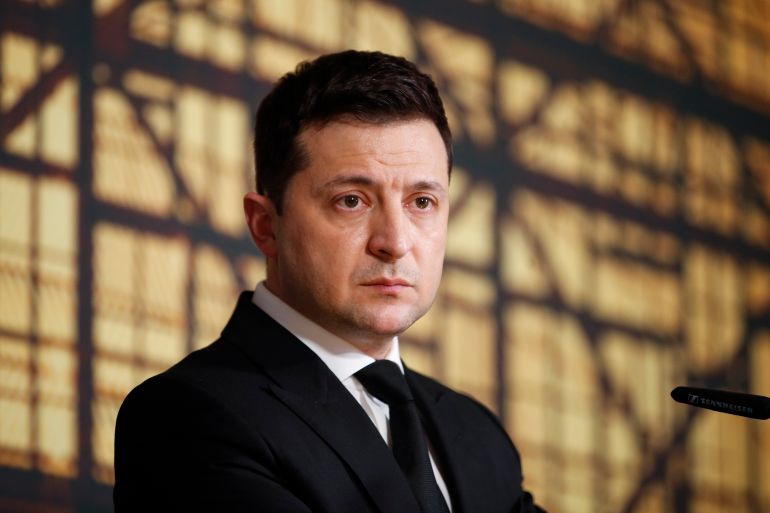
The G7 committed to providing more air defense missiles, production licenses, and a winter support package for Ukraine. The tone was described as constructive by diplomats, signaling a united front to pressure Russia. The discussions underscored that the situation in 2026 is different from previous years, with Ukraine bravely holding the frontline.
Strait of Hormuz Reopening and US-Iran Agreement
A key development at the summit was the announcement of a digitally signed agreement between the US and Iran. President Trump declared that the Strait of Hormuz would be "completely open" on Friday, following a formal signing in Geneva. The agreement opens a 60-day window for complex negotiations covering Iran's highly enriched uranium and the lifting of sanctions.
Macron and British leaders championed a mission to restore maritime security in the strait peacefully. The focus on alternative energy routes also highlighted efforts to stabilize global energy markets, which have been disrupted by the ongoing tensions. The summit marked a significant step toward de-escalation in a region critical to global trade.
The G7's commitment to swiftly reopening the waterway and supporting Ukraine demonstrates a coordinated approach to two major global challenges. As leaders return home, the focus will shift to implementing these agreements and ensuring lasting peace and security.