Read on bbc.com
Concerns Raised Over Participant Welfare in 'Married at First Sight Australia'
Recent allegations about the reality TV show 'Married at First Sight Australia' have drawn sharp criticism from media regulators in both Australia and the UK. The Australian Communications and Media Authority has described the claims, which suggest that contestants were not fully informed about their on-screen partners' histories of violence and drug convictions, as 'serious and disturbing.' The UK's Ofcom has echoed this sentiment, calling the reports 'deeply concerning.' The controversy has prompted Channel 4 to temporarily remove UK episodes from its streaming service and commission an external review into contributor welfare. This article examines the allegations, the regulatory responses, and the wider implications for reality television production standards.
The recent BBC News investigation into the popular reality television series Married at First Sight Australia has sparked significant controversy, drawing immediate and forceful responses from media regulators in both Australia and the United Kingdom. The core allegation is that several male contestants were allowed to participate in the show despite having prior convictions for, or facing allegations of, violence, assault, or drug use, and that their on-screen partners were not adequately informed of this background.

The Australian Communications and Media Authority (ACMA) was the first to respond, calling the allegations "serious and disturbing." In a statement to the BBC, an ACMA spokesperson acknowledged the gravity of the concerns raised by former participants. However, the regulator clarified that its jurisdiction is limited to investigating whether broadcast content complies with industry codes of practice. It noted that these codes do not contain specific provisions about the pre-screening treatment or welfare of program participants, suggesting that such concerns fall outside its direct regulatory remit and should be addressed by the broadcaster or other relevant authorities.
Ofcom's Stance and UK Implications
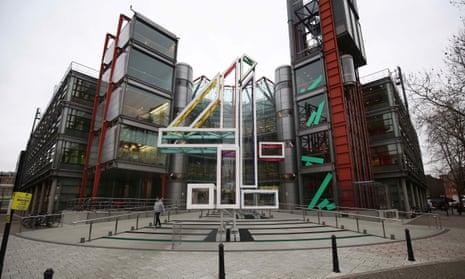
Across the globe, the UK's media regulator, Ofcom, also weighed in on the matter. An Ofcom spokesperson stated that the allegations are "deeply concerning." Ofcom's response is particularly relevant because the Australian version of the show is broadcast in the UK on Channel 4. The regulator has explicitly stated that it expects Channel 4 to take the findings of the BBC investigation into account in its ongoing internal reviews of contributor care. This places significant pressure on the UK broadcaster to demonstrate that it is taking robust steps to ensure participant safety, even for acquired programming.
Production Company and Broadcaster Response
The Australian broadcaster Channel 9 and production company Endemol Shine Australia, which are jointly responsible for the show, have defended their processes. In a joint statement, they asserted that they take their obligations regarding participant health, wellbeing, and safety "extremely seriously." They outlined a structured, multi-stage checking process that every participant must complete, which includes police and criminal-history checks in each declared country of residence, independent clinical psychological assessments, medical screening, legally binding disclosures via statutory declaration, and digital due diligence. Despite these stated protocols, the accounts from former contestants and the subsequent regulatory scrutiny suggest that the system may have significant gaps.