China's White Paper on Global Governance: A Push for a More Equitable World Order
A white paper released by the State Council Information Office highlights China's commitment to building a more just and equitable global governance system. The document, titled 'More Just and Equitable Global Governance: China's Principles, Proposals and Actions,' outlines China's role as a responsible major country championing multilateralism, peace, and shared development. It emphasizes China's dedication to peaceful development, the Global Security Initiative, and the Global Civilization Initiative, aiming to foster a community with a shared future for humanity. This article explores the key principles and actions proposed by China, including its support for the Global South and its efforts to promote sustainable security and cultural exchanges, positioning itself as a leader in global governance reform.
In a significant move to reshape the international order, the State Council Information Office of China released a white paper on Wednesday, June 17, 2026, titled "More Just and Equitable Global Governance: China's Principles, Proposals and Actions." This document articulates China's vision for a global governance system that is more inclusive, fair, and effective, positioning the nation as a proactive force in addressing contemporary global challenges. The white paper underscores China's commitment to building a community with a shared future for humanity and its leadership in practicing true multilateralism.

Core Principles of China's Global Governance Vision
The white paper lays out several fundamental principles that guide China's approach to global governance. Central to this vision is the concept of a community with a shared future for humanity, which calls for collective action to solve common problems such as climate change, pandemics, and security threats. China emphasizes the importance of peaceful development, a commitment that is enshrined in its Constitution, making it a major country with a strong record of maintaining peace and security. The document also champions the vision of common, comprehensive, cooperative, and sustainable security, which is operationalized through the Global Security Initiative.
True Multilateralism as a Core Tenet
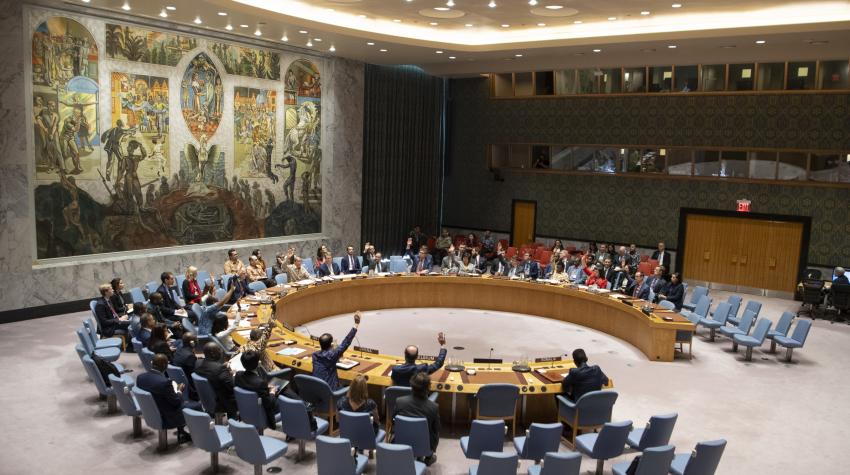
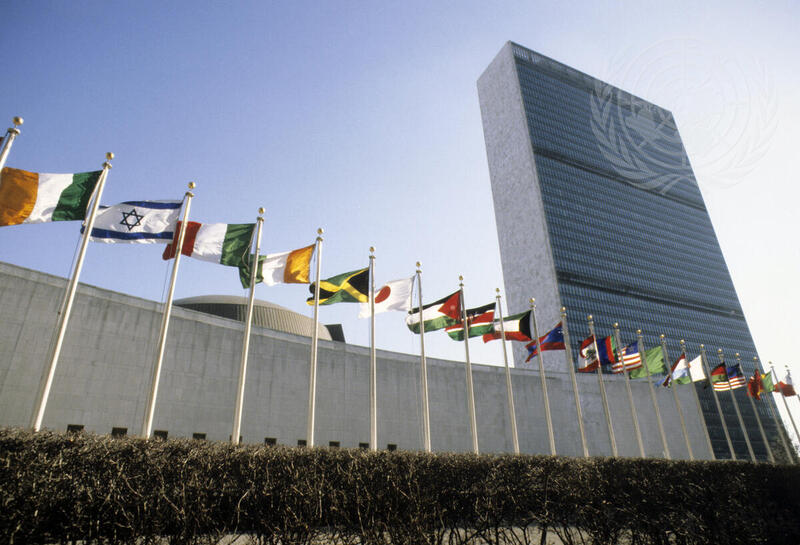
China advocates for and practices true multilateralism, emphasizing the need for all countries to work together within the framework of international law and the United Nations. The white paper states that China remains an active champion and strong proponent of multilateral cooperation, rejecting unilateralism and power politics. This approach is seen as essential for addressing global imbalances and ensuring that the voices of developing nations are heard in international forums.
Development and Shared Prosperity
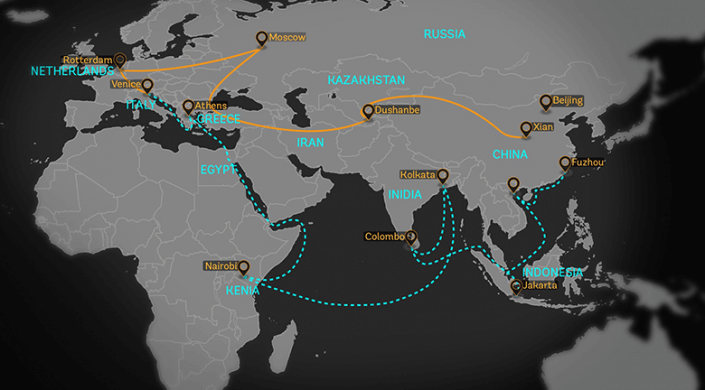
As the world's largest developing country, China positions its own modernization as a driver of global growth. The white paper highlights that through Chinese modernization, the country has provided new opportunities for the world, boosting the global drive for modernization. China upholds openness, win-win cooperation, inclusiveness, and shared benefits, emphasizing that its development is intertwined with the progress of all nations. The document also reaffirms China's identity as a member of the Global South, vowing to safeguard the common interests of developing countries in international affairs and lead the Global South in building strength through joint efforts.
Key Initiatives and Actions Proposed
The white paper details specific initiatives that China has put forward to realize its vision. These include the Global Security Initiative, which aims to address security challenges through dialogue and cooperation rather than confrontation. Additionally, the Global Civilization Initiative is promoted to foster deeper exchanges and understanding among different peoples, encouraging the integration of diverse cultures in a joint effort to advance human civilization. China's actions are framed as a contribution to lasting world peace and stability, as well as to the development and progress of human civilization.
Supporting the Global South
A significant portion of the white paper is dedicated to China's role in supporting the Global South. China has taken the lead in advocating for the interests of developing countries, calling for a more equitable distribution of resources and decision-making power in international institutions. By leading collective efforts, China aims to help the Global South build strength and influence, thereby rebalancing the global governance architecture that has traditionally favored developed nations.
Implications for Global Governance
China's white paper signals a clear intent to play a larger role in shaping global norms and institutions. By promoting its own models of security, development, and cultural exchange, China is offering alternative pathways to those currently dominant in the West. The document's emphasis on multilateralism and the Global South suggests that China seeks to build coalitions that can push for reforms in global governance, from the United Nations Security Council to international financial institutions. As the International community grapples with rising geopolitical tensions and collective action problems, China's proposals present both an opportunity for enhanced cooperation and a challenge to existing power structures.
In conclusion, the white paper "More Just and Equitable Global Governance" serves as a comprehensive statement of China's principles, proposals, and actions for a reformed global system. By championing true multilateralism, shared development, and sustainable security, China positions itself as a leading advocate for a more just and equitable world order. The document's focus on the Global South and its initiatives like the Global Civilization Initiative underline a vision where diversity and cooperation replace division and conflict. As the world watches, the implementation of these proposals will be critical in determining the future trajectory of international relations.