The Escalating Costs and Consequences of the Middle East Conflict
As the Middle East conflict enters its 12th day, Pentagon officials have disclosed staggering costs exceeding $11.3 billion in just the first six days of operations. The actual financial burden is expected to be far higher when accounting for military buildup and ongoing expenses. With no signs of de-escalation, the war continues to claim civilian lives, displace hundreds of thousands, disrupt global oil markets, and threaten international financial stability. This analysis examines the expanding economic and humanitarian toll of the conflict.
The ongoing Middle East conflict has entered a critical phase, with Pentagon officials revealing to Congress that the first six days of military operations cost American taxpayers more than $11.3 billion. This staggering figure represents only a fraction of the total financial burden, as it excludes numerous expenses tied to the military buildup preceding the conflict. As fighting shows no signs of abatement across multiple fronts, the economic and humanitarian consequences continue to escalate dramatically.

Financial Toll: Beyond the Initial $11.3 Billion
The $11.3 billion estimate disclosed in closed-door congressional briefings covers only the first six days of active combat operations. According to sources familiar with the briefing, this figure does not account for the substantial costs associated with military hardware and personnel buildup that occurred before the first strikes were launched. Lawmakers expect the final total to grow considerably as the Pentagon continues calculating expenses accumulated during the initial week of conflict.
This financial revelation comes amid mounting congressional questions about the operation's objectives, scope, and time frame. The disclosed amount represents a significantly higher munitions burn rate than previously estimated. While the Center for Strategic and International Studies had projected $3.7 billion for the first 100 hours of operations, the actual costs have far exceeded these projections. The initial bombardment utilized expensive weaponry including the AGM-154 glide bomb, which costs between $578,000 and $836,000 per unit.
Humanitarian Crisis: Mounting Casualties and Displacement
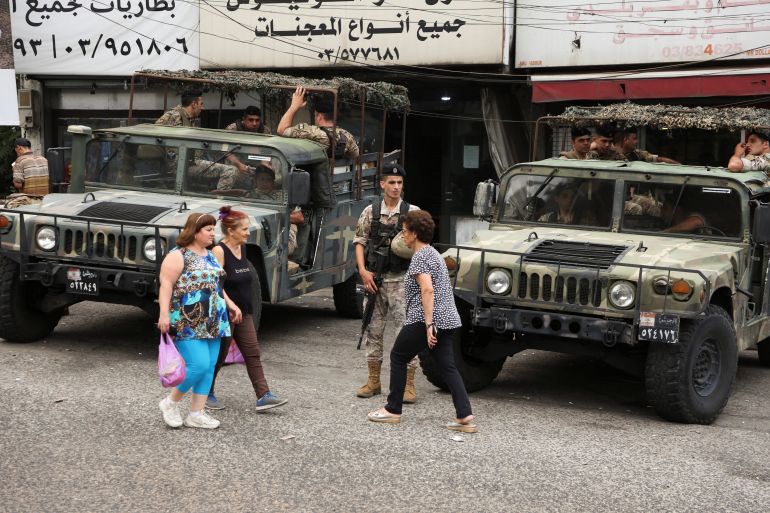
The human cost of the conflict continues to rise alarmingly. Iran's representative to the United Nations, Amir Saeed Iravani, reported to the Security Council that more than 1,348 civilians have been killed in Iran since fighting began. Lebanese officials have documented over 630 deaths and more than 1,500 injuries within their country, with the displacement crisis affecting approximately 800,000 people who have fled their homes.
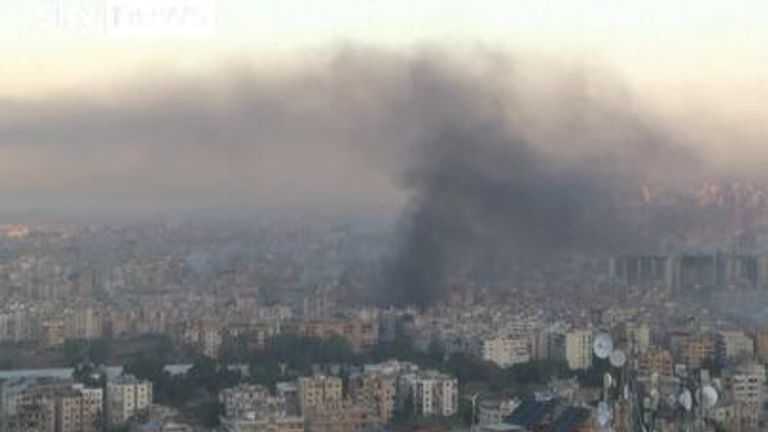
In Beirut, Israeli strikes have intensified, with waves of heavy bombardment targeting what Israel describes as Hezbollah infrastructure in the city's southern outskirts. These attacks have killed at least seven people in the Ramlet al Baida neighborhood and injured dozens more. The conflict has spread beyond traditional military targets, with strikes hitting apartment buildings in central Beirut and hotels housing displaced families.
Global Economic Impact: Oil Markets and Shipping Disruption
The conflict has triggered significant disruption to global energy markets, particularly through threats to the Strait of Hormuz—the vital waterway through which one-fifth of the world's oil transits. Despite coordinated efforts by more than 30 countries to release 400 million barrels from strategic oil reserves, prices continue to climb, with Brent crude approaching $100 per barrel.
Shipping security has deteriorated dramatically, with at least three cargo vessels attacked in or near the Strait of Hormuz. Iran has explicitly claimed responsibility for one of these strikes and warned that "any vessel that intends to pass must obtain permission" from Iranian authorities. This escalation follows U.S. Central Command's announcement that it had attacked 16 Iranian mine-laying vessels near the strategic waterway.
International Response and Diplomatic Developments
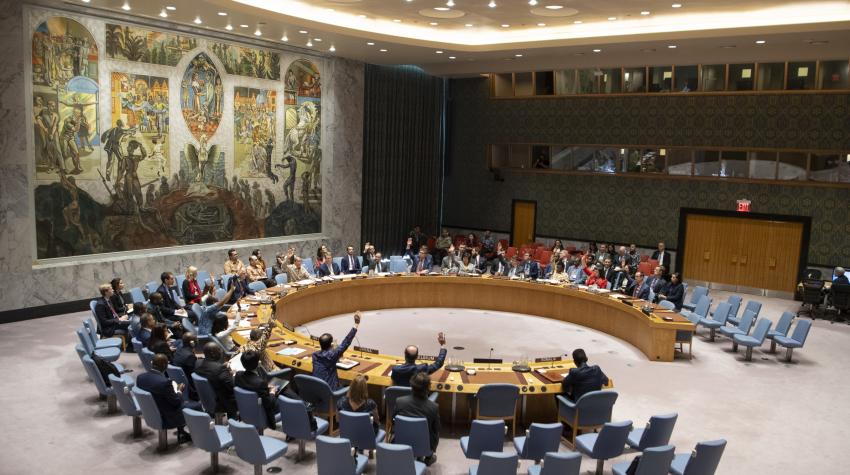
The United Nations Security Council witnessed significant diplomatic activity, with member states adopting a resolution condemning Iran's regional strikes by a vote of 13-0. The resolution, presented by Bahrain on behalf of six Gulf nations and Jordan, received support from 135 countries. China and Russia abstained from the vote, maintaining their historical support for Iran.
Meanwhile, Russia's alternative resolution calling for an end to military action failed to gain sufficient support, receiving only four votes in favor. The diplomatic divide reflects broader international tensions surrounding the conflict and differing perspectives on responsibility for the escalating violence.
Regional Security and Financial Sector Impacts
The conflict has prompted significant security measures across the Persian Gulf region. Major international banks including Citi, HSBC, and Standard Chartered have evacuated offices or advised staff to work remotely from Dubai and other financial centers. These precautions followed explicit threats from Iran's Islamic Revolutionary Guards Corps to target U.S. and Israeli banks in the region.
In California, state and local officials received FBI warnings about potential Iranian drone attacks targeting the state, though they emphasized there were no specific imminent threats. Governor Gavin Newsom acknowledged the warnings while stating that state officials remained in close communication with federal and local law enforcement agencies to maintain preparedness.
Political Dimensions and Congressional Scrutiny
The Trump administration faces growing scrutiny from congressional Democrats regarding the conflict's objectives and costs. Six Democratic senators have warned Senate Majority Leader John Thune that they will force votes on war powers resolutions if Defense Secretary Pete Hegseth and Secretary of State Marco Rubio do not testify publicly before Congress. Senator Jack Reed, the top Democrat on the Armed Services Committee, has demanded more detailed information about the war's costs from the Pentagon.
President Trump's public statements have presented conflicting messages about the conflict's duration and progress. While portraying victory as "just around the corner" and claiming that "our military has virtually destroyed Iran," he has also stated that only Tehran's "unconditional surrender" would end the war—a condition Iran shows no signs of accepting.
The conflict's expanding costs—both financial and humanitarian—underscore the complex challenges facing international efforts to achieve de-escalation. With military operations continuing unabated and economic consequences rippling through global markets, the need for diplomatic resolution becomes increasingly urgent even as prospects for immediate ceasefire appear distant.