Read on the Guardian
Drone Strike in Goma Kills French Aid Worker, Escalating Conflict in Eastern DRC
A deadly drone attack in the M23-occupied city of Goma has killed three people, including a French UNICEF aid worker, marking a dangerous escalation in the long-running conflict in eastern Democratic Republic of the Congo. The strike, which targeted a residential neighborhood, has drawn condemnation from international leaders and highlights the increasing use of drone warfare by both government and rebel forces. This article examines the attack's details, the M23 rebel group's accusations against the DRC government, and the broader implications for regional stability and humanitarian operations in one of Africa's most volatile regions.
A drone strike in the early hours of Wednesday morning has escalated tensions in the Democratic Republic of the Congo, killing three people including a French United Nations aid worker in the rebel-held city of Goma. The attack represents a significant intensification of the conflict in eastern DRC, shifting violence into densely populated urban areas and directly targeting humanitarian personnel. This incident underscores the complex geopolitical dynamics at play, involving rebel groups, regional governments, and international actors, while raising serious concerns about civilian protection and the future of peace efforts in the mineral-rich region.

The Goma Drone Attack: Details and Immediate Aftermath
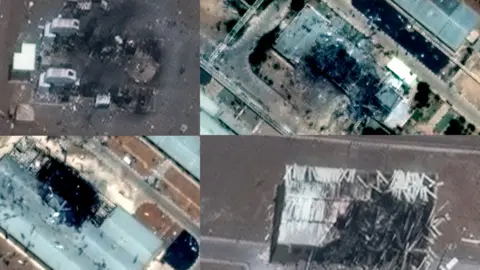
The strike occurred at approximately 4:00 AM local time in Himbi, an upmarket residential neighborhood of Goma. According to statements from the M23 rebel group, the attack resulted in three fatalities. The most prominent victim was identified as Karine Buisset, a French national working for UNICEF, the UN children's agency. Images circulated on social media following the attack showed emergency responders battling a fire on the upper floor of a two-story house with significant roof damage. Investigators from the Centre for Information Resilience, a nonprofit organization, analyzed the damage and concluded it appeared consistent with an airstrike, lending credibility to the drone attack claims.
Accusations and Denials: The Blame Game
Lawrence Kanyuka, spokesperson for the Congo River Alliance rebel coalition that includes M23, immediately condemned the attack and placed responsibility squarely on the government in Kinshasa. In a statement posted on X (formerly Twitter), Kanyuka accused the "terrorist regime of Kinshasa" of carrying out the drone attack "well beyond the frontlines" and described it as "an intolerable provocation targeting a densely populated urban area and deliberately endangering thousands of innocent civilians." As of the latest reports, the DRC government has not issued any official comment regarding the attack, and no other entity has claimed responsibility, creating an information vacuum that has allowed conflicting narratives to flourish.

International Response and Humanitarian Concerns
The international community has reacted with alarm to the attack, particularly due to the death of a humanitarian worker. French President Emmanuel Macron confirmed the death of the French aid worker on X, urging respect for international humanitarian law and calling for protection of personnel "on the ground and committed to saving lives." UNICEF issued a separate statement expressing devastation and outrage at the killing of their staff member, emphasizing that "courageous humanitarian workers must always be protected." This incident highlights the growing dangers faced by aid organizations operating in conflict zones where the distinction between military and civilian targets appears increasingly blurred.
Context: M23's Control of Goma and Regional Conflict
To understand the significance of this attack, one must consider Goma's recent history. The city, which serves as the capital of North Kivu province and the largest urban center in eastern DRC, fell under M23 occupation in January 2025 after deadly fighting that reportedly claimed up to 2,000 lives. The Rwanda-backed M23 is one of more than 100 armed groups operating in eastern DRC, a region rich in minerals including coltan, a crucial component in electronics. The group claims its objective is to protect Congolese Tutsi and other minorities from Hutu rebel groups who fled to DRC after participating in the 1994 Rwandan genocide. Since capturing territory, M23 has established parallel governance structures in areas under its control, creating a de facto administration that challenges state authority.
The Escalation of Drone Warfare
Wednesday's attack signals a troubling evolution in the conflict's methodology. According to data from the Armed Conflict Location & Event Data Project (Acled), a conflict monitoring organization, February saw 31 drone and airstrikes in DRC—the highest monthly figure recorded. Ladd Serwat, a senior Africa analyst at Acled, noted that this was the first such attack in Goma since M23 gained control of the city. The increasing use of drone technology represents a shift in tactical approach by both government and rebel forces. Just two weeks prior to the Goma incident, a DRC army drone attack in Rubaya, an M23-controlled coltan mining town, killed the group's military spokesperson, Willy Ngoma, along with several other leaders. Last week, M23 itself claimed responsibility for a drone attack targeting Kisangani airport in Tshopo province, demonstrating that both sides are employing this technology.

Broader Geopolitical Implications
The conflict in eastern DRC extends beyond national borders, involving regional powers and international interests. The United States brokered a peace agreement between the DRC and Rwandan governments in December, though fighting has continued despite this diplomatic effort. Last week, the US imposed sanctions on the Rwandan army and four of its senior officials, accusing them of "supporting, training, and fighting" alongside M23 rebels. These developments indicate ongoing international concern about Rwanda's role in the conflict, despite official denials from Kigali. The presence of valuable mineral resources in the region further complicates the situation, attracting both legitimate economic interest and illicit exploitation that fuels the conflict.
Conclusion: A Precarious Future for Eastern DRC
The drone attack in Goma represents more than an isolated incident of violence; it symbolizes the dangerous new phase of a protracted conflict that has devastated eastern DRC for decades. The targeting of a residential area and the death of an international aid worker mark significant escalations that threaten to further destabilize the region and complicate humanitarian operations. As drone warfare becomes increasingly commonplace, civilians face greater risks even in areas previously considered relatively safe. The international community faces urgent challenges in reviving peace efforts, protecting vulnerable populations, and addressing the root causes of conflict in this resource-rich but violence-plagued region. Without renewed diplomatic engagement and strengthened mechanisms for civilian protection, eastern DRC risks descending into even greater chaos with devastating human consequences.