
 Read on bbc.com
Putin's Diplomatic Gambit: Russia's Strategic Positioning in the Iran Conflict
As the US and Israel conduct strikes on Iran, Russian President Vladimir Putin is attempting to position himself as an international mediator, offering to broker a diplomatic resolution. This move, however, is complicated by Russia's ongoing war in Ukraine and its strategic partnership with Tehran. The Kremlin's primary motivations appear to be boosting its influence in the Middle East, maintaining favorable relations with the Trump administration, and capitalizing on the economic windfall from surging global oil prices, which directly benefits its war effort in Ukraine.
In the complex geopolitical landscape of the Middle East, a new player is attempting to cast itself in the role of peacemaker. Russian President Vladimir Putin has engaged in a series of diplomatic calls, positioning the Kremlin as a potential mediator in the escalating conflict between Iran, the United States, and Israel. This strategic pivot, as reported by the BBC, presents a stark contrast to Russia's actions in Eastern Europe and reveals a multifaceted agenda aimed at diplomatic influence, economic gain, and strategic advantage.

Russia's Contradictory Peacemaker Role
The Kremlin's recent diplomatic outreach, including telephone conversations between Putin and both the Iranian leadership and US President Donald Trump, is centered on a call for "a swift de-escalation and political resolution" of the Iran conflict. According to the BBC's analysis, this posture is a difficult sell on the international stage. The core of this credibility gap lies in Russia's own military aggression. In 2022, President Putin ordered a full-scale invasion of Ukraine, an act condemned by the UN General Assembly as a violation of the UN Charter. While advocating for peace in the Middle East, Russia continues its war of attrition against a sovereign European nation, creating a glaring contradiction in its foreign policy narrative.
Strategic Motivations Behind the Mediation Offer
Russia's offer to mediate is not driven by altruism but by a calculated set of strategic objectives. First, it represents a significant opportunity for Moscow to boost its diplomatic profile and influence in the Gulf and the broader Middle East. By presenting itself as an indispensable power capable of engaging all sides, Russia seeks to enhance its global standing. Second, the Kremlin is keen to maintain and deepen its relationship with Washington, particularly under the Trump administration. The Kremlin views positive ties with the US as beneficial to its strategic aims in Ukraine, which explains Putin's careful avoidance of public criticism of President Trump regarding the Iran war. As Trump noted after their call, "[Putin] wants to be helpful."

The Economic Windfall of Conflict
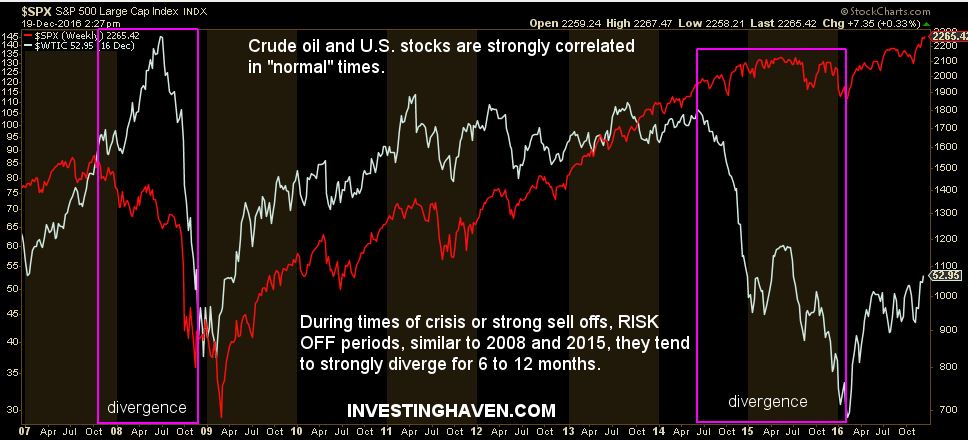
Beyond diplomacy, the Iran conflict presents tangible economic benefits for Russia, primarily through the global oil market. The recent surge in crude oil prices, which briefly approached $120 a barrel, provides a crucial financial boost to the Russian state. Russia's federal budget is calculated based on an oil export price of $59 per barrel. Prices remaining well above this threshold mean increased government revenues, which are directly funneled into funding the war in Ukraine. Furthermore, President Trump's suggestion that the US might waive oil-related sanctions "on some countries" to alleviate shortages caused by the conflict could lead to an even greater financial windfall for Moscow if Russian sanctions are eased. Ukrainian President Volodymyr Zelensky has warned that such a move would be a "serious blow" to Kyiv.
Domestic Narratives and the Iran Partnership
Within Russia, the state-aligned media reflects the Kremlin's dual-track approach. Outlets like Komsomolskaya Pravda have framed high oil prices as a potential reason for the West to cancel sanctions, expressing optimism about the economic upside. Meanwhile, other publications have been highly critical of US actions. The tabloid Moskovsky Komsomolets went so far as to declare, "The 'peace president' has simply lost his mind." Russia's relationship with Iran itself is defined by a "Comprehensive Strategic Partnership," with Putin recently reaffirming "unwavering support" for Tehran. However, this partnership is not a mutual defense treaty, allowing Moscow the flexibility to offer mediation without a formal military commitment to Iran's defense.
Conclusion: A Calculated Geopolitical Maneuver
President Putin's attempt to position Russia as a mediator in the Iran conflict is a sophisticated geopolitical maneuver with clear objectives. It is an effort to reclaim international relevance, secure economic advantages critical to its war effort, and manage its relationship with a key adversary, the United States. However, the strategy is undermined by the ongoing war in Ukraine, which severely damages Moscow's credibility as a peacemaker. The world is thus witnessing a Russian foreign policy that simultaneously seeks to extinguish fires in one region while fanning flames in another, all in pursuit of national advantage on the global stage.


