
 Read on PBS News
The Strait of Hormuz Closure: A Global Economic Shockwave
The effective closure of the Strait of Hormuz, a critical maritime chokepoint handling one-fifth of the world's oil supply, has triggered a significant shock to the global economy. Stemming from military conflict, this disruption has sent oil prices soaring, threatening to exacerbate inflation, strain central bank policies, and create economic winners and losers on the international stage. This article examines the immediate economic fallout, the geopolitical underpinnings of the crisis, and the potential pathways for global economic resilience in the face of this severe energy supply disruption.
The global economy operates on a delicate balance of energy flows, and few points on the map are as critical as the Strait of Hormuz. The recent effective closure of this narrow waterway, a direct consequence of escalating military conflict, has severed a vital artery of global commerce. Through this strait passes approximately 20 million barrels of oil daily—representing one-fifth of the world's total supply. This sudden constriction has not only sent oil prices on a volatile surge but has also delivered a profound shock to financial markets, national budgets, and central bank strategies worldwide, underscoring the fragile interdependence of the modern economic system.

The Immediate Economic Impact
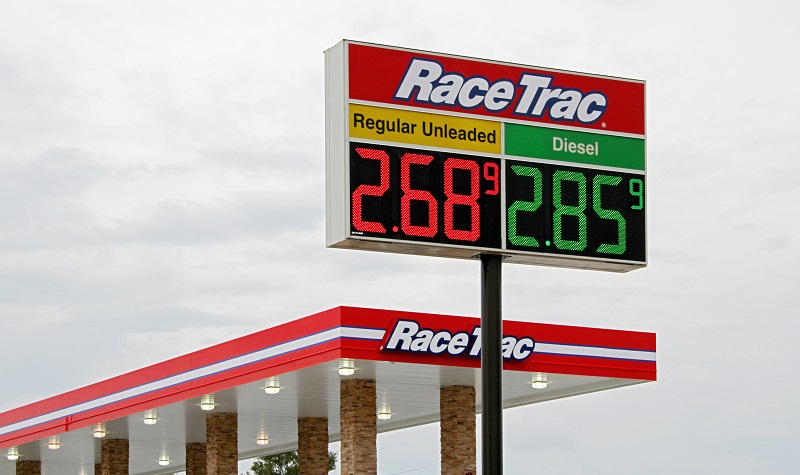
The most direct and visible impact of the Strait's closure has been on energy markets. According to a report from PBS NewsHour, oil prices skyrocketed from under $70 per barrel to a peak near $120 following the triggering events, before settling at higher levels. This price shock translates directly to consumers at the pump. In the United States, the average gasoline price leaped from just under $3 to $3.48 per gallon in a single week. The effect is even more acute in regions like Asia and Europe, which possess a higher dependency on Middle Eastern oil imports than the U.S.
Global Ripple Effects
The disruption extends far beyond gasoline. The Strait of Hormuz is also a key transit route for global fertilizer exports, with up to 30% of supplies like urea and ammonia passing through. The cutoff of these shipments raises costs for farmers globally, threatening to push food prices higher and potentially causing significant shortages in low-income countries where agricultural productivity is already challenged. Nations have begun implementing emergency measures; for instance, Thailand suspended overseas travel for civil servants, and the Philippines introduced a temporary four-day work week for some government agencies to conserve energy.
Geopolitical Origins and the "Nightmare Scenario"
The current crisis stems from a geopolitical escalation that many economists and policymakers had long feared. As noted by Maurice Obstfeld of the Peterson Institute for International Economics, the potential for Iran to close the Strait of Hormuz was the "nightmare scenario" that had historically deterred military action. This scenario is now a reality following a series of strikes. The closure represents a powerful asymmetric response, using geographic leverage to inflict widespread economic pain far beyond the immediate conflict zone. The uncertainty is compounded by questions surrounding the new Iranian leadership and the strategic objectives of the involved nations, making the duration of the crisis difficult to predict.
Winners, Losers, and Central Bank Dilemmas
The economic fallout is creating clear divisions. Energy-importing nations—including most of Europe, Japan, India, and China—face severe economic headwinds from higher import bills. Countries like Pakistan, which imports 40% of its energy, are in a particularly precarious position, potentially forcing their central banks to raise interest rates despite economic pain to combat imported inflation. Conversely, oil-producing nations outside the conflict zone, such as Norway, Russia, and Canada, stand to benefit from elevated prices without direct risk.
For major central banks like the U.S. Federal Reserve, the crisis presents a profound policy quandary. Higher energy prices are inherently inflationary, suggesting a need for tighter monetary policy (higher interest rates). Simultaneously, the same price shock acts as a tax on consumers and businesses, slowing economic growth and arguing for stimulus (lower rates). This tension forces policymakers to wrestle with the lessons of the 1970s, when central banks initially underestimated similar oil price shocks, allowing inflation to become entrenched.

Pathways to Resilience and Conclusion
Despite the severity of the shock, the global economy has demonstrated resilience against previous disruptions, such as the war in Ukraine and significant tariff impositions. Some economists express cautious optimism that if oil prices can stabilize in a lower range, the world may absorb the shock with less long-term damage than initially feared. However, this hinges critically on the reopening of the Strait of Hormuz, as no existing global oil capacity can fill the 20-million-barrel-per-day gap. The ultimate economic cost will be a function of the conflict's duration and the effectiveness of diplomatic or security efforts to restore the free flow of commerce.
In conclusion, the closure of the Strait of Hormuz is a stark reminder of the global economy's vulnerability to geopolitical flashpoints. It has triggered a cascade of effects: spiking energy and food prices, strained national budgets, and complicated monetary policy worldwide. While the economic system has shown a capacity to endure shocks, a swift resolution is essential to prevent a deeper, more prolonged global downturn. The crisis underscores the urgent need for diversified energy strategies and robust international frameworks to manage such critical chokepoints in an unstable world.


/bmi/media/media_files/2025/12/24/suta-sisters-2025-12-24-09-22-55.jpg)
