
 Read on France 24
Escalating Conflict: Israeli Strikes in Lebanon Push Death Toll Past 300
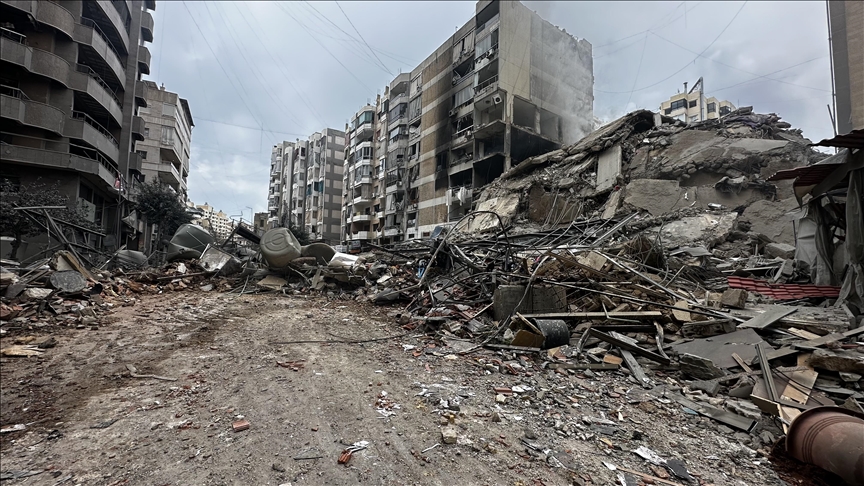
The conflict between Israel and Hezbollah in Lebanon has intensified, with twelve more people killed in overnight strikes on Sunday, March 8, 2026. This brings the total death toll in Lebanon to over 300 since hostilities escalated on February 28. The strikes, targeting Hezbollah strongholds, have resulted in extreme violence against civilians, triggering a massive displacement crisis with hundreds of thousands forced to flee their homes. This article examines the recent escalation, its humanitarian impact, and the regional context of the ongoing conflict.
The conflict along the Israel-Lebanon border has entered a dangerous new phase, marked by a significant escalation in violence and a devastating humanitarian toll. According to reports from France 24, twelve more people were killed in Lebanon by Israeli strikes on the morning of Sunday, March 8, 2026. This latest wave of violence has pushed the country's total death toll past 300 since the current round of intense fighting began on February 28. The situation underscores a grim reality where civilian populations are caught in the crossfire of a protracted regional conflict.
The Recent Escalation and Military Strategy
Israeli forces have intensified their campaign, conducting three separate overnight strikes that resulted in the recent casualties. The military operations are reportedly focused on targeting Hezbollah strongholds and infrastructure within Lebanon. This strategy, while aimed at degrading the capabilities of the Iran-backed militant group, has had severe and widespread consequences for the civilian population. The strikes represent a continuation of a campaign that the Israeli army has indicated could last for at least another two weeks, suggesting a sustained period of heightened military activity.
The context of this escalation is deeply rooted in the broader regional tensions. The conflict is not an isolated incident but part of a wider confrontation involving multiple actors. Reports indicate simultaneous events, such as US and Israeli strikes on oil sites in Iran, highlighting the interconnected nature of hostilities across the Middle East. This multi-front engagement complicates diplomatic efforts and raises the risk of a broader regional war.
Humanitarian Crisis and Civilian Impact
The most immediate and tragic consequence of the military escalation is the immense suffering inflicted on Lebanese civilians. The violence has forced hundreds of thousands of people to flee their homes, creating a massive internal displacement crisis across the country. Shelter systems are overwhelmed, with reports indicating that thousands are sleeping rough in the capital, Beirut, as facilities cannot accommodate the influx.
Civilian areas have become battlegrounds, leading to extreme violence and loss of life. The death toll surpassing 300 in just over a week illustrates the ferocity of the attacks. This displacement and destruction disrupt livelihoods, sever community ties, and create a generation of trauma. The targeting paradigm, which often blurs the lines between military objectives and civilian spaces, places non-combatants at grave risk, violating international humanitarian law principles of distinction and proportionality.
Regional Reactions and the Path Forward
The conflict has elicited various responses from regional actors. Hezbollah has retaliated, claiming rocket attacks on Israeli forces and border towns. Meanwhile, some communities within Lebanon, such as Christian villagers in the south, have defied Israeli evacuation orders, choosing to remain in their homes despite the extreme danger. This defiance highlights the complex social and political fabric of Lebanon, where national unity is often tested by external pressures and internal divisions.
The international community faces significant challenges in mediating a ceasefire. The involvement of global powers, evidenced by US participation in strikes on Iranian targets, further internationalizes the conflict. The critical question, as posed by regional analysts, is how long the war will last. With entrenched positions and high stakes for all involved parties, finding a diplomatic off-ramp appears increasingly difficult. The immediate priority must be to facilitate humanitarian access, protect civilians, and de-escalate military actions to prevent further loss of life and regional destabilization.


