Read on PBS News
Scrutiny Intensifies Over Pentagon's Follow-Up Strike on Alleged Drug Boat
The Pentagon faces mounting congressional and legal scrutiny following revelations that U.S. military commanders knew survivors remained after an initial attack on an alleged drug-trafficking vessel in the Caribbean Sea in September, yet proceeded with a second, fatal strike. Defense Secretary Pete Hegseth's defense of the action as emerging from the 'fog of war' has failed to satisfy lawmakers from both parties, who have launched investigations into the legality of the operations. The incident raises profound questions about the rules of engagement and the administration's legal justification for being in an 'armed conflict' with drug cartels without congressional authorization.
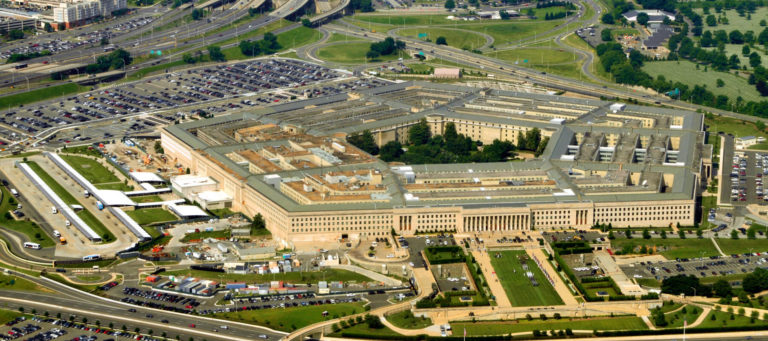
The U.S. Department of Defense is confronting a significant crisis of accountability and legality following a controversial military operation in the Caribbean. According to an Associated Press report, the Pentagon was aware that individuals survived an initial September attack on a boat suspected of drug trafficking but authorized a follow-up strike that resulted in their deaths. This revelation has triggered bipartisan congressional investigations and intense scrutiny of Defense Secretary Pete Hegseth's leadership and the legal frameworks governing such actions.
The Controversial Incident and Its Aftermath
The core of the controversy lies in the sequence of events in early September. U.S. forces first engaged a vessel allegedly involved in drug trafficking in the Caribbean Sea. Information obtained by the AP indicates that military commanders knew this initial attack did not eliminate all personnel on board. Despite this knowledge, a decision was made to execute a second strike. The administration's stated rationale, as reported by sources, was the operational necessity to sink the vessel, ultimately leading to the deaths of all 11 individuals aboard.
Mounting Legal and Congressional Scrutiny
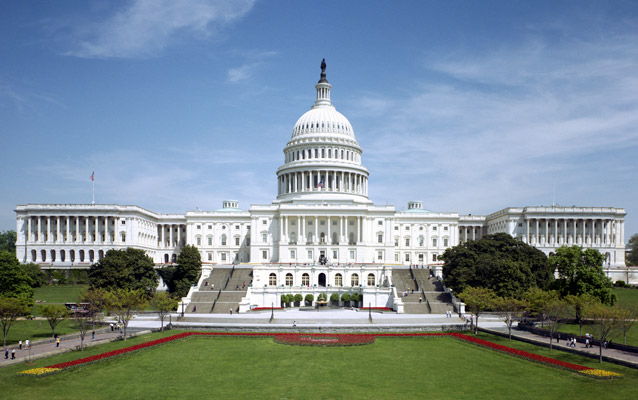
The disclosure has sparked a fierce reaction on Capitol Hill. Key details about the follow-on strike were reportedly not shared with lawmakers during initial classified briefings shortly after the incident, only emerging later. This lack of transparency has been described as "broadly unsatisfactory" to members of Congress overseeing national security. In a notable display of unified oversight, the Republican and Democratic leaders of both the House and Senate Armed Services committees have announced parallel investigations into the strikes.
Key Questions Under Investigation
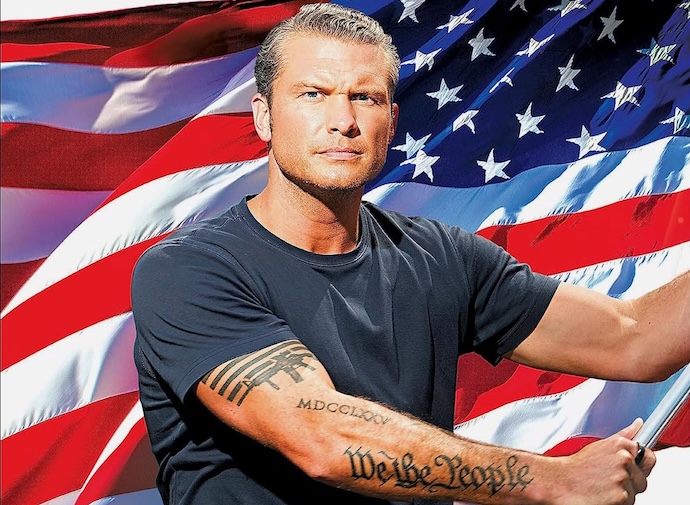
Congressional probes are focused on several critical issues. Primarily, investigators seek to determine the chain of command: who specifically ordered the strikes, and what level of involvement, if any, did Defense Secretary Hegseth have? Furthermore, lawmakers and legal experts are examining whether the second strike violated established laws of armed conflict and peacetime rules of engagement, particularly if it targeted survivors who may have been hors de combat.
The Administration's Defense and Legal Justification
In response to the growing criticism, Defense Secretary Hegseth has offered a defense rooted in the inherent chaos of military operations. He has characterized the decision-making environment as the "fog of war," stating he did not personally observe survivors but also acknowledged he "didn't stick around" for the mission's conclusion. Hegseth has publicly backed Admiral Frank "Mitch" Bradley, the commander he says ordered the second strike, asserting Bradley "made the right call" and acted within his authority.
This defense is underpinned by a broader, contentious legal stance from the Trump administration. Officials have declared that the United States is in a state of "armed conflict" with international drug cartels. This assertion is legally significant and hotly debated, as Congress has not passed any specific authorization for the use of military force (AUMF) against such entities, which are typically treated as criminal organizations rather than formal combatants under international law.
Implications and the Path Forward
The fallout from this incident extends beyond a single military engagement. It tests the boundaries of executive power, congressional oversight, and the application of international law in non-traditional conflicts. The scheduled classified briefing with Admiral Bradley represents a crucial next step for lawmakers seeking answers. The outcome of these investigations could influence future rules of engagement, accountability protocols within the Defense Department, and the legal parameters for confronting transnational criminal networks. The episode underscores the perennial tension between operational security, the lawful use of force, and the democratic requirement for transparency and accountability in military affairs.