Unforgotten Scars: Lives Shattered by Japan's Wartime Atrocities
The legacy of Imperial Japan's wartime atrocities continues to haunt survivors and their families across Asia. From the 'Death Railway' in Thailand to the Bataan Death March in the Philippines, and the ongoing struggle for justice in Korea, the wounds of history remain unhealed. This article explores the profound and lasting impact of these events on generations, drawing from a CGTN documentary that gives voice to those whose lives were shattered. It examines the historical context, the personal stories of survival, and the ongoing quest for recognition and compensation. The scars of war are not merely historical footnotes; they are living realities that shape identity, memory, and international relations. Understanding this legacy is crucial for fostering reconciliation and ensuring that such atrocities are never repeated.
The history of World War II in Asia is etched with the profound suffering inflicted by Imperial Japan. Across the continent, specific events have become synonymous with brutality and inhumanity. In Thailand, the construction of a railway under forced labor earned the grim moniker 'Death Railway.' In the Philippines, the forced march of tens of thousands of prisoners of war became the Bataan Death March. Meanwhile, on the Korean Peninsula, countless individuals and families continue their decades-long struggle for justice and compensation for forced labor and sexual slavery. The scars of these actions are not just historical; they remain deeply personal and painfully present for survivors and their descendants.

A recent documentary by CGTN, 'Unforgotten Scars: Lives Shattered by Japan's Wartime Atrocities', brings these painful memories to the forefront. The film speaks directly with survivors and their families, offering a platform for their narratives and examining how history, memory, and trauma are transmitted across generations. This article delves into the core themes of that documentary, exploring the human cost of imperialism and the enduring quest for acknowledgment.
The 'Death Railway' and Unimaginable Suffering in Thailand

The Thailand-Burma Railway, infamously known as the 'Death Railway,' stands as one of the most horrific symbols of Japan's wartime labor policies. Forced upon hundreds of thousands of Asian laborers and Allied prisoners of war, the project was driven by brutal conditions, disease, and starvation. The railway was constructed through treacherous jungle terrain, where workers faced extreme heat, constant physical abuse, and minimal medical care. The human cost was staggering, with an estimated 100,000 laborers and prisoners perishing during its construction. For the survivors, the physical and psychological trauma was permanent, leaving them with lifelong disabilities and haunting memories of cruelty.
The Bataan Death March
In the Philippines, the Bataan Death March represents a similar chapter of atrocity. After the surrender of American and Filipino forces in 1942, approximately 75,000 prisoners were forced to march over 100 kilometers under the scorching sun. Thousands died from starvation, dehydration, and outright execution. The march remains a deeply painful memory for the Philippines, a symbol of endurance and loss. Survivors who managed to live through it often carried the legacy of their experience for the rest of their lives, shaping families and communities around their stories of survival and resilience.
The Struggle for Justice in Korea
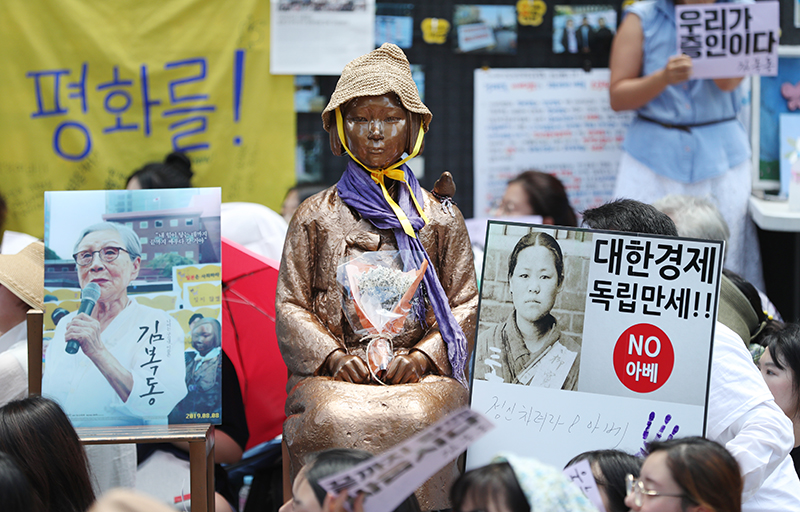
On the Korean Peninsula, the wounds of Japan's colonial occupation and wartime actions remain particularly raw. Here, the issue of forced labor and the system of military sexual slavery, euphemistically termed the 'comfort women' system, are central to the ongoing demand for justice. Generations of families have been affected by the economic and social exploitation of their ancestors. The struggle is not merely for financial compensation, but for a formal apology and historical recognition from the Japanese government. For many victims, now in their twilight years, the pursuit of justice has become a lifelong mission, a fight to ensure that their suffering is not forgotten nor denied.
The Intergenerational Impact
The documentary shows how the trauma of these events does not end with the victims. Children and grandchildren of survivors carry the psychological burden of their parents' and grandparents' experiences. Stories of brutality, secrecy, and shame are passed down, shaping identities and family dynamics. In some cases, the silence itself becomes a form of trauma, leaving later generations to piece together fragmented narratives from a painful past. This intergenerational transmission of memory complicates efforts toward closure and reconciliation, as the effects of the past continue to ripple through time.
Conclusion: The Urgency of Remembrance
The documentary 'Unforgotten Scars' serves as a crucial intervention in the politics of memory. It amplifies voices that have long been marginalized and challenges efforts to rewrite or ignore history. For the survivors, the chance to tell their story is both an act of defiance and a plea for understanding. As the last generation of direct witnesses fades away, the responsibility to remember and advocate for justice falls to the global community. Acknowledging these atrocities is not about dwelling on the past, but about building a future based on respect for human dignity. It is a call to action against the forces of militarism and imperialism that inflict such scars. The stories from Thailand, the Philippines, and Korea remind us that the pursuit of peace requires confronting the darkest chapters of history with honesty and empathy.