Read on France 24
Tragic B-52 Bomber Crash at Edwards Air Force Base Claims Eight Lives
A US B-52 Stratofortress bomber crashed and erupted into flames shortly after takeoff from Edwards Air Force Base in California on Monday, killing all eight people on board. The aircraft was conducting a routine test mission as part of a radar modernization program when the accident occurred, prompting an immediate safety investigation.
A devastating aviation accident unfolded on Monday at Edwards Air Force Base in California, where a US B-52 Stratofortress bomber crashed and burst into flames shortly after takeoff, resulting in the deaths of all eight individuals on board. The incident occurred around midday at the base located approximately 60 miles north of Los Angeles, sending shockwaves through the military community and prompting an immediate investigation into the cause of the tragedy.
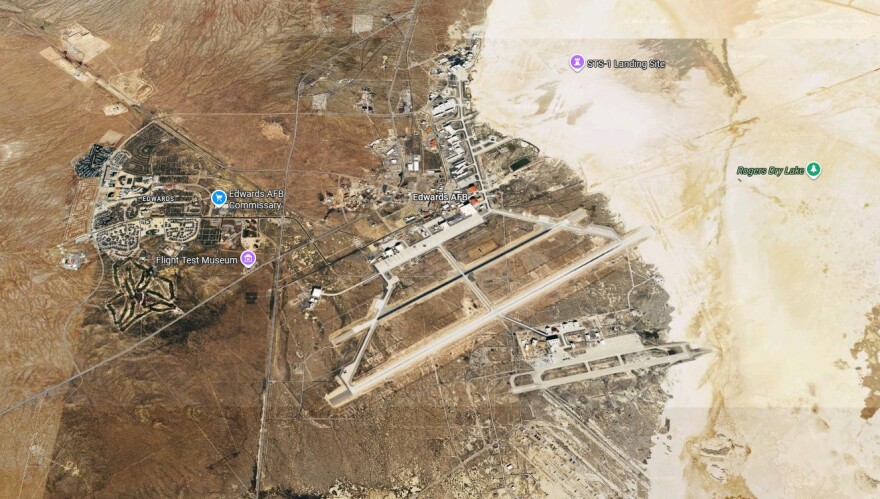
The aircraft was carrying a mixed crew of military personnel, government employees, and civilian contractors who were conducting a routine test sortie focused on modernizing the bomber's radar systems. According to Colonel James Hayes, the base commander, the B-52 took off normally but almost immediately after leaving the runway, it crashed and ignited into a massive fireball. Emergency services responded swiftly, but an assessment of the crash scene and video footage led officials to conclude that the accident was unrecoverable and unsurvivable for those on board.
The B-52 Stratofortress: A Legacy Aircraft
The B-52 Stratofortress is a long-range, heavy bomber that has been a cornerstone of the United States Air Force's strategic bombing capability since it first entered service in the 1950s. Designed originally for potential conflict with the Soviet Union, the aircraft has undergone continuous upgrades to remain relevant in modern warfare. With a wingspan of 185 feet and a length of 159 feet, the massive bomber is capable of carrying a wide range of weapons, including conventional bombs and cruise missiles, as well as nuclear payloads. Its combat range extends up to 8,800 miles, allowing it to project power across the globe.

A standard B-52 crew consists of five personnel: an aircraft commander, a pilot, a radar navigator, a navigator, and an electronic warfare officer. The aircraft has been deployed in numerous conflicts, including the Vietnam War, the Gulf War, operations in Iraq and Afghanistan, and more recently in Iran. Its longevity and adaptability have made it a symbol of American military aviation, but also mean that many of the aircraft in service are decades old, raising ongoing questions about fleet modernization and safety.
Immediate Response and Investigation
In the wake of the crash, the airfield at Edwards Air Force Base was immediately closed, and all inbound aircraft were diverted to other facilities. Colonel Hayes confirmed that a safety investigation board has been convened to determine the cause of the accident. While no immediate indications of a specific cause were released, investigators will examine a range of factors including mechanical failure, human error, and potential maintenance issues.
Identification and Notification of Victims
Officials stated that the identities of the deceased would not be released until all next of kin had been personally notified, a process that was expected to continue throughout the day. The mix of military and civilian personnel on board complicates the notification process, as it involves multiple chains of command and employer organizations. The base is coordinating with various agencies to ensure families receive timely and respectful notification.
Historical Context and Safety Record
The B-52 fleet has a long operational history, but accidents, while relatively rare, have occurred over the decades. The most recent major B-52 crash before this incident was in 2022 when a bomber crashed in North Dakota, though in that case the crew survived. The crash at Edwards represents one of the deadliest B-52 accidents in recent memory, given the total loss of life. The base itself, located in the Mojave Desert, has been a center for flight testing and research since World War II, and has seen its share of accidents involving experimental and test aircraft.

The crash site, described as a large charred patch of ground with almost nothing remaining of the aircraft, underscores the violence of the impact and subsequent fire. Investigators face the challenging task of reconstructing the sequence of events from limited physical evidence. The Air Force will likely also review maintenance records, pilot training logs, and the specific radar modernization program that was the focus of the test mission.
Broader Implications for Military Aviation
This tragedy raises important questions about the safety of aging military aircraft and the risks inherent in test missions. The B-52 is scheduled to remain in service for decades to come, with current plans to keep the fleet flying into the 2050s through continuous upgrades. However, each accident provides critical data that can lead to improved safety procedures, design modifications, or changes in operational protocols. The incident also highlights the sacrifices made by military and civilian personnel who work on and fly these complex machines.
As the investigation unfolds, the Air Force and the broader defense community will be watching closely for findings that could affect the entire B-52 fleet. For now, the focus remains on honoring the memory of the eight individuals who lost their lives and supporting their families through this difficult time. The crash serves as a somber reminder of the risks associated with military aviation and the dedication of those who serve in testing and operational roles.