Read on the Guardian
Sudan's Unending War: A Humanitarian Crisis Demands Global Action
As Sudan's catastrophic conflict enters its fourth year, a top UN official has condemned the international community's 'unacceptable' lack of urgency. The world's largest humanitarian crisis continues to worsen, with 14 million people displaced, tens of thousands missing, and millions facing famine. New reports reveal the systematic destruction of health infrastructure, the collapse of food systems, and an economy set back decades. This analysis examines the deepening suffering and the critical need for a political solution beyond mere humanitarian aid.
Three years of relentless conflict have transformed Sudan into the epicenter of the world's most severe humanitarian disaster. As the war enters its fourth year, the international response has been characterized by a disturbing lack of political urgency, a point starkly emphasized by the UN's top official in the country, Denise Brown. In an interview with The Guardian, Brown labeled the global efforts to end the war as "bloody unacceptable," criticizing a world that focuses intently on other crises while Sudan spirals further into chaos. This article delves into the multifaceted catastrophe unfolding in Sudan, examining the human cost, the systemic failures, and the imperative for a shift from humanitarian band-aids to genuine political solutions.

The Scale of Human Suffering
The statistics from Sudan paint a picture of almost incomprehensible human devastation. According to UN reports cited by The Guardian, the conflict has forcibly displaced a staggering 14 million Sudanese from their homes. This mass displacement represents one of the largest refugee and internally displaced person crises in modern history. Beyond those who have fled, tens of thousands of civilians are reported missing or have been forcibly disappeared, creating a silent agony for countless families. The International Committee of the Red Cross (ICRC) has officially recorded over 11,000 missing persons cases—a figure that increased by more than 40% in just the past year—with the true number believed to be exponentially higher.
The Collapse of Essential Systems
The war has systematically dismantled the country's vital support structures, pushing millions to the brink of survival.
Food Security and Imminent Famine
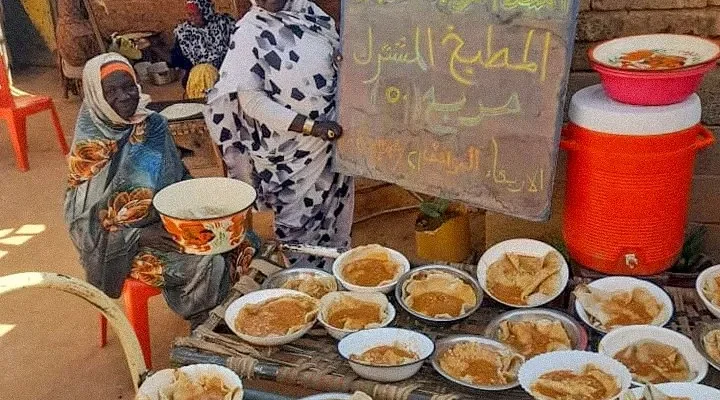
New research reveals a catastrophic food crisis. A study by Islamic Relief found that almost half of Sudan's vital community kitchens—a lifeline for millions—have shut down in the past six months. Further analysis by a coalition of aid agencies, including Action Against Hunger, indicates that millions of Sudanese are now surviving on just one meal a day. The deliberate disruption of agricultural heartlands, as highlighted by Mercy Corps, has crippled food production, creating the conditions for widespread famine.
Destruction of Healthcare
The healthcare system has been a deliberate target. The Sudanese American Physicians Association reports that 37% of hospitals are now "non-functional," with more than 200 documented attacks on health facilities since the war began. This systematic assault has left the population vulnerable to disease and without access to critical medical care, compounding the death toll from violence with deaths from preventable illnesses.
Economic and Long-Term Devastation
The conflict's impact extends far beyond immediate casualties, erasing decades of development. A joint assessment by the UN Development Programme and the Institute for Security Studies concluded that the war has set Sudan's economy back more than 30 years. The report offers a grim forecast: if the conflict continues until 2030, an additional 34 million people could be pushed into extreme deprivation. The fighting between the paramilitary Rapid Support Forces (RSF) and the Sudanese army shows no sign of abating, with both sides apparently believing in a military victory, perpetuating a cycle of violence and suffering.
The Failure of International Response
UN official Denise Brown's frustration underscores a critical failure. "Every single conversation on Sudan is about the humanitarian crisis," she stated. "How about focusing on finding a solution to end the war?" This sentiment highlights a global approach that has prioritized managing symptoms over addressing the root cause. Various peace initiatives have failed, and humanitarian funding is critically insufficient, with only 16% of this year's appeal met. Compounding this, the cost of delivering aid is skyrocketing; UNICEF's Sheldon Yett noted transport costs have increased by 30%, sometimes making delivery more expensive than the supplies themselves.

The Path Forward: From Aid to Action
The conference in Berlin represents another opportunity for the international community to change course. The focus must shift decisively from solely funding aid convoys to applying concerted diplomatic pressure on the warring parties. This requires:
- Elevating Sudan on the Diplomatic Agenda: Making the conflict a top-tier priority for global powers, akin to other international crises.
- Ensuring Humanitarian Access: Applying political leverage to guarantee safe passage for aid throughout the country.
- Supporting Accountability: Documenting atrocities and war crimes to pave the way for future justice and deterrence.
- Investing in Peacebuilding: Backing inclusive political processes that address the underlying grievances fueling the conflict.
The people of Sudan, like Fatima who searches for her missing stepson, cannot afford another year of global indifference masked as humanitarian concern. The world must match its rhetoric with relentless political action to end what the UN itself calls an "unacceptable" war.