Pakistan's Diplomatic Balancing Act: Mediating US-Iran Tensions Amid Trump's Threats
Pakistan has reaffirmed its commitment to mediating between the United States and Iran, despite significant obstacles and a volatile geopolitical climate. This pledge follows a stark threat from US President Donald Trump to bomb Iran 'back to the Stone Ages' if it rejects Washington's peace terms. Islamabad's Foreign Ministry, while acknowledging challenges, positions itself as a neutral intermediary trusted by both sides, leveraging regional diplomacy and a recent agreement allowing Pakistani ships through the Strait of Hormuz as a 'harbinger of peace.' This article examines Pakistan's complex role, the regional coalition supporting its efforts, and the delicate path forward for de-escalation.
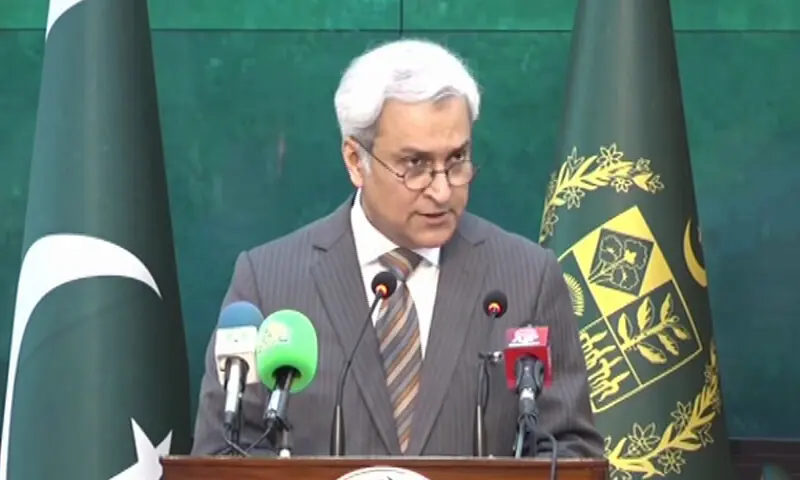
In a tense geopolitical landscape, Pakistan has declared its unwavering intention to continue mediating between the United States and Iran, even as US President Donald Trump escalates rhetoric with threats of devastating military action. The commitment, articulated by Pakistan's Foreign Ministry spokesperson Tahir Andrabi, underscores Islamabad's delicate role as a self-appointed peace broker amidst a conflict that has disrupted global energy markets and regional stability. This diplomatic push occurs against a backdrop of Trump's recent warning that he would bomb Iran "back to the Stone Ages" should it refuse Washington's proposed terms for ending the ongoing war, a conflict that erupted on February 28, 2026, involving the US, Israel, and Iran.
The Core of Pakistan's Mediation Effort
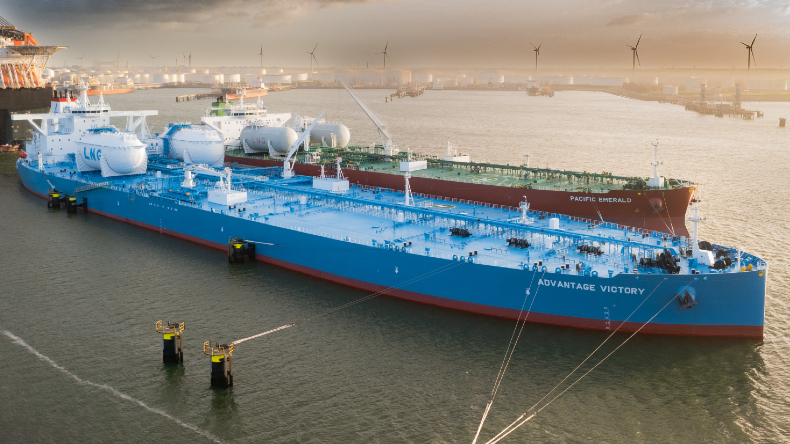
Pakistan's Foreign Office, while steadfast in its mission, openly acknowledges facing "obstacles" and "challenges" in its facilitation efforts. Spokesperson Tahir Andrabi emphasized that despite these hurdles, Pakistan will persist in creating conditions for "meaningful negotiations among relevant stakeholders." A critical foundation of this effort is the mutual confidence both Washington and Tehran reportedly place in Pakistan as a neutral intermediary. This trust is not merely rhetorical; it has yielded tangible confidence-building measures, most notably Iran's decision to permit 20 Pakistani-flagged vessels to transit the strategically vital Strait of Hormuz. Andrabi hailed this arrangement as "a harbinger of peace," a significant gesture given that Iran had largely blocked this crucial oil shipping lane following the outbreak of hostilities, triggering global energy price spikes and economic strain.
Building a Regional Coalition for Peace
Recognizing the limitations of unilateral diplomacy, Pakistan has actively constructed a regional coalition to bolster its mediation credentials. This multilateral approach was vividly demonstrated in late March 2026, when the foreign ministers of Saudi Arabia, Turkiye, and Egypt convened in Islamabad for talks aimed at de-escalation. This meeting followed an earlier gathering in Riyadh on March 19, signaling a coordinated regional push. The momentum continued with Deputy Prime Minister and Foreign Minister Ishaq Dar's subsequent visit to Beijing, undertaken despite a medical injury, underscoring the priority Pakistan places on its alliance with China. The visit yielded a joint five-point initiative with China calling for an immediate ceasefire, urgent diplomatic engagement, and the restoration of normal maritime traffic through the Strait of Hormuz.

The Offer to Host Direct Talks
A cornerstone of Pakistan's strategy is its formal offer to host direct negotiations between the United States and Iran. Following the Islamabad ministerial meeting, Foreign Minister Dar stated Pakistan was prepared to host such talks "in the coming days," reiterating that "Pakistan will be honoured to host and facilitate meaningful talks between the two sides for a comprehensive and lasting settlement." Andrabi confirmed this offer remains on the table as part of Pakistan's broader diplomatic outreach. However, he subtly acknowledged a key impediment: Iran's sovereign stance. Tehran has publicly denied engaging in direct negotiations with the US, framing the process as message-passing via Islamabad. Andrabi noted, "Iran, as a sovereign country, determines its own policies," highlighting the delicate balance Pakistan must maintain to avoid appearing to pressure either party.
Parallel Challenges: The Afghanistan Front
Even as it navigates the US-Iran quagmire, Pakistan faces parallel tensions on its western border with Afghanistan. In a significant development, Pakistan confirmed sending a delegation to Urumqi, China, for talks with Afghan representatives—the first substantive contact since Pakistan launched cross-border strikes, dubbed Operation Ghazab lil-Haq, in late February. Andrabi framed Pakistan's participation as a "reiteration of our core concerns," placing the onus on Kabul to take "visible and verifiable actions" against terrorist groups, specifically the Pakistan Taliban (TTP), which Islamabad alleges operates from Afghan soil. He confirmed that military operations, paused briefly for Eid, are continuing, indicating that Pakistan's security diplomacy is operating on multiple, complex fronts simultaneously.
Conclusion: A High-Stakes Diplomatic Tightrope
Pakistan's commitment to mediating the US-Iran war represents a high-stakes diplomatic endeavor fraught with risk and complexity. Positioned between Trump's bellicose threats and Iran's cautious sovereignty, Islamabad leverages its unique relationships and regional partnerships to advocate for dialogue. The allowing of Pakistani ship transit through Hormuz and the crafting of a joint initiative with China are pragmatic steps aimed at building trust and lowering temperatures. However, the path to "meaningful negotiations" remains uncertain, dependent on the willingness of the primary adversaries to move beyond posturing. Pakistan's role, while potentially pivotal for regional peace, also tests its diplomatic skill and resilience in an arena where the threat of regression to the "Stone Ages" is not merely metaphorical but a stated possibility from a world power.