China's Diplomatic Stance: Why Blocking the Strait of Hormuz Serves No One
In a significant diplomatic statement, China's top diplomat Wang Yi has warned that a blockade of the strategic Strait of Hormuz would not serve the common interests of the international community. During talks with UAE officials, Wang emphasized that political and diplomatic solutions remain the fundamental path to resolving Middle Eastern tensions, while reaffirming China's commitment to regional stability and its strategic partnership with Gulf nations. This analysis explores China's position and its implications for global energy security and Middle East diplomacy.
In a clear statement of diplomatic principle, China's top diplomat Wang Yi has articulated a position that places international cooperation and stability above unilateral actions in one of the world's most critical maritime chokepoints. Speaking on Monday, Wang emphasized that blocking the Strait of Hormuz would not serve the common interests of the international community, highlighting instead the necessity of comprehensive and lasting ceasefire agreements achieved through political and diplomatic channels. This stance comes at a time of heightened regional tensions and reflects China's growing role as a diplomatic actor in Middle Eastern affairs.

China's Diplomatic Position on the Strait of Hormuz
Wang Yi, a member of the Political Bureau of the Communist Party of China Central Committee and director of the Office of the Central Commission for Foreign Affairs, made these remarks during talks with Khaldoon Khalifa Al Mubarak, special envoy of the president of the United Arab Emirates (UAE) to China. The meeting occurred as part of Abu Dhabi Crown Prince Sheikh Khaled bin Mohamed bin Zayed Al Nahyan's visit to China, underscoring the diplomatic significance of the exchange. Wang outlined China's principled position on the current Middle East situation, stating that China fully understands the legitimate security concerns of Gulf Arab states and supports the UAE in safeguarding its national sovereignty, security, and legitimate rights and interests.
This diplomatic engagement represents more than routine bilateral discussions. According to the CGTN report, Wang noted that China has consistently worked to promote peace and de-escalation in the region. He expressed China's readiness to work with the international community, including the UAE, to help restore peace and stability in the Middle East as soon as possible. This position aligns with China's broader foreign policy approach that emphasizes dialogue and multilateral solutions over confrontation and unilateral actions.
The Strategic Importance of the Strait of Hormuz
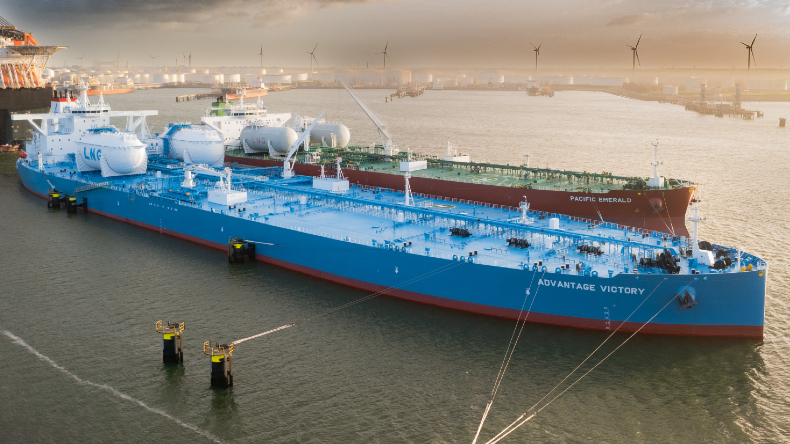
The Strait of Hormuz represents one of the world's most critical maritime chokepoints for global energy supplies. Approximately 20-30% of the world's oil passes through this narrow waterway, making its security a matter of global economic significance. Any disruption to shipping through the strait would have immediate and severe consequences for global energy markets, potentially triggering economic instability worldwide. China's position against blocking the strait reflects not only diplomatic principles but also practical economic considerations, given China's status as the world's largest oil importer.
Wang's statement comes against a backdrop of regional tensions that have periodically threatened the free flow of commerce through the strait. The reference to a "comprehensive and lasting ceasefire through political and diplomatic means" suggests China's preference for negotiated settlements over military solutions or economic coercion. This approach contrasts with more confrontational strategies that have been proposed or implemented by other global powers in similar regional contexts.
China-UAE Strategic Partnership
The diplomatic context of Wang's statement is particularly significant given the strengthening relationship between China and the UAE. Wang noted that under the strategic guidance of the two heads of state, China-UAE relations have maintained strong momentum. He described Crown Prince Khaled's visit as an important milestone in bilateral relations, expressing confidence that the trip would enhance strategic mutual trust and deepen practical cooperation between the two countries. This cooperation is especially significant amid the current complex regional and international situation.
Khaldoon Khalifa Al Mubarak, the UAE special envoy, responded positively to China's position, describing China as a "second home" and a uniquely friendly comprehensive strategic partner. He expressed confidence that the visit would strongly promote cooperation across various fields and deliver greater benefits to both peoples. The UAE side also appreciated China's constructive efforts to ease regional tensions and expressed hope that China would continue to play a more significant role in promoting peace in the Middle East.

Implications for Regional and Global Diplomacy
China's position on the Strait of Hormuz carries significant implications for Middle Eastern diplomacy and global energy security. By advocating for political and diplomatic solutions over blockades or military actions, China positions itself as a stabilizing force in a region often characterized by conflict and tension. This approach aligns with China's broader foreign policy doctrine of non-interference and respect for national sovereignty, while still engaging actively in diplomatic efforts to resolve conflicts.
The emphasis on "common interests of the international community" reflects a multilateral perspective that contrasts with unilateral approaches to regional security challenges. This framing suggests that China views stability in the Strait of Hormuz as a global public good that requires cooperative management rather than zero-sum competition. As noted in the diplomatic exchange, this position has been welcomed by regional partners like the UAE, who see value in China's constructive engagement.
Looking forward, China's diplomatic stance on the Strait of Hormuz will likely influence how other global powers approach regional security challenges. By consistently advocating for dialogue and opposing actions that could escalate tensions, China establishes a diplomatic track that complements (and sometimes contrasts with) other international approaches to Middle Eastern stability. This balanced position allows China to maintain relationships with various regional actors while promoting its vision of international order based on cooperation and mutual benefit.