UK-Led Coalition Seeks Diplomatic Path to Reopen Strait of Hormuz Amid Global Crisis
UK Prime Minister Keir Starmer is championing non-military solutions to resolve the critical gridlock in the Strait of Hormuz, a vital global shipping artery choked off by the US-Israel war with Iran. Leading a coalition of 40 nations, including France, Germany, and the UAE, the UK aims to forge a united diplomatic front to ensure safe passage and stabilize soaring energy prices, explicitly ruling out forceful intervention while the conflict rages.
The global economy faces a severe choke point as the Strait of Hormuz, a passage for nearly a third of the world's seaborne oil, remains effectively closed due to regional hostilities. In response, United Kingdom Prime Minister Keir Starmer has convened a significant international coalition, urging a focus on diplomatic and non-military measures to alleviate the crisis. This strategic pivot away from confrontation underscores the complex geopolitical and security challenges of reopening one of the world's most critical maritime corridors without escalating the ongoing conflict.
The Coalition's Diplomatic Mandate
Foreign ministers from 40 countries participated in a virtual meeting chaired by UK Foreign Secretary Yvette Cooper, marking a concerted effort to address what she termed Iran's "recklessness" in blockading the waterway. As reported by Al Jazeera, Cooper stated that Iran had "hijack[ed] an international shipping route to hold the global economy hostage." The participating nations, which include major European powers, Canada, Japan, and Gulf states like the United Arab Emirates, issued a joint statement demanding Iran cease its blockade and pledged to "contribute to appropriate efforts to ensure safe passage." Notably, the United States was not in attendance, following President Donald Trump's remarks that securing the waterway is not America's responsibility.
Prime Minister Starmer's Non-Military Stance
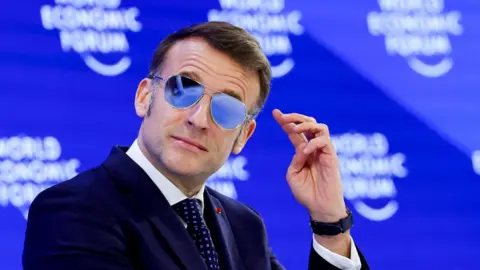
At the heart of the UK-led initiative is a firm rejection of military intervention while active combat continues. Prime Minister Starmer has been "very explicit" about pursuing non-military solutions, with no interest in direct involvement in the war. This position is shared by key European allies. French President Emmanuel Macron publicly stated that a military operation to force open the strait is "unrealistic," citing the significant time it would take and the exposure to coastal threats from Iran's Islamic Revolutionary Guard Corps. Instead, Macron has suggested direct dialogue with Iran as the preferable path forward.

Practical Challenges and Next Steps
The coalition's primary challenge is translating diplomatic will into practical, secure outcomes. The immediate threat is tangible; since the war ignited on February 28, there have been 23 direct attacks on commercial vessels in the Gulf, resulting in 11 crew member fatalities. Iran maintains that the strait is only closed to vessels from enemy countries and their allies, allowing "non-hostile" ships to pass. The next phase involves British military planners from the Ministry of Defence meeting with coalition partners to discuss post-conflict security arrangements for shipping. As Starmer acknowledged, resuming traffic "will not be easy" and will require a blend of "military strength and diplomatic activity" in partnership with the maritime industry.
Broader Geopolitical Implications
This coalition effort also serves a wider strategic purpose: demonstrating European capability and resolve in managing its own security challenges. With President Trump disparaging European allies and threatening a US withdrawal from NATO, the UK and France are signaling a willingness to lead on critical international security issues. The diverse composition of the coalition—spanning Western, Gulf, African, and other nations—is a deliberate show of broad-based concern and a search for a legitimized, multilateral response to the crisis, rather than a unilateral or purely Western-led action.
In conclusion, the UK-led diplomatic push represents a cautious, pragmatic approach to a high-stakes global problem. By explicitly ruling out force and assembling a wide coalition, Keir Starmer's government is attempting to chart a course that pressures Iran, reassures global markets, and lays the groundwork for practical security cooperation, all while avoiding a dangerous military escalation in an already volatile region. The success of this initiative will depend on sustained diplomatic engagement and the difficult technical and security planning set to follow.