Djibouti's President Ismail Omar Guelleh Claims Victory in 2026 Election
Incumbent President Ismail Omar Guelleh has declared victory in Djibouti's 2026 presidential election via his official X account. This preliminary claim, if confirmed by official results, would secure a historic sixth term for the leader who has governed the strategically vital Horn of Africa nation since 1999. The election outcome is closely watched due to Djibouti's significant geopolitical role as host to major international military bases and a key maritime trade route.
Incumbent President Ismail Omar Guelleh has claimed victory in Djibouti's presidential election, announcing the news on his official X (formerly Twitter) account on Saturday morning. This preliminary declaration sets the stage for what would be a historic sixth term for the leader, extending his tenure over the strategically crucial Horn of Africa nation into a third decade. The election, held on April 10, 2026, represents a pivotal moment for Djibouti's political future and its role in regional stability.

Election Context and Preliminary Results
According to reports from CGTN, President Guelleh cast his vote at the City Hall polling station in the Mouloud district of Djibouti. His social media announcement came shortly after polls closed, though official results from the electoral commission are still pending at the time of this report. The claim of victory follows a standard electoral process in the country, where the incumbent has consistently secured re-election since first taking office in 1999 following the retirement of his uncle, Hassan Gouled Aptidon.
Significance of a Sixth Term
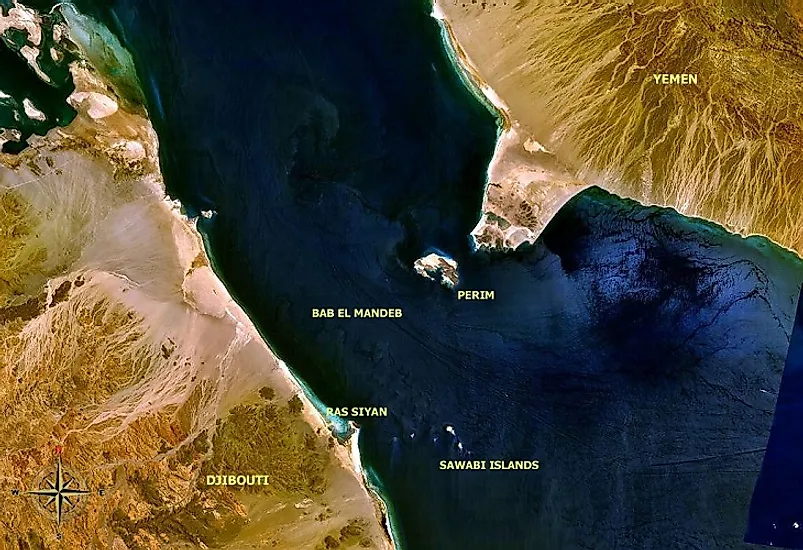
A confirmed victory would mark an unprecedented political milestone in Djibouti. President Guelleh's potential sixth term underscores his enduring political influence and the stability of his ruling Union for the Presidential Majority (UMP) coalition. His tenure has been characterized by significant infrastructure development, particularly in port and logistics sectors, and the maintenance of Djibouti's strategic alliances. The country has transformed under his leadership into a key logistics hub for the region, leveraging its position along the vital Bab el-Mandeb Strait.
Djibouti's Geopolitical Importance
The election outcome carries weight far beyond Djibouti's borders. The nation hosts military bases for several global powers, including the United States, China, France, Japan, and Italy, making it a unique focal point of international military presence in Africa. Its ports serve as critical gateways for trade entering and exiting the Suez Canal, and it is a primary access point to the landlocked Ethiopian market. Political continuity under President Guelleh is therefore closely monitored by international partners and investors with strategic interests in the Horn of Africa's security and trade corridors.
Looking Ahead
While the victory claim has been made, the electoral process will proceed with the formal certification of results. The focus will now shift to the official announcement from Djibouti's electoral body and the subsequent reactions from opposition groups and the international community. President Guelleh's next term, if officially confirmed, will likely continue to focus on economic development projects, managing great-power competition on its soil, and addressing domestic challenges such as unemployment and poverty. The stability of Djibouti remains a cornerstone for regional security and economic integration in East Africa.