Burkina Faso Conflict: HRW Reports Over 1,800 Civilian Deaths Since 2023
A new report from Human Rights Watch details horrific atrocities in Burkina Faso, where more than 1,800 civilians have been killed since January 2023. The findings reveal war crimes and crimes against humanity committed by both government forces and armed groups, with ethnic cleansing targeting the Fulani community. The military government under President Ibrahim Traoré faces allegations of direct responsibility for over 1,200 civilian deaths, while displacement has reached catastrophic levels with an estimated two million people forced from their homes.
The conflict in Burkina Faso has reached a devastating new threshold of violence against civilians, according to a comprehensive investigation by Human Rights Watch. The New York-based watchdog's report, titled "None Can Run Away," presents evidence of systematic atrocities that amount to war crimes and crimes against humanity, with government forces and allied militias responsible for the majority of documented killings. This crisis represents one of the most severe humanitarian emergencies in West Africa, yet it has received insufficient global attention despite the staggering human cost.
Scale of the Humanitarian Crisis
Human Rights Watch conducted extensive research between January 2023 and August 2025, interviewing more than 450 people across Burkina Faso and neighboring countries. The organization's findings reveal a conflict characterized by extreme violence against civilians, with all parties to the conflict committing grave violations of international humanitarian law. The research methodology included in-person interviews, phone conversations, and sophisticated open-source analysis using satellite imagery, audiovisual footage, and official documents to verify 57 separate incidents of abuse.
The death toll documented by HRW stands at 1,837 civilians killed during the research period, with government forces and their allied militias responsible for more than 1,200 of these deaths. This represents a shocking escalation of violence in a country that has experienced increasing instability since 2015. The United Nations estimates that approximately two million people have been displaced since the conflict began, creating one of Africa's most severe displacement crises.
Government Forces and Allied Militias
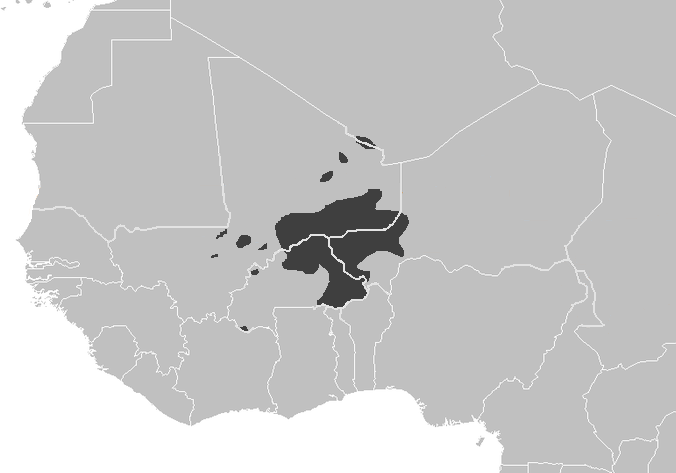
The Burkinabe military, under the leadership of President Ibrahim Traoré, has been directly implicated in numerous atrocities according to the HRW report. The military government, which seized power in a September 2022 coup, has employed increasingly brutal tactics in its fight against armed groups, often targeting civilian populations suspected of supporting insurgents. HRW has identified President Traoré and six senior military commanders as potentially liable for grave abuses under the principle of command responsibility.
Allied militias known as the Volunteers for the Defence of the Homeland (VDPs) have also committed widespread atrocities with apparent impunity. These government-backed forces have been responsible for numerous attacks on civilian populations, particularly targeting the Fulani ethnic group. HRW's investigation found that government forces and VDPs have committed war crimes including wilful killing, attacks on civilians and civilian objects, pillage and looting, and forced displacement.
Ethnic Cleansing of Fulani Communities
A particularly disturbing pattern documented in the report is the systematic targeting of the Fulani ethnic group by government forces and allied militias. The military government has accused Fulani communities of supporting armed groups, leading to what HRW describes as ethnic cleansing of entire villages. This targeting represents a dangerous escalation of the conflict along ethnic lines, potentially laying the groundwork for even more severe human rights violations.
One of the deadliest incidents documented occurred in December 2023, when Burkinabe military forces and allied militias killed more than 400 civilians in approximately 16 villages near the northern town of Djibo. The scale and systematic nature of these killings suggest a coordinated campaign rather than isolated incidents of violence. HRW researchers documented numerous similar attacks throughout the country, with Fulani communities bearing the brunt of the violence.
Armed Group Atrocities
While government forces bear responsibility for the majority of documented civilian deaths, armed groups have also committed horrific abuses. The al-Qaeda-linked Jama'at Nusrat al‑Islam wa al‑Muslimin (JNIM) has been responsible for numerous attacks on civilian populations, including one particularly deadly incident on August 24, 2024, in the central town of Barsalogho. In that attack, JNIM fighters killed at least 133 civilians, including dozens of children, in what survivors described as an extermination campaign.
HRW has identified Iyad Ag Ghaly, the JNIM supreme leader who is wanted by the International Criminal Court for alleged crimes in Mali, and four JNIM commanders as potentially liable for abuses in Burkina Faso. The organization's findings demonstrate that all parties to the conflict have engaged in systematic violence against civilians, creating an environment of extreme insecurity and fear for Burkina Faso's civilian population.
International Response and Accountability
The HRW report calls for immediate international action to address the crisis in Burkina Faso. Philippe Bolopion, executive director of HRW, emphasized the disconnect between the scale of atrocities and the global response, stating, "The scale of atrocities taking place in Burkina Faso is mind-boggling, as is the lack of global attention to this crisis." The organization has called for investigations into President Traoré and senior military commanders, as well as JNIM leaders, for their potential command responsibility for grave abuses.
HRW has also criticized the military government for curtailing reporting and restricting access to conflict zones, making it difficult for international organizations to document abuses and provide humanitarian assistance. This lack of transparency has contributed to the crisis receiving insufficient attention from the international community, despite the catastrophic human toll.
Conclusion and Path Forward
The situation in Burkina Faso represents a profound humanitarian crisis that demands urgent international attention and action. With over 1,800 civilians killed since 2023 and two million people displaced, the conflict has created suffering on a massive scale. All parties to the conflict must immediately cease attacks on civilians and comply with international humanitarian law. The international community must increase pressure on the Burkinabe government to allow independent investigations and humanitarian access, while supporting accountability mechanisms for those responsible for atrocities. Only through sustained international engagement and pressure can the cycle of violence be broken and justice pursued for the victims of this devastating conflict.