The Essential Guide to Choosing the Best Ski Helmet
Ski helmets have evolved from bulky, unfashionable gear to essential, high-tech safety equipment worn by nearly all skiers and snowboarders. Modern designs offer superior protection, comfort, and style, with options for every ability and budget. This guide explores the critical factors in selecting the right helmet, from understanding safety certifications like MIPS to ensuring a perfect fit. We'll cover key features worth the investment and provide insights from expert testing to help you make an informed decision for your next trip to the slopes.
For skiers and snowboarders, a helmet is no longer optional gear—it's an essential piece of safety equipment that has become standard on slopes worldwide. Over the past two decades, helmet usage has skyrocketed from 25 percent during the 2002–03 season to 90 percent in 2021–22, with 100 percent of children under 9 now wearing them. This dramatic shift reflects both increased safety awareness and significant improvements in helmet technology and design. Modern ski helmets combine advanced impact protection with comfort and style, making them an indispensable item for anyone hitting the mountains.
Why Ski Helmets Are Non-Negotiable
While ski helmets are not mandatory for adults in most American resorts, many states and ski areas require them for children under 14 and anyone under 18 taking lessons. The choice for adults, however, remains personal—but the data makes a compelling case. According to a University of Washington study cited by WIRED, helmets provide a 63 to 88 percent reduction in the risk of head and brain injury across all age groups. Accidents can happen to anyone, regardless of experience level, from hidden obstacles in powder to unexpected ice patches or collisions with other skiers.
The evolution of helmet design has addressed many early adopters' complaints. Gone are the heavy, uncomfortable designs of the 1990s. Today's helmets are lightweight, well-ventilated, and often more effective at temperature regulation than traditional beanies. When properly fitted, you'll barely notice you're wearing one, yet you'll benefit from potentially life-saving protection.
Understanding Safety Technology: MIPS and Beyond
One of the most significant advancements in helmet safety is MIPS (Multi-directional Impact Protection System). This technology addresses rotational or angular impacts by allowing the head to move slightly within the helmet during a crash. The system features a low-friction plastic layer beneath the padding that permits 10 to 15 millimeters of movement, mimicking the brain's natural protection mechanisms.
While safety-certified non-MIPS helmets still provide excellent protection against severe brain injury, MIPS offers additional peace of mind for angled impacts. The technology typically adds $20 to $40 to a helmet's price, but many experts consider it a worthwhile investment given the ski and cycling industries' widespread adoption. Beyond MIPS, manufacturers have developed proprietary systems like Atomic's AMID protection, which uses eight floating foam pads that move independently during impact.

Key Features Worth the Investment
Safety Certifications
Always choose helmets meeting recognized safety standards such as ASTM F2040 (US), CE EN 1077 (EU), or Snell RS-98. These certifications ensure the helmet has passed rigorous testing for impact resistance and penetration. Never substitute a skateboard or cycling helmet unless you've verified it meets equivalent winter sports safety standards.
Proper Fit and Adjustment Systems
A helmet's effectiveness depends entirely on proper fit. WIRED consulted accessories buyer Jen Streby from outdoor retailer Evo for expert fitting advice. Measure your head circumference one inch above your eyebrows and ears, using centimeters since most helmets use metric sizing. The helmet should feel snug without pressure points, and your skin should move with the helmet during a shake test.
Modern adjustment systems like Boa 360-fit or dial-based mechanisms allow for precise customization even while wearing gloves. Some premium models feature Fidlock magnetic buckles that are significantly easier to operate with bulky gloves than traditional clips.
Ventilation and Temperature Control
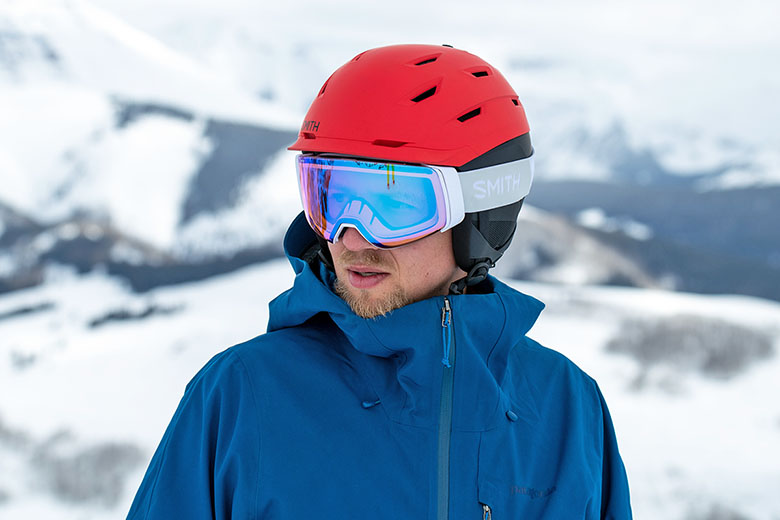
Proper ventilation serves dual purposes: preventing overheating and reducing goggle fogging. The best helmets feature adjustable vents that you can open or close based on conditions and exertion level. Smith's Vantage 2 MIPS, for example, offers 40 vents with 28 adjustable openings for precise temperature management.
Selecting the Right Helmet for Your Needs
The market offers specialized helmets for different skiing styles and preferences. For resort skiing, look for balanced designs with good ventilation and goggle compatibility. Backcountry enthusiasts might prioritize ultra-lightweight options like the Mammut Haute Route Helmet, which weighs just 13.4 ounces and is triple-certified for skiing, climbing, and cycling.
Families should note that children's helmets like the Smith Optics Glide Jr. MIPS offer the same advanced features as adult models in smaller sizes with bright colors for easy slope visibility. For those who value integrated technology, audio-compatible helmets can accommodate systems like the Bluetooth Aleck Nunchucks, though users should exercise caution regarding situational awareness.
Expert Testing and Recommendations
WIRED's testing methodology combines decades of winter sports gear experience with real-world slope testing. Reviewers evaluate fit, comfort, features, and compatibility with various goggles across multiple mountain conditions. While impact protection technology isn't personally tested (thankfully), all recommended helmets meet or exceed the strictest safety standards.
Recent testing highlights several standout models across categories. The Revi Gear Challenger impressed with its ESA Shock Absorption System and exceptional comfort, while the Sweet Protection Daymaker MIPS offers remarkable value at $160. For those seeking integrated solutions, the Giro Orbit Spherical MIPS solves glasses-wearers' fogging problems with its innovative shield design.
Maintenance and Care Considerations
Proper maintenance extends your helmet's life and ensures consistent performance. Most quality helmets feature removable liners that can be machine-washed according to manufacturer instructions—a crucial consideration given how quickly padding can develop odors after intense skiing. Store your helmet in its included travel pouch to prevent scratches, particularly on matte finishes like those found on the Atomic Four AMID Pro.
Regularly inspect your helmet for cracks, dents, or compromised foam. Most manufacturers recommend replacing helmets after any significant impact, even if no damage is visible, as the protective materials may have been compromised.
Conclusion: Safety Meets Performance
The modern ski helmet represents a perfect convergence of safety engineering and practical design. With options ranging from budget-friendly models under $100 to premium designs around $300, there's a helmet for every skier and snowboarder. The critical factors remain consistent: proper fit, recognized safety certifications, and features that match your skiing style and conditions.
Investing in a quality helmet is investing in your mountain enjoyment and safety. The peace of mind that comes with knowing you're protected allows you to focus on the joy of skiing—carving turns, exploring new terrain, and creating mountain memories that last a lifetime. As helmet technology continues to advance, we can expect even lighter, more protective, and more comfortable designs that make this essential piece of gear something you'll want to wear every time you hit the slopes.