NATO Responds to Russian Airspace Violation Over Estonia with Italian F-35 Jets
Italian Air Force F-35 fighter jets, deployed as part of NATO's Baltic Air Policing Mission, responded to a recent Russian airspace violation over Estonia. The incident highlights ongoing tensions in the region and NATO's commitment to collective defense. This professional analysis examines the strategic implications and operational response to the airspace incursion.
In a significant demonstration of NATO's collective defense capabilities, Italian Air Force F-35 fighter jets responded to a Russian airspace violation over Estonian territory. The incident, which occurred during the NATO Baltic Air Policing Mission deployment, underscores the ongoing geopolitical tensions in the Baltic region and the alliance's readiness to protect member states' sovereignty.
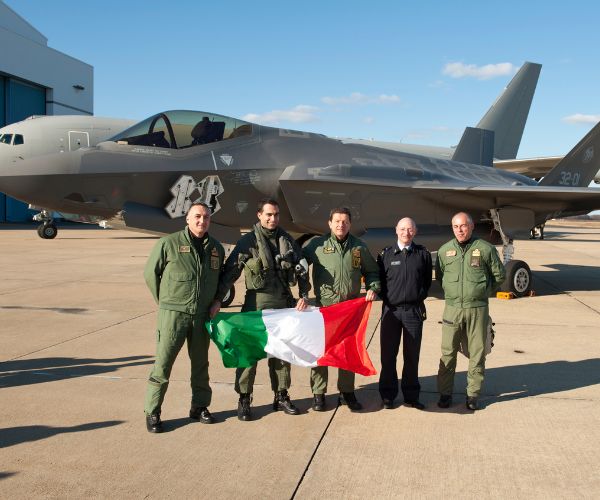
NATO Baltic Air Policing Mission
The NATO Baltic Air Policing Mission represents a crucial component of the alliance's collective defense strategy in Eastern Europe. Established to enhance regional security, this mission involves rotational deployments of fighter aircraft from NATO member states to protect the airspace of Baltic nations. The Italian Air Force's current participation with advanced F-35 aircraft demonstrates the commitment to maintaining air superiority and rapid response capabilities in the region.
Incident Response and Strategic Implications
The response to the airspace violation involved immediate interception procedures by Italian F-35 jets. This type of rapid response capability is essential for maintaining territorial integrity and sending a clear message about NATO's readiness. The incident occurred against the backdrop of ongoing regional tensions, particularly following Russia's actions in Ukraine. Such airspace violations, while not uncommon, carry significant diplomatic and strategic weight in the current geopolitical climate.

Regional Security Considerations
The Baltic region remains a focal point for NATO's defense planning, given its strategic location and historical context. Estonia, as a NATO member since 2004, benefits from the alliance's Article 5 collective defense guarantee. The Italian F-35 deployment represents the latest in a series of enhanced security measures implemented by NATO to deter potential aggression and maintain stability in Eastern Europe.
Operational Capabilities and Technology
The use of F-35 fighter jets in this response highlights the technological advantage NATO maintains in regional air policing operations. The F-35's advanced sensor capabilities, stealth characteristics, and interoperability make it particularly well-suited for air defense missions. This incident demonstrates how modern fighter aircraft contribute to effective border monitoring and rapid response to potential threats.

Diplomatic and Political Context
Airspace violations in the Baltic region often carry significant diplomatic implications. Such incidents typically prompt formal protests through diplomatic channels and discussions within NATO leadership. The response to this particular violation reflects the alliance's consistent approach to maintaining airspace integrity while avoiding unnecessary escalation. The professional handling of such incidents remains crucial for regional stability.
Future Preparedness and Alliance Coordination
This incident reinforces the importance of continued NATO coordination and readiness in the Baltic region. The alliance's air policing mission will likely continue to evolve with changing security dynamics, potentially involving increased deployments or enhanced technological capabilities. The effective response by Italian forces demonstrates the value of multinational cooperation and shared responsibility for regional security.
The Italian F-35 response to the Russian airspace violation over Estonia represents another chapter in NATO's ongoing commitment to collective defense. While such incidents test regional stability, they also demonstrate the alliance's capability to respond professionally and effectively. As geopolitical tensions continue, NATO's air policing mission remains a critical component of regional security architecture, ensuring member states' sovereignty while maintaining deterrence against potential aggression.