Read on PBS News
Inside Iran: The Human Cost of War and a Fragile Ceasefire
While international headlines focus on geopolitical maneuvers in the Strait of Hormuz and ceasefire negotiations, the voices of ordinary Iranians remain largely unheard. This article explores the complex realities for civilians living under a 41-day internet blackout, facing threats from both external military actions and internal regime repression. Through insights from Iran expert Holly Dagres, we examine how the conflict has reshaped Iranian perspectives on the U.S., Israel, and their own government, revealing a population caught between fear, confusion, and a desperate desire for change.
In the complex calculus of international conflict, the human dimension often becomes obscured by strategic discussions and geopolitical posturing. Recent weeks have seen intense focus on the fragile U.S.-Iran ceasefire, escalating tensions in the critical Strait of Hormuz, and Israel's continued military operations in Lebanon. Yet beneath these headline-grabbing developments lies a more fundamental story: the daily reality for millions of Iranians who have borne the brunt of military strikes and now face an uncertain future under a repressive regime. This article seeks to amplify those voices, drawing on firsthand accounts and expert analysis to understand what this conflict means for the people living through it.

The Information Blackout and Daily Realities
For 41 consecutive days, Iranians have lived under a state-imposed internet shutdown, creating what expert Holly Dagres describes as an information vacuum where only anecdotal reports filter out to the world. This digital isolation has compounded the confusion and fear experienced by civilians who receive conflicting messages about their safety and future. According to Dagres, who maintains contact through various channels, many Iranians express profound confusion about the rapidly shifting situation—from the unprecedented violence of January to presidential promises of assistance, followed by ceasefire negotiations with the very regime many citizens hoped would be ousted.
The psychological toll of this uncertainty cannot be overstated. Families have reportedly been saying emotional goodbyes, uncertain whether they would survive impending attacks or maintain contact with loved ones abroad. This atmosphere of dread was particularly acute following alarming presidential rhetoric that suggested the potential destruction of Iranian civilization, prompting some residents to flee Tehran and others to stockpile essential supplies like food, water, and emergency power sources.
Shifting Perspectives on External Powers
Before the conflict, Iranians were often described as among the most pro-American populations in the Middle East, capable of distinguishing between U.S. government policies and the American people. However, the trajectory of this war has tested these sentiments in profound ways. Dagres notes that while some Iranians initially welcomed external pressure against the Islamic Republic, the changing objectives of the military campaign—from regime change to degrading military capabilities—have left many feeling betrayed and abandoned.
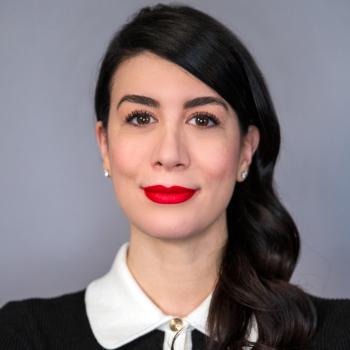
The disconnect between rhetoric and reality has been particularly damaging. When leadership speaks simultaneously of helping the Iranian people while threatening their civilization's destruction, it creates cognitive dissonance that undermines trust and goodwill. This has led to what Dagres describes as a significant shift in perspective among many who previously opposed the regime, as they witness civilian casualties mounting—reportedly at least 1,700 according to Human Rights Activists in Iran—without achieving their hoped-for political change.
The Domestic Repression Dimension
Perhaps the most chilling development for ordinary Iranians is the anticipated domestic crackdown that may follow the ceasefire. With the Islamic Republic emerging from the conflict as what Dagres terms "a rump regime"—arguably more hard-line, repressive, and emboldened by its survival—there are legitimate fears of retaliatory violence against the civilian population. Early indicators are alarming: at least 1,500 arrests and 10 executions have been reported, including protesters from January's anti-regime uprising.
This creates a cruel paradox for Iranians who hoped the conflict might bring liberation. Instead, they face the prospect of living under a regime that has consolidated control over the strategically vital Strait of Hormuz while potentially intensifying domestic repression. The internet shutdown itself serves as both a symptom and tool of this control, preventing organized resistance while isolating citizens from external support and information.
Conclusion: An Uncertain Future
The fragile ceasefire currently in place offers temporary relief from immediate military threats but does little to address the fundamental challenges facing ordinary Iranians. They remain caught between an external conflict that has caused significant civilian suffering and a domestic regime that shows every sign of intensifying its repression. The human cost extends beyond casualty figures to encompass psychological trauma, economic disruption, and the erosion of hope for political change.
As the international community negotiates the terms of disengagement and future relations, the voices of Iran's civilian population deserve greater consideration. Their experiences during this conflict—the fear, confusion, and changing perspectives—offer crucial insights into the real-world consequences of geopolitical decisions. Ultimately, sustainable peace requires addressing not just state-level conflicts but the legitimate aspirations and security concerns of the people living under these contested regimes.