Global Reactions to the US-Iran Two-Week Ceasefire Agreement
In a significant diplomatic development, the United States and Iran have agreed to a two-week ceasefire, announced by US President Donald Trump. The agreement, which came just before a critical deadline, has been met with widespread international approval. This article examines the details of the truce, the planned negotiations in Islamabad, and the positive reactions from global powers and regional stakeholders, including the United Nations, the European Union, and key Middle Eastern nations.
In a pivotal moment for Middle Eastern geopolitics, the United States and Iran have reached a temporary truce. Announced by US President Donald Trump, the two-week ceasefire has been hailed as a crucial step back from the brink of further escalation. The agreement, forged just hours before a looming deadline, opens a vital window for diplomacy, with negotiations set to commence in Islamabad, Pakistan. This development has sparked a wave of positive responses from the international community, underscoring a collective desire for de-escalation and a path toward lasting regional stability.

The Ceasefire Announcement and Terms
President Trump confirmed the agreement in a national address, stating he had agreed to "suspend the bombing and attack of Iran for a period of two weeks." In a reciprocal gesture, Iranian Foreign Minister Seyed Abbas Araghchi pledged safe passage through the strategically vital Strait of Hormuz during the ceasefire period, coordinated with Iranian armed forces. He stated Iran would cease its "defensive operations" provided attacks against it were halted. This mutual de-escalation creates a fragile but critical opportunity for dialogue.
International Welcome and Diplomatic Support
The global response to the ceasefire has been overwhelmingly supportive, with leaders and international bodies emphasizing the urgent need to protect civilian lives and create space for peaceful resolution.
United Nations Endorsement
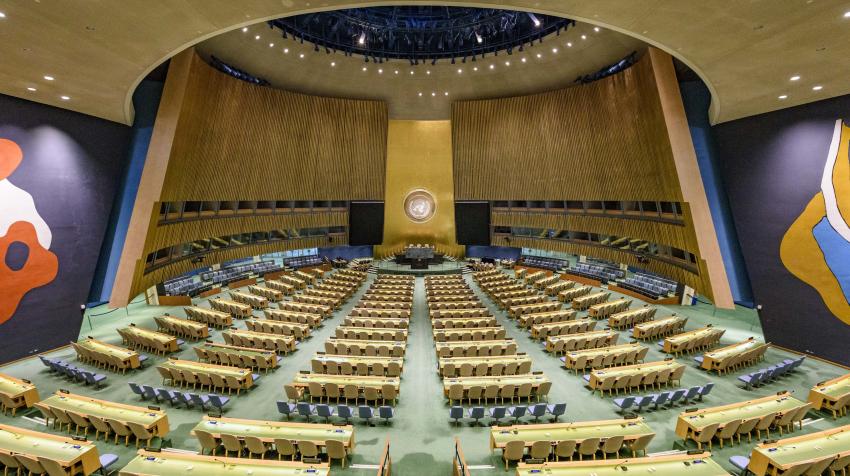
United Nations Secretary-General Antonio Guterres, through his spokesperson, underscored that "an end to hostilities is urgently needed to protect civilian lives and alleviate human suffering." He called on all parties to comply with international law and abide by the ceasefire terms to pave the way for comprehensive peace. The UN also expressed appreciation for the efforts of Pakistan and other nations in facilitating the agreement.
European Union's Cautious Optimism
EU foreign policy chief Kaja Kallas described the agreement on social media as "a step back from the brink after weeks of escalation." She noted it creates a chance to reduce threats, halt missile launches, restart shipping, and make room for diplomacy aimed at a lasting agreement. A key EU priority remains the reopening of the Strait of Hormuz to safeguard this essential global shipping lane.
Regional Perspectives from the Middle East
Nations within the region, often most directly affected by such conflicts, have welcomed the development as a potential catalyst for reduced tensions.
Iraq's Call for Sustained Dialogue
Iraq's Foreign Ministry released a statement noting the agreement would help reduce tensions and enhance prospects for de-escalation and regional stability. Crucially, it called for building on this step by launching "serious and sustainable dialogue channels" that address the root causes of the dispute and strengthen mutual trust.
Egypt's Support for De-escalation
Egypt hailed the move as "positive towards de-escalation and the containment of regional tensions," calling for full adherence to the ceasefire and respect for freedom of international navigation. In a phone call with US Special Envoy Steve Witkoff, Egyptian Foreign Minister Badr Abdelatty praised it as an important step for "giving diplomacy a chance" towards serious negotiations between Washington and Tehran.
Broader International Reactions
Support for the ceasefire extends beyond the immediate region, reflecting its significance for global security and economic stability.
South Korea's Foreign Ministry stated the agreement created momentum for resuming navigation through the Strait of Hormuz and expressed hope for the early restoration of peace and stability in the Middle East. Similarly, Tajikistan's Foreign Ministry expressed hope that the upcoming talks would lead to a long-term settlement, while warning that continued conflict would further complicate the fragile regional situation and cause enormous losses for all countries involved.
The Path Forward: Negotiations in Islamabad
The agreed-upon two-week period is not merely a pause in hostilities but a dedicated window for diplomacy. The choice of Islamabad as the negotiation venue highlights Pakistan's role as a facilitator. The world will be watching closely as the two sides engage in what many hope will be substantive talks aimed at addressing underlying grievances and establishing a more durable framework for peace, moving beyond the immediate ceasefire.
In conclusion, the US-Iran ceasefire represents a significant, though tentative, diplomatic breakthrough. The widespread international acclaim it has received underscores a global consensus on the imperative of dialogue over conflict. As negotiations begin in Islamabad, the commitment of both parties to the ceasefire terms and to good-faith diplomacy will determine whether this two-week pause can be transformed into a lasting peace for the region.