Read on bbc.com
Trump's Strait of Hormuz Ultimatum: A Delicate Political Gamble
As the Tuesday deadline for Iran to open the Strait of Hormuz approaches, President Trump finds himself in a precarious political position. Having issued explicit threats of devastating military strikes, the lack of a breakthrough from Tehran forces a critical decision: extend the deadline for a fourth time and risk undercutting credibility, or follow through with promised attacks and potentially trigger a severe humanitarian crisis. This analysis examines the strategic calculations, military limitations, and high-stakes diplomacy defining these final hours.
With the clock ticking toward a Tuesday night deadline, the United States stands at a geopolitical precipice. President Donald Trump has issued an explicit ultimatum to Iran: open the Strait of Hormuz to "free traffic of oil" or face devastating military consequences beginning at 20:00 Washington DC time. As reported by the BBC, this places the US president in a delicate and potentially defining political position, balancing military threats against diplomatic credibility and the risks of escalation.
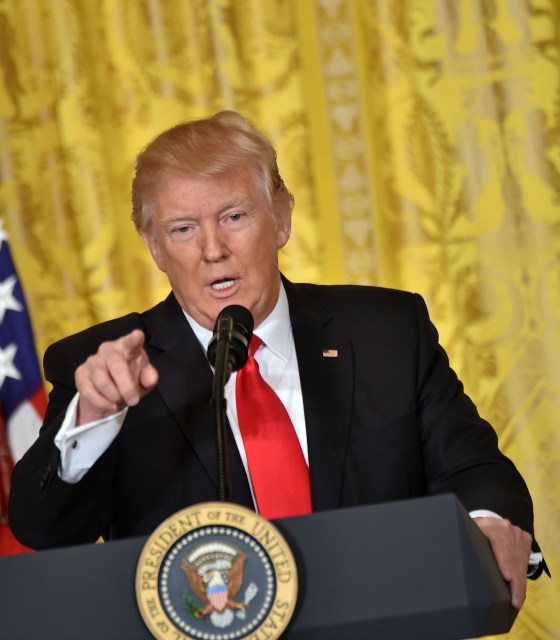
The Ultimatum and the Stakes
President Trump's demands are stark. He has threatened that new US strikes will "decimate" every bridge and power plant in Iran within four hours of the deadline passing, with "very little off-limits." The condition for avoiding this fate is an agreement "that's acceptable to me," specifically including guaranteed oil traffic through the strategic Strait of Hormuz. This narrow waterway is a critical global chokepoint for oil shipments, and Iran's ability to block it with drones, missiles, and mines represents its most potent leverage. As Trump himself noted, "to close the Strait, all you need is one terrorist," acknowledging a strategic asymmetry where Iran's deterrent capability may outweigh raw US military power.
A Test of Credibility and Strategy
The immediate challenge for the Trump administration is the apparent lack of a breakthrough. Iran has rejected a temporary ceasefire and presented its own "maximalist" demands, according to a US official. This creates a binary choice for the President. He could extend the deadline—for the fourth time in three weeks—but as analysis suggests, backing away after such detailed and expletive-laden threats could severely undercut his credibility. The world, including Iran, might conclude that despite America's demonstrated military might—showcased in operations like the recent rescue of downed airmen—it is not negotiating from an unambiguous position of strength.

The Limits of Military Power
President Trump's rhetoric reveals a nuanced, if grim, understanding of military limitations. While celebrating US precision in operations like the "Midnight Hammer" bombing raid and the capture of Venezuela's Nicolás Maduro, he has also expressed reluctance to follow through on his infrastructure threats. He acknowledged that destroyed Iranian infrastructure would eventually need to be rebuilt, potentially with US assistance, and that such an attack could set reconstruction back a century, creating a profound humanitarian crisis. "Do I want to destroy their infrastructure? No," he stated, contrasting with earlier warnings of reducing Iran to the "stone age." This hesitation underscores the complex calculus between applying maximum pressure and managing catastrophic aftermath.
The Path Forward
In the final hours, President Trump maintains a posture of opaque optimism. He claims to have a fully thought-out plan but refuses to divulge it, stating, "We have an active, willing participant on the other side." This could indicate behind-the-scenes negotiations are more advanced than publicly known, or it could be a blend of bluff and wishful thinking. The ultimate decision will reveal much about this administration's foreign policy doctrine: whether it prioritizes the unwavering execution of threats or retains strategic flexibility. As the deadline looms, the stakes extend far beyond the Strait of Hormuz, testing the resilience of diplomatic channels and the real-world costs of high-stakes brinkmanship in an already volatile region.