Read on PBS News
Hungary's Pivotal Election: A Challenge to Orbán's 16-Year Rule and Its Global Implications
Hungarians head to the polls this Sunday in a critical election that could end Prime Minister Viktor Orbán's 16-year tenure. The vote represents the most serious challenge to his leadership, which has been characterized by nationalist policies, close ties to Russia's Vladimir Putin and former U.S. President Donald Trump, and accusations of democratic backsliding. The outcome will not only determine Hungary's future direction—toward the West or further toward what experts call an 'electoral autocracy'—but also has significant implications for European Union unity, transatlantic relations, and the geopolitical balance in Central Europe.
This Sunday, Hungary stands at a political crossroads. Voters will cast ballots in what analysts describe as one of the most consequential European elections of the year, a direct challenge to Prime Minister Viktor Orbán's 16-year grip on power. The election pits Orbán's nationalist Fidesz party against a surging opposition led by former ally Péter Magyar, with the results poised to reshape Hungary's domestic trajectory and its role on the international stage. As reported by PBS NewsHour, the White House under President Trump also has significant stakes in the outcome, highlighting the vote's global resonance.

The Orbán Era: 16 Years of Nationalist Rule
Viktor Orbán, Europe's longest-serving current EU leader, has defined Hungarian politics for nearly two decades. His tenure has been marked by the promotion of what he terms an "illiberal state" based on national values. Key pillars of his rule include staunch fiscal conservatism, state intervention in the economy, strict anti-immigration policies, and legislation targeting LGBTQ+ rights, including bans on Pride events and same-sex marriage. Orbán's approach has frequently placed him at odds with the European Union, which has accused his government of systematically dismantling democratic institutions.
Consolidation of Power and Democratic Backsliding
Critics and international observers point to a pattern of democratic erosion under Orbán. A significant tool has been the overhaul of media ownership; approximately 80% of Hungary's media is now controlled by pro-Orbán oligarchs and his Fidesz party, limiting independent journalism. Furthermore, a new constitution passed in 2011 transferred substantial control over the judiciary to a political appointee from the parliamentary majority. A European Commission report noted that 274 judges and prosecutors were forced into early retirement shortly after its implementation. Despite EU condemnation and domestic protests, Hungary has continued to pass laws constraining judicial independence.

The Challenger: Péter Magyar and the Opposition's Momentum
The most formidable challenge to Orbán comes from within his own former political circle. Péter Magyar, once a member of Orbán's party, broke away in 2024 amidst a Fidesz corruption scandal to form the Tisza Party. He gained instant prominence by publicly decrying high-level corruption within the ruling party via social media. Magyar campaigns as a conservative who promises to combat corruption, repair Hungary's strained relations with the European Union and NATO, and distance the country from its pro-Russia foreign policy. Independent opinion polls suggest Magyar's message is resonating, predicting a potential loss for Orbán.
Geopolitical Stakes: A Battle for Hungary's Soul
The election is fundamentally a referendum on Hungary's geopolitical orientation. Orbán has cultivated close ties with both Russian President Vladimir Putin and former U.S. President Donald Trump, positioning Hungary as a maverick within Western alliances.
Pro-Russia Alignment and EU Friction
Orbán has maintained a consistently anti-Ukraine stance, notably vetoing a massive €103 billion EU loan package for Ukraine. He has blamed Ukraine for attacks on energy infrastructure serving Hungary. Revelations, including leaked recordings, suggest Hungarian officials have shared confidential EU negotiation details with Moscow and worked to undermine European sanctions on Russia. As expert R. Daniel Kelemen of Georgetown University stated in the PBS interview, the Orbán government acts as a "Trojan horse for Putin within the EU."
The Trump Connection and U.S. Involvement
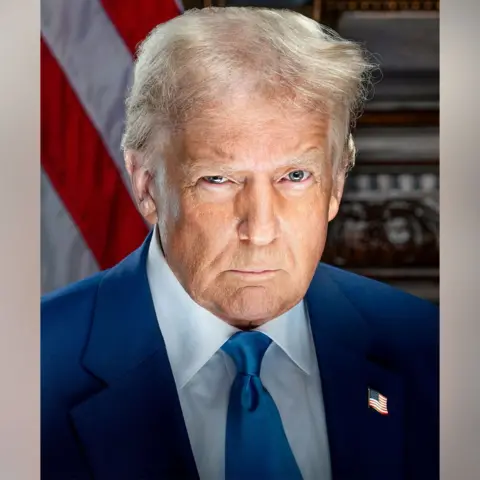
The U.S. political dimension is unusually pronounced. Vice President J.D. Vance visited Budapest recently to campaign for Orbán, an overt endorsement that underscored the alliance. During the event, Vance called President Trump, who praised Orbán as a "fantastic man." Trump later posted a message pledging to use "the full economic might of the United States to strengthen Hungary's economy" if Orbán remains in power. Analysts suggest Trump and the MAGA movement view Orbán as a role model for consolidating political power, making his potential defeat a symbolic blow to that political project.
What Comes Next: Potential Outcomes and Challenges
The election's mechanics themselves are contested. While not expected to feature rampant ballot-stuffing, the electoral playing field is heavily tilted by rules rewritten under Orbán. Experts like Kelemen note the opposition may need to win by a margin of at least 5% to secure a parliamentary majority due to these systemic advantages. Should the opposition prevail, a peaceful transition is not guaranteed. Orbán has already preemptively claimed foreign interference, alleging Ukrainian funding for the opposition campaign, signaling he may challenge the results.
The implications of Sunday's vote extend far beyond Hungary's borders. An Orbán defeat would remove a persistent internal critic and obstacle within the European Union, potentially strengthening EU unity on issues like support for Ukraine. It would also represent a significant setback for the model of "electoral autocracy" Orbán has championed. Conversely, an Orbán victory would reinforce illiberal trends in Europe and solidify a key node in an alternative geopolitical axis linking Budapest to Moscow and factions in Washington. For 10 million Hungarians and observers worldwide, Sunday's election is a decisive moment for democracy, sovereignty, and the future of European integration.