Read on bbc.com
Trump's Strait of Hormuz Deadline: A Critical Juncture in US-Iran Relations
US President Donald Trump has issued a stark ultimatum to Iran, demanding the reopening of the strategically vital Strait of Hormuz by Tuesday night or face devastating military consequences. This critical global energy route has become the focal point of escalating tensions, with Trump threatening to take out Iran "in one night" if no agreement is reached. The deadline approaches amid complex negotiations, international mediation efforts, and warnings from legal experts about potential war crimes. This article examines the geopolitical stakes, the strategic importance of the strait, and the potential global implications of this high-stakes confrontation.
The geopolitical landscape faces a critical test as US President Donald Trump's Tuesday deadline for Iran to reopen the Strait of Hormuz approaches. This ultimatum, delivered with the threat of devastating military action, places one of the world's most important energy corridors at the center of escalating US-Iran tensions. The Strait of Hormuz serves as a vital artery for global oil shipments, making its closure or restricted access a matter of international economic security. As the deadline looms, the world watches to see whether diplomatic channels can prevail or whether the region will descend into further conflict with potentially catastrophic consequences.
The Strategic Importance of the Strait of Hormuz
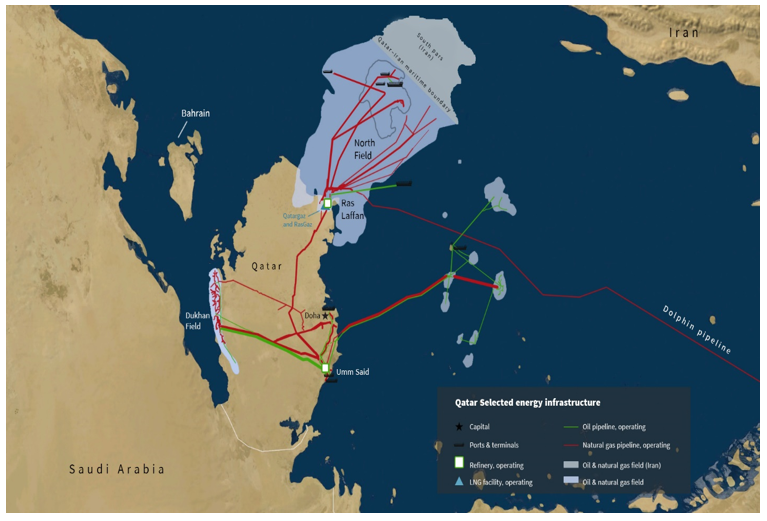
The Strait of Hormuz represents one of the world's most strategically significant maritime chokepoints. Located between the Persian Gulf and the Gulf of Oman, this narrow waterway serves as the primary transit route for approximately one-fifth of the world's oil supply and one-third of its liquefied natural gas. Its closure would have immediate and severe consequences for global energy markets, potentially triggering economic instability worldwide. The strait's geographical position makes it particularly vulnerable to disruption, with its narrowest point measuring only 21 miles wide at the navigation channel. This vulnerability has made it a focal point of geopolitical tension for decades, with various nations recognizing its critical importance to global energy security and economic stability.
Trump's Ultimatum and Military Posturing
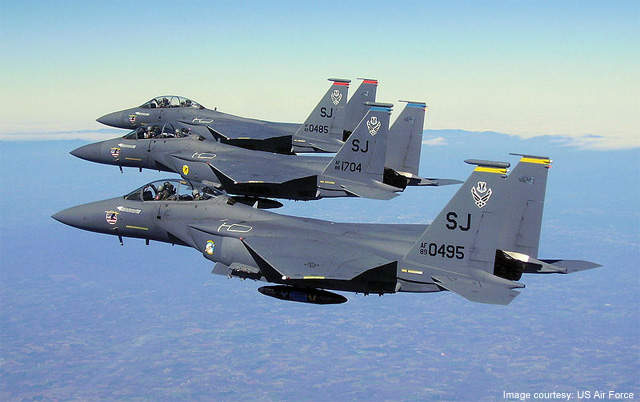
President Trump's deadline, set for 20:00 Washington DC time on Tuesday (00:00 GMT on Wednesday), represents a significant escalation in US-Iran relations. During a White House news conference alongside Defense Secretary Pete Hegseth and Gen Dan Caine, chairman of the Joint Chiefs of Staff, Trump delivered his stark warning: "The entire country can be taken out in one night – and that night might be tomorrow night." This threat follows what Trump described as the "heroic" rescue of two crew members from an F-15 fighter jet downed in southern Iran, an operation that has bolstered the administration's confidence in its military capabilities in the region. Trump emphasized that Iran would be sent back to the "Stone Ages" if the deadline passes, specifically mentioning the potential destruction of bridges and power plants as part of US military planning.

Negotiation Dynamics and Diplomatic Challenges
Despite the harsh rhetoric, Trump expressed some optimism about ongoing negotiations, stating that he believed "reasonable" leaders in Iran were negotiating in "good faith." However, significant obstacles remain. Iran has rejected proposals for a temporary ceasefire, instead demanding a permanent end to the conflict and the lifting of sanctions. According to a regional official familiar with the discussions, meaningful progress is unlikely without a ceasefire first. The official, who requested anonymity due to the sensitivity of talks, highlighted additional complications: "To convey messages to Iran, getting a response in a reasonable time is not possible. The average time of response has been a day or so." This communication challenge stems from an ongoing communications blackout in Iran, complicating diplomatic efforts even as Pakistan, Turkey, and Egypt attempt to mediate between the parties.
Legal and Ethical Considerations
The Trump administration's threats have raised serious legal and ethical concerns among international law experts. Tess Bridgeman, a former Obama-era National Security Council legal adviser, warned that deliberate, sustained assaults on Iranian infrastructure could constitute war crimes. "Obliterating all power plants, threatening coercive actions against the civilian population to try to bring a government to the negotiating table - those kinds of things are all flatly illegal," Bridgeman told CBS, the BBC's US partner. These warnings highlight the potential international law violations that could result from implementing Trump's threatened actions. When questioned about these concerns, Trump stated he was not "worried" about the possibility of war crimes, instead suggesting that Iran's population would be "willing to suffer to have freedom," even while insisting that toppling Iran's government was not his intention.
International Relations and Alliance Strains
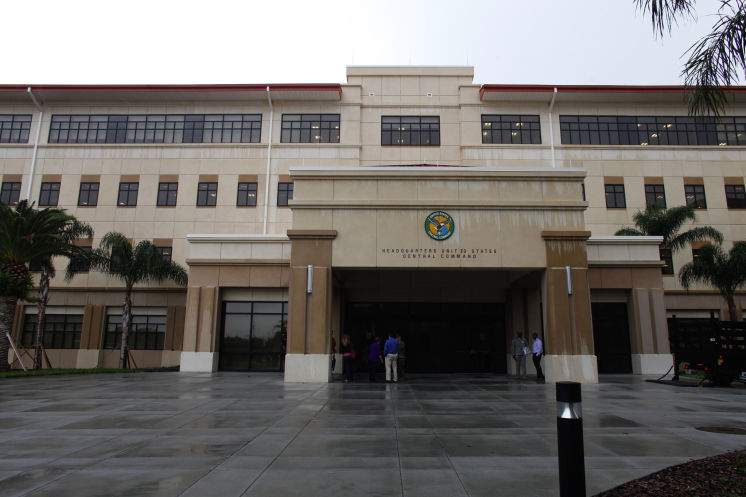
The crisis has further strained US relations with key allies. During his news conference, Trump renewed criticism of several traditional partners, including the UK, NATO, and South Korea, accusing them of failing to support the US during the conflict. "That's a mark on NATO that will never disappear," he declared, adding that the US did not "need" the UK. These comments reflect growing tensions within traditional alliances and suggest a potential shift in how the US approaches international coalitions. The conflict has already seen significant military action, with US forces conducting over 13,000 strikes across Iran since the war began, according to an update from the US military's Central Command on Monday. This scale of military engagement underscores the seriousness of the confrontation and its potential to reshape regional power dynamics.
Conclusion: A Pivotal Moment in Global Security
As the Tuesday deadline approaches, the world faces a pivotal moment in international relations and global security. The Strait of Hormuz crisis represents more than just a bilateral dispute between the US and Iran; it tests the limits of diplomatic resolution versus military escalation in an increasingly volatile region. The outcome will have significant implications for global energy markets, international law, alliance structures, and regional stability. Whether through last-minute diplomatic breakthroughs or military confrontation, the resolution of this crisis will shape US foreign policy, Middle Eastern geopolitics, and global security frameworks for years to come. The international community must carefully consider the broader implications of this confrontation and work toward solutions that prioritize stability, international law, and the protection of civilian infrastructure.