US-Israeli Attack Destroys Synagogue in Central Tehran: An Analysis
A reported US-Israeli projectile strike has destroyed a synagogue in the center of Tehran, according to Iran's semi-official Mehr News Agency. This article examines the reported incident, its immediate context within the broader regional tensions, and the potential implications for religious sites and international relations. The attack, if confirmed, marks a significant and dangerous escalation, directly targeting a civilian and religious structure in the heart of Iran's capital.
A reported military strike attributed to the United States and Israel has resulted in the destruction of a synagogue in central Tehran, according to Iranian state media. This incident, reported by Iran's semi-official Mehr News Agency, represents a severe escalation in regional hostilities, directly impacting a civilian religious site. The attack raises immediate questions about the targeting of non-military infrastructure, the protection of cultural and religious heritage in conflict zones, and the potential for further retaliation in an already volatile Middle East.
The Reported Incident
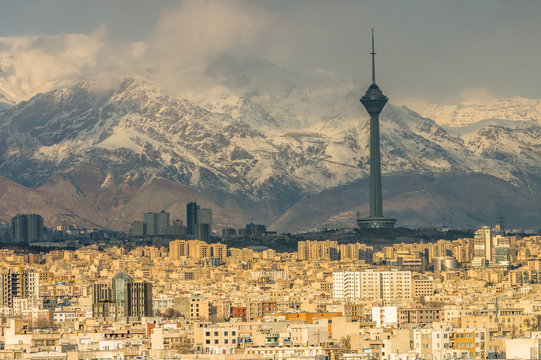
On Tuesday, April 7, 2026, the Mehr News Agency reported that a "US-Israeli projectile flattened a synagogue in the center of Iran's capital, Tehran." The agency's initial report, as cited by international outlets like CGTN, provided limited details, notably not elaborating on potential casualties from the attack. The specific location within the city center and the identity of the synagogue have not been disclosed in the initial reports. The attribution of the strike jointly to the United States and Israel follows a pattern of accusations from Tehran regarding attacks on its soil.
Context and Escalating Tensions
This reported attack did not occur in a vacuum. It must be understood within the context of prolonged and escalating covert and overt conflict between Iran, the United States, and Israel. For years, tensions have simmered over Iran's nuclear program, its regional influence via proxy groups, and a series of attributed attacks on shipping, diplomatic facilities, and individuals. The targeting of a structure in the heart of Tehran signifies a dramatic increase in the boldness and perceived reach of such operations. Previous reported strikes have often focused on peripheral, military, or industrial targets.

Implications and Immediate Concerns
The destruction of a synagogue carries profound implications beyond the immediate physical damage. Firstly, it represents an attack on a religious site, which under international humanitarian law should be afforded protection as a civilian object, barring its use for military purposes. Such an act risks inflaming sectarian and religious sentiments globally. Secondly, a strike in central Tehran demonstrates a significant intelligence and operational capability to penetrate Iran's air defenses in its most guarded urban area. This could force a major reassessment of security protocols within the Iranian establishment. Finally, the lack of immediate claim of responsibility or detailed information from Western or Israeli sources leaves a vacuum filled by the Iranian narrative, complicating the international response.
Potential for Regional Fallout
The direct targeting of Iran's capital is likely to provoke a significant response. Iran has historically pursued a policy of calculated retaliation, often through its network of allied militias across the Middle East. Potential responses could include escalated attacks on US or Israeli interests in the region, whether diplomatic, military, or commercial. The incident also risks drawing other regional actors deeper into the conflict and could destabilize ongoing, fragile diplomatic efforts on other issues. The international community will be watching closely to see if this event triggers a new, more open phase of direct military confrontation.
Conclusion
The reported US-Israeli attack on a synagogue in central Tehran, if verified, marks a dangerous new threshold in regional conflict. Moving beyond the targeting of military and nuclear assets to a religious building in a populous city center represents a severe escalation with unpredictable consequences. The immediate priorities are clarifying the facts of the incident, assessing the humanitarian impact, and containing the inevitable political and military fallout. This event underscores the extreme fragility of security in the Middle East and the high potential for a single incident to spiral into a broader conflagration. All parties must exercise maximum restraint to prevent further escalation.