Read on France 24
Iran's Military Vows to Continue War Until US and Israel 'Surrender'
Iran's military leadership has issued a stark warning, pledging to press on with the Middle East conflict until the United States and Israel face "permanent regret and surrender." This threat, reported by the semi-official Tasnim news agency, comes in direct response to comments from US President Donald Trump, who stated Washington would hit Iran "extremely hard" within weeks. The escalating rhetoric marks a dangerous new phase in the regional conflict, with both sides signaling a hardening of positions and a rejection of diplomatic off-ramps. The situation underscores the volatile and unpredictable nature of the ongoing war, with the potential for further military escalation.
The geopolitical landscape of the Middle East faces a perilous new escalation as Iran's military command issues an uncompromising ultimatum to its adversaries. According to a report from the semi-official Tasnim news agency, the spokesperson for Iran's armed forces unified command declared on Thursday that Tehran would continue the war until the United States and Israel are forced into a state of "permanent regret and surrender." This stark declaration represents a significant hardening of Iran's public position and a direct challenge to Western powers engaged in the conflict.
The Context of Escalating Rhetoric
Iran's threat did not emerge in a vacuum. It was delivered as a direct counter to provocative statements from US President Donald Trump. President Trump had previously asserted that Washington was prepared to strike Iran "extremely hard" within a matter of weeks. He further claimed that Iran was "essentially decimated" and that the United States remained on track to achieve its military objectives in the region. This exchange of verbal barbs, reported by France 24, highlights a dangerous cycle of escalation where public declarations are increasingly bellicose and absolute.
Analyzing the Strategic Message
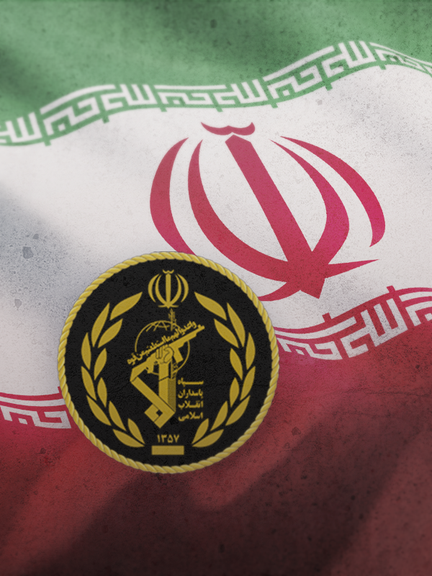
The language used by Iran's military spokesperson is deliberately maximalist. Phrases like "permanent regret" and "surrender" are not typical diplomatic language but are intended for domestic and regional audiences. This rhetoric serves multiple purposes: it projects an image of resilience and defiance to the Iranian populace, signals unwavering resolve to allied factions across the Middle East, and attempts to frame the conflict as an existential struggle where compromise is not an option. By communicating through Tasnim, a news agency closely linked to the Islamic Revolutionary Guard Corps (IRGC), the regime ensures the message carries the weight of its security apparatus.
Implications for Regional Stability
This latest development severely undermines prospects for a near-term ceasefire or negotiated settlement. When both sides publicly commit to outcomes requiring the other's total capitulation, the diplomatic space shrinks dramatically. The situation risks miring the region in a prolonged, attritional conflict with significant humanitarian costs. The threat also increases the likelihood of miscalculation, where a localized incident could trigger a disproportionate response, leading to a wider conflagration. The international community, including European and Arab states, faces a formidable challenge in attempting to de-escalate tensions between two parties that are currently speaking the language of total victory.
Conclusion: A Dangerous Stalemate
The war of words between Tehran and Washington has reached a new and alarming crescendo. Iran's vow to fight until its enemies surrender, made in response to US threats of extreme force, paints a picture of a conflict with no apparent off-ramp. This mutual hardening of positions suggests that the military trajectory of the Middle East war is likely to continue, if not intensify, in the coming weeks. The primary victims of this escalating rhetoric will inevitably be the civilian populations caught in the crossfire, while the path back to dialogue appears increasingly distant. The international community must urgently seek channels for de-escalation before the current stalemate erupts into an even broader regional crisis.