The Strait of Hormuz Blockade: Global Energy Crisis and Diplomatic Efforts
The Strait of Hormuz, a narrow maritime chokepoint, has become the epicenter of a global energy crisis following its blockade by Iran in February 2026. With approximately 20% of the world's oil and liquefied natural gas (LNG) supplies normally transiting this waterway from Gulf producers, the closure has sent oil prices soaring above $100 per barrel and forced fuel rationing worldwide. In response, British Prime Minister Keir Starmer is leading a coalition of about 40 nations in diplomatic talks aimed at reopening the strait, navigating complex geopolitical tensions with Iran and a notable absence of US participation under President Trump's administration.
The global energy market is facing one of its most severe disruptions in decades, centered on a narrow strip of water between the Persian Gulf and the Gulf of Oman. The Strait of Hormuz, through which an estimated 20 percent of the world's oil and liquefied natural gas (LNG) supplies are shipped during peacetime, has been effectively blockaded by Iran since late February 2026. This strategic chokepoint's closure has triggered immediate economic consequences worldwide, sending oil prices surging above $100 per barrel—a roughly 40 percent increase from pre-war levels—and forcing countries to implement emergency energy conservation measures.

The Strategic Importance of the Strait of Hormuz
Geographically, the Strait of Hormuz represents one of the world's most critical maritime bottlenecks. At its narrowest point, the waterway measures just 21 nautical miles (39 kilometers) wide, with shipping lanes in each direction only two miles wide separated by a two-mile buffer zone. This constrained geography gives Iran significant leverage, as its territorial waters extend into the strait. The waterway serves as the primary export route for petroleum products from Saudi Arabia, Iran, the United Arab Emirates, Kuwait, and Iraq—collectively representing some of the world's largest energy producers. Beyond crude oil, the strait facilitates the transport of approximately one-third of the world's LNG, with Qatar being the dominant exporter.
Origins of the Current Crisis
The current blockade began on February 28, 2026, following United States and Israeli military strikes on Tehran. In response, Iran exercised its control over the strait, blocking it to most international shipping. Iran has framed this action as a legitimate exercise of sovereignty over its territorial waters amid ongoing hostilities. The country has established five conditions for calling a ceasefire, with international recognition of its right to exercise authority over the Strait of Hormuz being a central demand. Since early March, Iran has permitted only vessels from countries it considers "friendly" to pass through—primarily those flying flags of India, Pakistan, Malaysia, and China—while other nations scramble to negotiate separate passage agreements.

Global Economic Impact
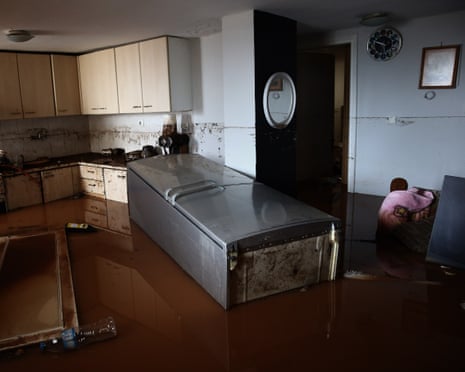
The economic repercussions of the blockade have been immediate and severe. The surge in oil prices above $100 per barrel has particularly affected Asian economies, many of which are heavily dependent on Middle Eastern energy imports. Countries have begun implementing fuel rationing and cutting industrial production to conserve energy. Malaysia has taken particularly drastic measures, ordering all civil servants to work from home in an effort to reduce energy consumption. The price spike represents not just increased costs for consumers and industries but also threatens global economic stability, potentially triggering inflationary pressures worldwide and slowing economic growth in energy-importing nations.
The UK-Led Diplomatic Initiative
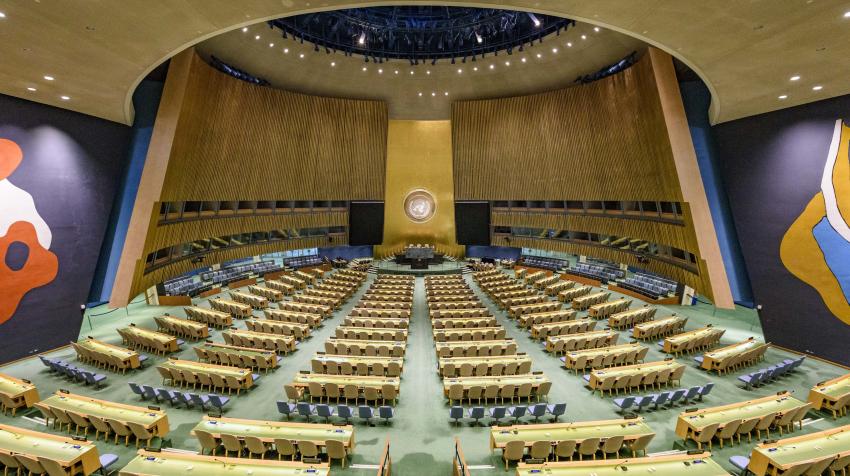
In response to the escalating crisis, British Prime Minister Keir Starmer has taken a leading diplomatic role, convening a coalition of approximately 40 nations to discuss strategies for reopening the vital waterway. UK Foreign Secretary Yvette Cooper chaired a video conference meeting beginning at midday on April 2, 2026, with participants including France, the Netherlands, Germany, Italy, Canada, Australia, and the United Arab Emirates. These nations had previously signed a statement expressing readiness "to contribute to appropriate efforts to ensure safe passage through the Strait of Hormuz." European nations initially hesitated to become involved, fearing escalation into the broader conflict, but rising energy prices and economic pressures have compelled their participation.
Meeting Agenda and Objectives
According to statements from Prime Minister Starmer, the coalition aims to "assess all viable diplomatic and political measures that we can take to restore freedom of navigation, guarantee the safety of trapped ships and seafarers and resume the movement of vital commodities." Following the initial diplomatic discussions, military planners will convene to examine how capabilities can be marshaled to make the strait accessible and safe after hostilities cease. The UK government has outlined a two-phase approach: first, ensuring the maritime waterway is cleared of potential hazards like landmines; second, establishing protection for tankers as they transit the area.
The United States' Position
A notable absence from the coalition talks is the United States. President Trump has explicitly stated that reopening the strait is not America's responsibility, telling European countries to "go get your own oil." In a post on Truth Social earlier in the week, the president criticized allies like the United Kingdom for refusing "to get involved in the decapitation of Iran," suggesting they either purchase US fuel or participate more directly in the conflict. This position represents a significant shift from traditional US leadership in ensuring freedom of navigation in international waterways and places additional pressure on European and other allied nations to develop independent capabilities.
Challenges and Prospects for Success
Prime Minister Starmer has acknowledged that reopening the strait "will not be easy," reflecting the complex diplomatic and military challenges involved. Iran has not only maintained its blockade but has reportedly begun implementing a "toll booth" system through its Islamic Revolutionary Guard Corps (IRGC) to control vessel traffic. Iranian media reports indicate the country's parliament is seeking to pass legislation to formalize toll collection from ships transiting the strait. Experts like Ian Lesser of the German Marshall Fund of the United States suggest that under current wartime conditions, the coalition's prospects are doubtful unless some arrangement is negotiated directly with Iran. However, the coalition could be well-positioned to provide security for commercial passage after active hostilities end, provided member states are willing to commit naval resources—something they have previously been reluctant to do.
Geopolitical Implications
The crisis has significant implications for international relations and global governance. Christopher Featherstone of the University of York notes that the UK-led initiative serves multiple diplomatic purposes: signaling commitment to the US-UK relationship to the Trump administration, demonstrating European leadership capacity, and communicating to Iran and the world that these nations are not simply acquiescing to American demands. The situation tests the international community's ability to respond collectively to disruptions in critical global infrastructure without traditional US leadership. It also highlights the vulnerabilities inherent in global energy supply chains that depend on geographically constrained chokepoints.
Conclusion
The blockade of the Strait of Hormuz represents more than a regional conflict—it is a global economic emergency with far-reaching consequences. As approximately 20 percent of the world's oil and gas supplies remain bottlenecked, nations face difficult choices between energy security, diplomatic engagement, and military considerations. The UK-led coalition of 40 nations represents a significant diplomatic effort to address the crisis through multilateral cooperation, though its success remains uncertain amid Iran's firm control over the waterway and the United States' withdrawal from traditional leadership roles. The outcome will likely shape not only immediate energy markets but also future approaches to securing vital international waterways and managing dependencies on strategic chokepoints in an increasingly volatile geopolitical landscape.