Read on bbc.com
Storm Erminio and Saharan Dust Bring Tragedy and Disruption to Greece
A severe storm system named Erminio has struck Greece, resulting in at least one fatality near Athens and widespread flooding. Concurrently, the island of Crete has been enveloped in a dense cloud of Saharan dust, disrupting travel and turning skies a dramatic red-orange hue. The Greek fire department has responded to hundreds of emergency calls as high winds and intense rainfall cause significant damage, including flooded streets, downed bridges, and closed schools. Authorities have issued red weather warnings for parts of Crete, anticipating continued severe conditions.
A powerful storm system has brought tragedy and severe disruption to Greece, claiming a life near Athens while a separate Saharan dust event shrouded the island of Crete in an eerie, orange haze. The dual meteorological events, occurring as the country approaches the Easter holidays, have prompted emergency responses, travel cancellations, and serious safety warnings from national authorities.
The Fatal Storm: Erminio's Impact on Attica
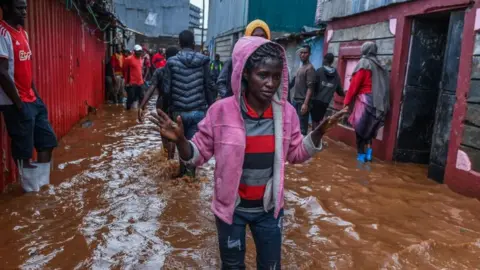
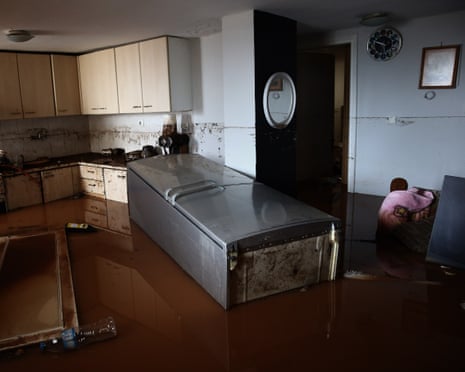
Storm Erminio unleashed gale-force winds and torrential rains across several Greek regions, with the Attica region surrounding Athens bearing a significant brunt. The human cost became starkly clear early on Thursday when a man in his 50s was found deceased in the coastal town of Nea Makri. According to reports from the Greek fire department and local media, the man is believed to have been swept away by a powerful torrent while attempting to cross a flooded street. His body was later discovered trapped beneath a car.
The storm's fury extended beyond this tragic incident. The basement of the local police station in Nea Makri was inundated with water. On the island of Poros, a bridge was reportedly knocked down by the force of the flooding. The Greek fire department was inundated with calls for assistance, receiving 674 requests from Wednesday through early Thursday. The majority of these calls originated in Attica, with fallen trees being a primary concern. In response to the dangerous conditions, authorities closed some schools as a precautionary measure.
Crete Enveloped in Saharan Dust
While storm winds and rain battered parts of the mainland, the Mediterranean island of Crete faced a different atmospheric phenomenon. A massive plume of dust, originating from a storm in the Sahara Desert, swept across the island on Wednesday. The event transformed the skies over the capital, Heraklion, into a striking reddy-orange color, reducing visibility and coating surfaces in a fine layer of sand.

The dust cloud had immediate practical consequences, disrupting air travel to and from the popular tourist destination. The timing is particularly problematic as it coincides with the lead-up to the Orthodox Easter holidays, a peak travel period. Residents and tourists on the island were seen wearing face masks to protect themselves from inhaling the particulate matter. The Greek national meteorological service has escalated warnings for Crete, issuing a red-level alert—indicating a high likelihood of widespread damage and risk to life—for the island's western and southern parts from midday through late Thursday night.
Broader Disruption and Ongoing Warnings
The combined effects of the storm and dust have created a multifaceted crisis. Maritime travel has been severely hampered, with high winds forcing ferries to remain moored in ports across affected regions. While some Greek media outlets suggested ferry departures might resume on Thursday, this remains contingent on improving weather conditions. The national meteorological service has forecast "long-lasting and intense rains and storms" for most of the country on Thursday, indicating that the period of severe weather is not yet over.
These events underscore the vulnerability of regions to extreme and concurrent weather phenomena. The situation in Greece serves as a stark reminder of how quickly conditions can deteriorate, posing direct threats to life and severely disrupting infrastructure and daily routines. Authorities continue to urge caution as they manage the ongoing response to Storm Erminio and the atmospheric effects of the Saharan dust.