Eagles-Commanders Brawl: Analyzing the 2-Point Conversion Controversy and Its Aftermath
A late-game 2-point conversion attempt by the Philadelphia Eagles while leading by 17 points sparked a major on-field brawl during their Week 16 matchup against the Washington Commanders. The incident resulted in three player ejections and reignited debates about sportsmanship, unwritten rules, and competitive strategy in the NFL. This article examines the sequence of events, the mathematical reasoning behind the controversial decision, player reactions from both teams, and the implications for their upcoming rematch in Week 18.
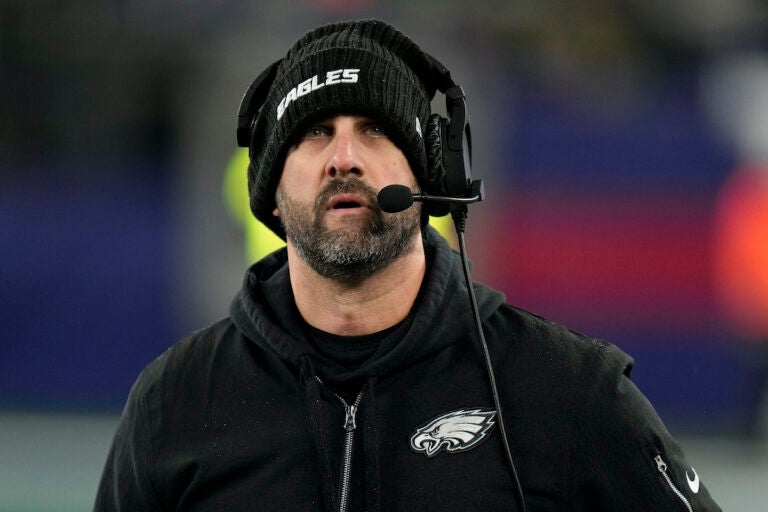
The Philadelphia Eagles' 29-18 victory over the Washington Commanders on Saturday night will be remembered less for the final score and more for the explosive brawl that erupted late in the fourth quarter. With Philadelphia leading 27-10 and just over four minutes remaining, head coach Nick Sirianni's decision to attempt a 2-point conversion ignited tensions that had been simmering throughout the game, resulting in a bench-clearing fight and three player ejections. This incident has sparked widespread debate about competitive ethics, strategic decision-making, and the unwritten codes of conduct in professional football.
The Controversial Decision
With 4:26 remaining in the game and holding a 27-10 lead, the Eagles faced a decision after scoring a touchdown: kick the extra point for an 18-point lead or attempt a 2-point conversion to potentially go up by 19. According to ESPN's coverage, Sirianni defended the decision as mathematically sound rather than an attempt to run up the score. "We did that in what we thought was the best interest," Sirianni explained. "To go up one more point in my mind is not running up the score." The Eagles' reasoning centered on game theory—a 19-point lead requires Washington to score three times (two touchdowns with 2-point conversions plus a field goal) rather than just two touchdowns with successful 2-point attempts to tie at 18 points.
The Brawl Erupts
Immediately following the successful 2-point conversion that gave Philadelphia a 29-10 advantage, tensions boiled over. What began as a shoving match between Washington safety Will Harris and Philadelphia wide receiver Darius Cooper quickly escalated into a full-scale brawl involving numerous players from both teams. According to eyewitness accounts and video evidence, the confrontation featured multiple punches being thrown, helmet grabs, and players rushing from both sidelines to join the fray.
Player Ejections and Reactions
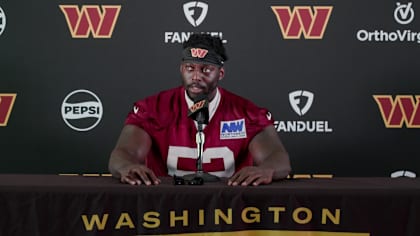
The NFL officials ejected three players following the incident: Eagles offensive lineman Tyler Steen and Commanders defensive end Javon Kinlaw and safety Quan Martin. Player reactions revealed deep-seated animosity between the division rivals. Eagles right tackle Fred Johnson expressed indifference to Washington's displeasure, stating, "I guess they were upset, but I don't give a f---. It's football. You can't control what the next person does." Commanders safety Quan Martin explained his involvement as protective instinct: "I was trying to protect my teammates. I [saw] some 300-pound guys taking shots at Mike. I'm like, shoot I've got to protect my guy."
Coaching Perspectives and Unwritten Rules
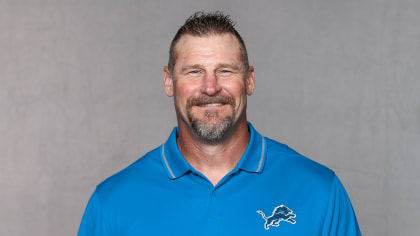
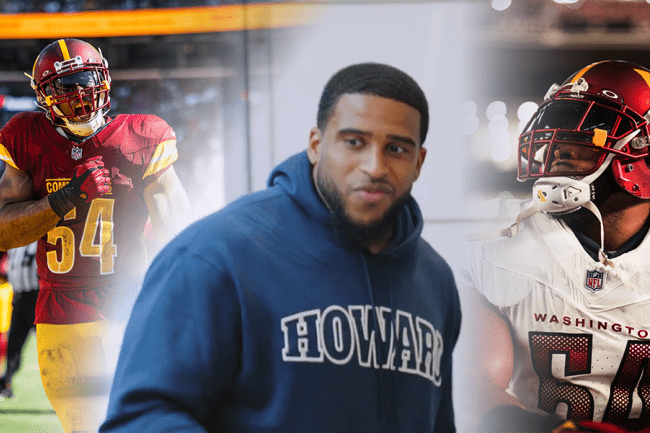
The incident highlighted differing philosophies about competitive etiquette in the NFL. Washington coach Dan Quinn, when asked if going for two violated an unwritten code among coaches, responded diplomatically: "I can only answer from my side and what I would do. If that's how they want to get down, all good. We play them again in two weeks." Commanders linebacker Bobby Wagner acknowledged the potential disrespect in the situation but maintained a pragmatic outlook: "It was 'maybe' disrespectful to go for two in that situation but added, 'We've still got to stop them. That's how I look at it.'"
Historical Context and Rivalry Intensity
The Eagles-Commanders rivalry has featured numerous heated moments throughout its history, but Saturday's brawl represents one of the most significant confrontations in recent years. Eagles running back Saquon Barkley acknowledged the deep-seated animosity, stating, "This team don't like us. That's just the truth. We don't like them either. But we've got to keep it to football." Barkley also credited Commanders linebacker Bobby Wagner with preventing further escalation by reasoning with him during the chaos: "Bobby Wagner did a really good job of making it make sense to me in that moment."
Strategic Implications and Future Matchup
The brawl and its underlying tensions set the stage for an intensely anticipated Week 18 rematch when Washington (4-11) travels to Philadelphia (10-5) for the regular-season finale. Commanders quarterback Josh Johnson made the rivalry's intensity clear: "We [aren't] going to get pushed around by nobody. You've got to let people know sometimes. That's what our guys did today, they let them know. We'll see them in two weeks." The Eagles, having clinched the NFC East with their victory, now face a division opponent with added motivation and lingering resentment from Saturday's confrontation.
League Implications and Sportsmanship Debate
Beyond the immediate teams involved, the incident raises broader questions about sportsmanship, competitive strategy, and player conduct in the NFL. While Sirianni's mathematical justification has merit from a strategic standpoint, the emotional response from Washington players highlights how perceived disrespect can override logical game theory. The league will likely review the incident for potential fines or suspensions beyond the in-game ejections, particularly given the visible punches thrown and the bench-clearing nature of the confrontation.
Conclusion
The Eagles-Commanders brawl serves as a compelling case study in the intersection of strategy, emotion, and rivalry in professional sports. While Nick Sirianni's 2-point conversion decision followed sound mathematical reasoning, it ignited underlying tensions that had been building throughout the game and across seasons of divisional competition. The incident demonstrates how unwritten codes of conduct sometimes conflict with optimal strategic decisions, and how historical rivalries can transform competitive moments into emotional flashpoints. As both teams prepare for their Week 18 rematch, the aftermath of Saturday's brawl will undoubtedly influence preparations, motivations, and the intensity of what promises to be another highly charged divisional matchup.