Read on bbc.com
Satellite Evidence Reveals RSF Attempts to Cover Up Mass Killings in Sudan's El-Fasher
A new report from Yale University's Humanitarian Research Lab provides disturbing satellite evidence that Sudan's paramilitary Rapid Support Forces (RSF) has been systematically burying and burning bodies to conceal mass killings in the captured city of el-Fasher. The analysis reveals tens of thousands of bodies were likely disposed of after the RSF seized control in October, with ongoing efforts to destroy evidence of what the United Nations has described as massacres against civilians. This report adds to mounting international condemnation of the RSF's actions in a conflict the UN calls the world's worst humanitarian disaster.
Satellite imagery analysis has uncovered disturbing evidence of systematic attempts to conceal mass atrocities in Sudan's ongoing civil war. According to researchers from Yale University's Humanitarian Research Lab (HRL), the paramilitary Rapid Support Forces (RSF) has been engaged in a multi-week campaign to bury and burn bodies in the city of el-Fasher, following its capture in October 2025. This evidence points to a deliberate effort to destroy proof of widespread killings that have drawn international condemnation and accusations of crimes against humanity.

The Capture of El-Fasher and Initial Atrocity Reports
El-Fasher, the capital of North Darfur state, fell to RSF forces in October 2025 after an 18-month siege. The city represented the Sudanese army's last foothold in the vast Darfur region, making its capture a significant strategic victory for the paramilitary group. However, the military success was immediately marred by widespread reports of civilian massacres as the city fell. The United Nations was among numerous international organizations that accused the RSF of executing civilians during the takeover, allegations that prompted global outrage and calls for accountability.
The conflict between the RSF and Sudan's regular army began in April 2023 when a power struggle between the two factions erupted into full-scale civil war. According to BBC reporting, the United Nations has described the resulting humanitarian crisis as the world's worst, with more than 13 million people displaced since the fighting began. The situation in Darfur has been particularly dire, with the region experiencing what aid agencies describe as a catastrophic combination of conflict and famine.
Yale's Satellite Analysis and Findings
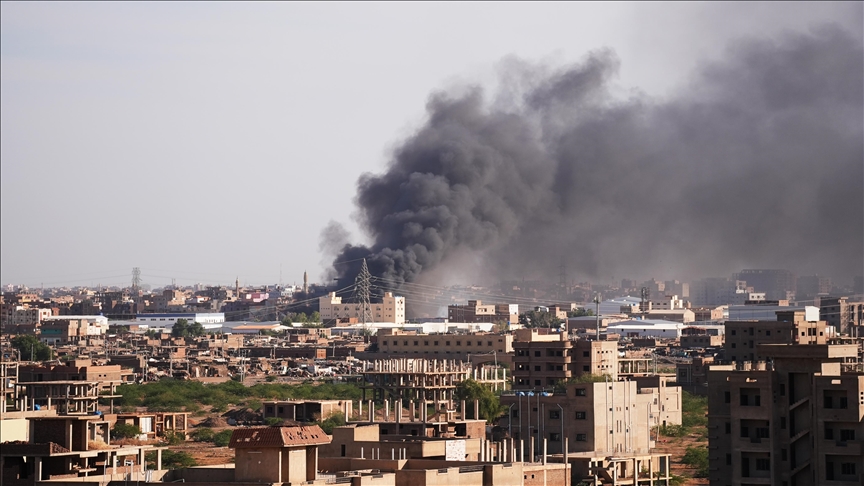
Yale University's Humanitarian Research Lab has been monitoring the situation in el-Fasher for months through satellite imagery analysis. Their latest report, based on fresh analysis of this imagery, reveals what researchers describe as a systematic campaign to destroy evidence of mass killings. The analysis identified clusters in multiple locations around the city that changed in size during the weeks following the RSF capture, indicating ongoing efforts to dispose of bodies.
Perhaps most disturbingly, the satellite evidence shows more than 80 clusters located outside the city itself. According to the HRL researchers, this pattern suggests the RSF was killing people as they attempted to flee el-Fasher, then disposing of their bodies in remote locations. The imagery from November also indicates limited civilian activity in the city since its seizure, supporting concerns about the fate of those who remained.
International Response and RSF Reactions
The mounting evidence of atrocities prompted an international backlash against the RSF and its leadership. In response to this pressure, RSF leader General Mohamed Hamdan Dagalo announced an investigation into what he termed "violations" committed by his soldiers during the capture of el-Fasher. However, the paramilitary group has continued to deny the broader allegations that the killings were ethnically motivated or followed a pattern of targeting non-Arab populations in Darfur.
The RSF has not responded specifically to the Yale University report detailing the satellite evidence of body disposal. Meanwhile, the group has used its control of el-Fasher to consolidate power in western Sudan, establishing a parallel government in Darfur's city of Nyala. Despite this consolidation in the west, Sudan's regular army still controls most of the country, with fighting between the two factions continuing across multiple fronts.
Humanitarian Crisis and Civilian Impact
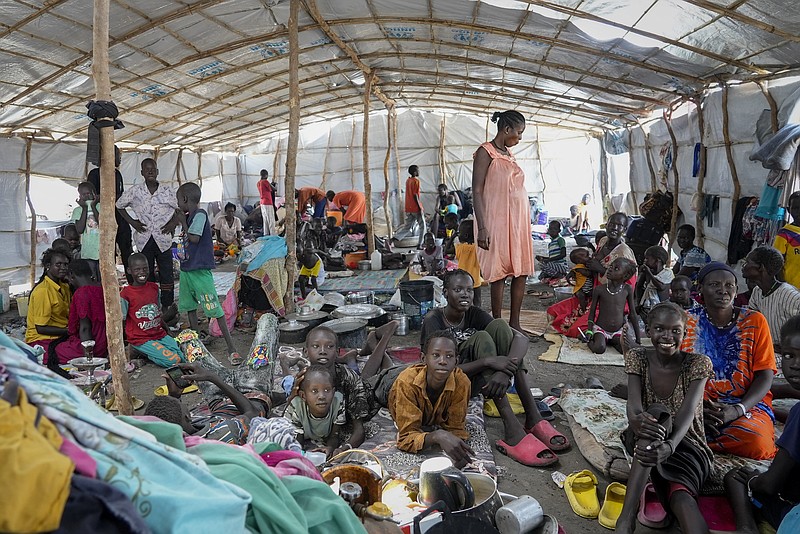
The humanitarian consequences of the conflict and the specific violence in el-Fasher have been devastating. The United Nations estimates that approximately 250,000 people remained trapped in el-Fasher following its capture, with less than half that number successfully reaching external camps for displaced people. Aid agencies have expressed particular concern about the low number of civilians who managed to flee the city after the RSF seizure, raising questions about what happened to those who remained.
The broader conflict has created what the United Nations describes as the world's worst humanitarian disaster. Beyond the immediate violence, Sudan faces a deepening famine crisis, particularly in its traditionally fertile regions where food is reportedly rotting amid the fighting. The combination of conflict, displacement, and food insecurity has created a catastrophic situation for millions of Sudanese civilians caught between the warring factions.
Conclusion: Accountability and the Path Forward
The satellite evidence presented by Yale University researchers adds a crucial dimension to understanding the scale of atrocities committed in el-Fasher. By documenting systematic efforts to conceal mass killings through body disposal, the report strengthens calls for international accountability and justice for victims. As the RSF consolidates its control in Darfur and the Sudanese army maintains its hold on much of the country, the civilian population continues to bear the brunt of a conflict with no end in sight.
The international community faces significant challenges in responding to this crisis, from providing humanitarian assistance to pursuing accountability for war crimes. The satellite evidence from el-Fasher serves as a stark reminder of the importance of documentation and monitoring in conflict zones, even as perpetrators attempt to conceal their actions. As the world's worst humanitarian disaster continues to unfold in Sudan, such evidence may prove crucial in future efforts to achieve justice and prevent further atrocities.