Read on PBS News
High-Stakes Diplomacy: U.S.-Iran Talks in Pakistan Amid Ongoing Conflict
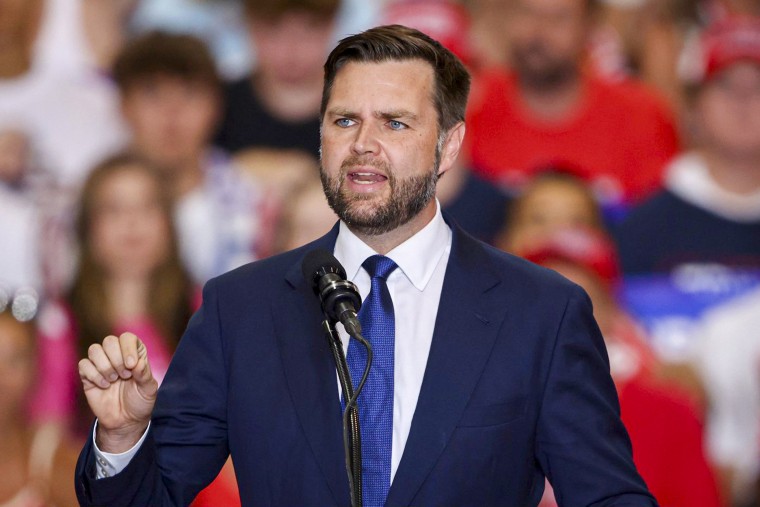
Vice President JD Vance is leading a critical U.S. delegation to Pakistan for high-level negotiations with Iranian officials, aiming to end the nearly six-week U.S.-Israel war with Iran. The talks, the most senior between the two nations since 1979, face significant hurdles including steep demands, thin trust, and a volatile regional backdrop marked by recent Israeli strikes in Lebanon. President Trump has expressed skepticism about further talks, setting a tense stage for diplomacy where the stakes involve nuclear non-proliferation, maritime security, and regional stability.
In a pivotal moment for international diplomacy, Vice President JD Vance is en route to Pakistan to engage in high-stakes negotiations with Iranian officials. The objective is to forge a path toward ending the nearly six-week-long military conflict involving the United States, Israel, and Iran. This meeting represents the most senior-level dialogue between Washington and Tehran since the 1979 Islamic Revolution, occurring against a backdrop of deep mutual distrust, escalating rhetoric, and ongoing humanitarian crises in the region. The success or failure of these talks could significantly alter the geopolitical landscape of the Middle East.
The Context and Stakes of the Negotiations
The decision to hold talks in Pakistan comes after a shaky two-week truce was brokered, following weeks of intense conflict. The war has not only involved direct U.S.-Iran hostilities but has also seen significant Israeli military action, particularly in Lebanon. Reports from the ground, as covered by PBS NewsHour, detail the devastating aftermath of Israeli strikes in Beirut, which left hundreds dead and compounded a severe humanitarian situation with over one million people displaced. This suffering on the ground adds immense pressure to the diplomatic process, with Lebanese citizens deeply divided on the merits of peace talks.
Key Demands and Preconditions
Both sides are entering the negotiations with a list of non-negotiable demands, creating a complex bargaining environment. For the United States, the paramount condition, as stated by President Trump, is a verifiable commitment from Iran that it will not pursue nuclear weapons. Additionally, the U.S. is demanding that Iran end its blockade of the Strait of Hormuz, a critical global oil chokepoint. Marine traffic data indicates a severe bottleneck, with only a handful of vessels being allowed passage by Iranian authorities, disrupting global trade.
Iran's Counter-Demands
Iran, led by Parliament Speaker Mohammad Bagher Ghalibaf, has issued its own preconditions. Iranian officials have warned that the talks could be canceled unless two key agreements from the temporary truce are implemented first: a permanent ceasefire in Lebanon and the unfreezing of Iranian assets blocked by international sanctions. Ebrahim Azizi of Iran's Parliament National Security Commission has been unequivocal, stating that control of the Strait of Hormuz will not revert to its pre-war system, asserting it remains under the strict control of Iranian armed forces.
The Diplomatic Players and Political Uncertainty
The U.S. delegation is a reflection of President Trump's inner circle, including special envoy Steve Witkoff, senior advisor Jared Kushner, and Vice President Vance. This composition signals the high priority of the talks but also ties their outcome directly to the President's volatile political stance. President Trump has publicly expressed uncertainty about supporting talks beyond this round, and his rhetoric has oscillated between threats—including a startling comment about wiping out Iran's civilization—and a focus on diplomatic outcomes. This unpredictability casts a shadow over the negotiation team's mandate and longevity.
Regional Reactions and the Path Forward
The conflict has exposed and exacerbated regional fractures. In Lebanon, the devastation has left a population torn between a desperate desire for peace and a refusal to negotiate under fire. The world is watching closely, with figures like Pope Leo urging dialogue. The immediate challenge for diplomats in Pakistan will be to bridge the vast gap in core demands while managing the humanitarian fallout and preventing a resumption of full-scale conflict. The outcome hinges on whether both sides can move from maximalist positions to a workable compromise that addresses security concerns, eases humanitarian suffering, and stabilizes a volatile region.