Read on bbc.com
Macron Criticizes Trump's 'Inconsistent' Approach to Iran War, Calls for Serious Diplomacy
French President Emmanuel Macron has publicly criticized US President Donald Trump's handling of the ongoing US-Israeli war against Iran, calling for a more serious and consistent diplomatic approach. In remarks made during a state visit to South Korea, Macron argued that the conflict, now in its second month, requires stability in messaging and less public commentary from world leaders. He emphasized that "war and peace and the lives of men and women" are at stake, not a political show. The criticism extends to Trump's recent questioning of NATO commitments and personal remarks about Macron's marriage, highlighting significant diplomatic friction between the two allies.
French President Emmanuel Macron has delivered a pointed critique of US President Donald Trump's management of the escalating US-Israeli military campaign in Iran, underscoring a growing rift in transatlantic diplomacy over the conflict. Speaking to journalists upon arrival in South Korea for a state visit, Macron framed the war as a matter demanding gravitas and strategic consistency, implicitly contrasting his vision with what he perceives as Trump's volatile public statements. "This is not a show. We are talking about war and peace and the lives of men and women," Macron stated, setting a tone of sober responsibility.
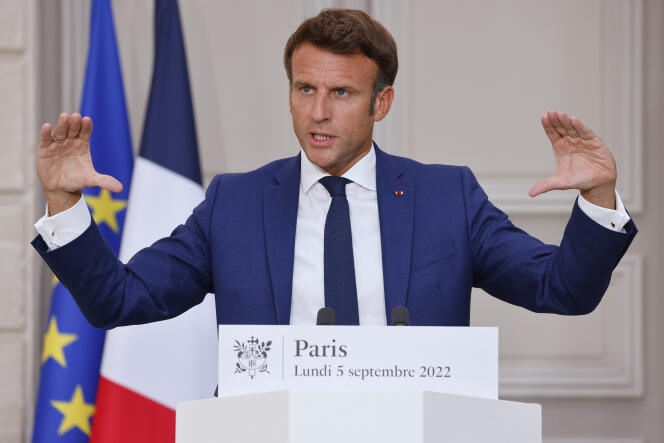
The Core of Macron's Critique: Inconsistency and Excessive Commentary
At the heart of Macron's criticism is the argument that effective statecraft in a time of war requires disciplined communication. "When you want to be serious you don't say every day the opposite of what you said the day before," he asserted. According to the BBC report, Macron suggested that leaders should "maybe... shouldn't be speaking every day. You should just let things quieten down." This commentary appears to be a direct response to the Trump administration's mixed messages on the conflict, which have at various times suggested an imminent ceasefire, declared victory, or vowed to continue fighting.
Broader Diplomatic Friction: NATO and Nuclear Strategy
Macron's remarks extended beyond the immediate war to address broader concerns about alliance integrity and strategic coherence. He defended the value of NATO, arguing that its strength lies in "the trust behind" the alliance and that publicly casting doubt on commitments "emptied it of its substance." This follows Trump's recent comments about reconsidering US membership in the organization.

On the military strategy itself, Macron expressed skepticism about the efficacy of US-led strikes. He pointedly referenced the US strikes in June 2025 that Trump claimed had "obliterated" Iranian nuclear facilities, contrasting them with the president's subsequent framing of the February 2026 war as the "last best chance" to target Iran's nuclear program. "I remind you that six months ago we were told that everything had been destroyed and all had been sorted out," Macron noted, advocating instead for a framework involving international observers to verifiably prevent nuclear enrichment, as the nuclear know-how and hidden laboratories cannot be eliminated by temporary military action alone.
Personal Attacks and the Strains on the Franco-American Relationship
The diplomatic spat took a personal turn, with Macron addressing Trump's reported mockery of him at a private lunch, where the US president imitated a French accent and made comments about Macron's wife, Brigitte. Macron dismissed these remarks as "neither elegant nor up to standard" and stated they "don't deserve a reply." The BBC notes that even Macron's political opponents in France defended him against these personal attacks, indicating the comments were poorly received nationally.
Strategic Divergence on the Strait of Hormuz
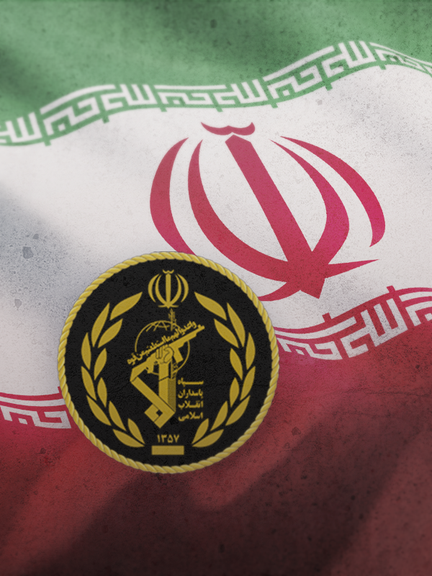
A key point of operational disagreement involves Iran's retaliation—the closure of the strategic Strait of Hormuz. While Trump has suggested that countries affected by the resulting energy supply disruption should solve the problem themselves, Macron rejected the idea of a military operation to reopen the waterway as "unrealistic." He cited the significant duration, danger, and exposure to threats from the Iranian Revolutionary Guards' coastal defenses and ballistic missiles as prohibitive risks.
Conclusion: A Call for Coherent Statecraft
Emmanuel Macron's public critique represents a significant moment of diplomatic friction between two major Western allies. It highlights a fundamental disagreement on the conduct of international conflict: one side favoring a more restrained, consistent, and alliance-based diplomatic and military approach, and the other characterized by unpredictable public pronouncements and unilateral tendencies. As the war in Iran continues, this clash of styles and strategies will likely have profound implications for the conflict's trajectory and the future of Western diplomatic cohesion. Macron's core message remains clear: in matters of war and peace, seriousness must prevail over spectacle.