Unprecedented Aurora Borealis: Solar Storms Bring Northern Lights to Unusual Latitudes
The aurora borealis, typically confined to Arctic regions, has been appearing across much of North America due to intense solar activity. Strong solar winds and magnetic turbulence are creating spectacular light shows visible as far south as Texas and Hawaii. This phenomenon results from the sun reaching the peak of its 11-year solar cycle, with increased solar storms expected to continue producing widespread auroral displays through 2026. The physics behind these celestial events involves complex interactions between solar particles and Earth's magnetic field.
The aurora borealis, traditionally visible only in northern latitudes, has been making unprecedented appearances across North America, with shimmering curtains of pink and green light illuminating night skies as far south as Texas and Hawaii. These spectacular displays represent some of the most widespread auroral activity seen in centuries, driven by powerful solar winds and magnetic turbulence that are reshaping our understanding of space weather patterns.

The Solar Cycle Peak and Enhanced Activity
The current surge in auroral activity stems from the sun reaching the maximum phase of its 11-year solar cycle. During this period, the sun experiences increased solar storms and heightened magnetic activity. According to Wired's analysis, although the cycle's peak has technically passed, stronger than usual solar storms and unusually widespread auroras are expected to persist into 2026. This extended period of intense space weather offers unique opportunities for observation and study.
Understanding Solar Wind and Space Weather
Solar wind consists of electrically charged particles ejected from the sun at incredible speeds, sometimes reaching up to 1.5 million miles per hour. These particles originate from the sun's outer layers, where extreme heat creates plasma—a state where electrons are ripped away from their atoms, leaving free electrical charges. When these charged particles escape the sun's gravitational pull, they form the solar wind that eventually interacts with Earth's atmosphere.

The Physics Behind Auroral Displays
The mechanism creating auroral lights shares similarities with neon lighting technology. When solar wind particles collide with atmospheric gases, they transfer energy to the gas molecules. Oxygen molecules produce green light at lower altitudes and red at higher elevations, while nitrogen creates blue or purple hues. The distinctive pinks and yellows observed in recent displays result from gas mixtures during particularly intense solar storms. Earth's magnetic field plays a crucial role, providing additional energy to these collisions and creating the dramatic light shows.
Magnetic Field Interactions
The sun's unstable magnetic field, which reverses polarity approximately every 11 years, contributes significantly to current space weather conditions. Different rotation speeds across the sun's surface cause magnetic field lines to twist and warp, eventually breaking through to create sunspots and solar flares. These eruptions can develop into coronal mass ejections—massive releases of plasma and magnetic field from the sun's corona that drive the most intense auroral displays.
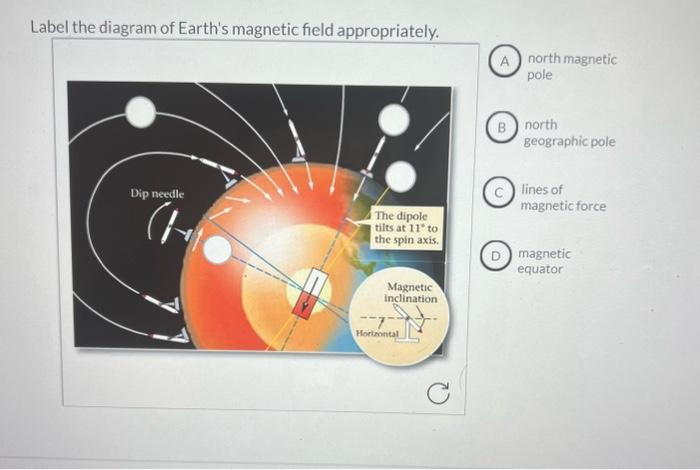
The interaction between solar wind and Earth's magnetic field creates a dynamic system where incoming charged particles not only produce light but also distort our planet's magnetic field. This distortion causes the field to wiggle and shift, enhancing the visual spectacle of auroral displays. Interestingly, auroras occur during daylight hours as well, though they remain invisible to human observers due to sunlight.
Looking Ahead: Continued Displays Through 2026
The current period of enhanced auroral activity represents a rare opportunity for millions of people to witness these celestial phenomena without traveling to polar regions. The succession of mass ejections in May 2024 created what experts describe as potentially the wildest auroral display in 500 years. With similar activity expected to continue through 2026, skywatchers across North America should remain alert for future displays, particularly during periods of heightened solar activity.
This extraordinary period of widespread auroral visibility underscores the dynamic relationship between our planet and its parent star. As solar activity continues at elevated levels, the coming years promise additional opportunities to observe and study these magnificent light shows, while also reminding us of the complex physical processes that connect Earth to the wider solar system.