Read on Global News
Canadian Border Officer Sues India Over Disinformation Campaign Branding Him a Terrorist
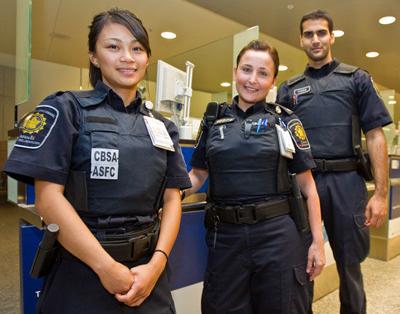
Sunny Sidhu, a veteran Canada Border Services Agency officer, is taking legal action against the Indian government and his own employer following a coordinated disinformation campaign that falsely labelled him a wanted terrorist. The lawsuit, filed in Ontario, alleges that Indian state-aligned media and influencers targeted Sidhu as part of a propaganda effort to retaliate against Canada for accusing India of extraterritorial violence. The campaign, which included false accusations broadcast to millions and direct threats to Sidhu's life, has had severe personal and professional consequences, raising critical questions about foreign interference, state-sponsored disinformation, and the duty of care owed by employers.
In a landmark case highlighting the real-world impact of state-sponsored disinformation, a decorated Canadian border officer is fighting to reclaim his life and reputation. Sunny Sidhu, a superintendent with the Canada Border Services Agency (CBSA), has launched a $9 million lawsuit against the government of India, alleging he was maliciously targeted by its "propaganda machine." The suit, to be filed in Ontario court, claims India orchestrated a smear campaign that falsely branded Sidhu a "dreaded terrorist" in retaliation for Canada's accusations linking Indian agents to an assassination on Canadian soil. This case represents a rare attempt to hold a foreign government accountable for disinformation and exposes the profound personal toll such campaigns inflict.
The Anatomy of a Smear Campaign
The disinformation offensive against Sunny Sidhu began in earnest in October 2024, following a significant diplomatic rupture. After the RCMP commissioner publicly implicated Indian agents in the killing of Hardeep Singh Nijjar in Surrey, B.C., and other violent crimes, Canada expelled six Indian diplomats. In response, a coordinated media blitz from Modi-aligned Indian outlets sought to turn the tables. Less than a week later, Sidhu found himself at the center of a fabricated story, portrayed as a fugitive terrorist on the Canadian government's payroll.
Major Indian broadcasters like Times Now and India Today ran segments under banners reading "Trudeau’s tax-funded terrorist" and "Kanada rewards assassin." Anchors told millions of viewers that Sidhu—referred to by the common Sikh name Sandeep Singh Sidhu—was proof of Canadian hypocrisy. They falsely accused him of being a member of the International Sikh Youth Federation (a listed terrorist entity in Canada) and of conspiring with Pakistan's intelligence service. Crucially, the photo used across these reports was one Sidhu had provided to the Indian government years earlier for a travel visa, suggesting state coordination.
Life-Altering Consequences and Institutional Failure
For Sidhu, a lifelong British Columbia resident with no involvement in Indian politics, the campaign was devastating. His name, photo, and home address were disseminated widely, leading to explicit threats of violence and calls for his extradition and murder. On social media platform X, one user posted an aerial image of his home with the message, "His address. Go and kill him." Local police in Abbotsford, B.C., warned him to be extremely cautious, advising him to change his appearance, switch vehicles, and vacate his family home, citing a history of similar false allegations leading to murder.

According to the statement of claim, the CBSA, Sidhu's employer, failed catastrophically in its duty of care. Instead of offering protection, management allegedly mocked the death threats and advised him the matter was not work-related. The agency is accused of sending one of the defamatory Indian news reports to all employees in an email blast. Colleagues reportedly joked about him making bombs on his family farm. Despite cooperating fully with a Canadian Security Intelligence Service (CSIS) investigation—which included polygraph tests and found nothing—Sidhu felt abandoned. The psychological toll led to a diagnosis of clinical depression, anxiety, and PTSD, culminating in a stay at a rehabilitation program in Vancouver.
Legal Allegations and Geopolitical Context
The lawsuit frames Sidhu as a deliberate target chosen by India to serve as a "patsy." It alleges he was singled out because he had a common Sikh name and held a visible, uniformed position within Canada's national security apparatus. This made him an ideal instrument for India's "propaganda machine" to falsely accuse Canada of employing and supporting Khalistani extremists. The claim seeks damages for defamation, negligence, and the intentional infliction of mental suffering.
This legal battle unfolds against a complex geopolitical backdrop. Prime Minister Mark Carney's government has been working to rebuild diplomatic and trade relations with Prime Minister Narendra Modi's India, despite ongoing RCMP investigations into Indian interference. Carney has met with Modi and launched negotiations for a trade deal aimed at doubling bilateral trade. However, as noted in the Global News report, this pursuit of economic opportunity exists in tension with the lived reality of Canada's South Asian community, which law enforcement identifies as the primary target of Indian government activities in Canada, including disinformation and transnational repression.
A Test Case for Accountability
Sunny Sidhu's case is more than a personal grievance; it is a test case for legal accountability in the age of state-sponsored disinformation. It challenges how democracies can protect their citizens from foreign propaganda campaigns designed to intimidate and divide. The lawsuit also places a spotlight on the responsibilities of domestic institutions. It alleges the CBSA was "negligent, reckless, careless" and failed to meet the standard of a competent employer, suggesting a systemic failure to address security threats stemming from foreign interference.
The outcome of this suit could set a significant precedent. If successful, it may establish a legal pathway for individuals harmed by foreign disinformation to seek redress, potentially deterring similar campaigns. It also forces a public conversation about the balance between pursuing international trade partnerships and upholding the security and dignity of citizens targeted by allied nations. As Sidhu fights to clear his name, his case underscores that disinformation is not an abstract digital nuisance but a potent weapon with the power to destroy lives, strain international relations, and test the resilience of democratic institutions.