Read on the Guardian
UK Foreign Office Cyber-Attack: Analysis of the October Breach and Response
In October, the UK's Foreign, Commonwealth and Development Office (FCDO) suffered a significant cyber-attack, with details emerging in December. Trade Minister Chris Bryant confirmed the breach while stating the risk to individuals was low, though the investigation into the perpetrators continues. Reports from The Sun suggested a Chinese hacking group, Storm 1849, was responsible, potentially accessing tens of thousands of visa details. This incident highlights the persistent threat of sophisticated cyber-attacks against government institutions and the challenges in rapid attribution.
The revelation of a cyber-attack on the UK's Foreign, Commonwealth and Development Office (FCDO) in October underscores the ongoing vulnerability of critical government infrastructure to digital threats. While Trade Minister Chris Bryant has sought to reassure the public by stating the risk to "any individual" is low, the incident raises significant questions about data security, state-sponsored hacking, and the geopolitical dimensions of cyber warfare. This analysis examines the known details of the breach, the official response, and the broader implications for national cybersecurity.
Details of the FCDO Cyber-Attack
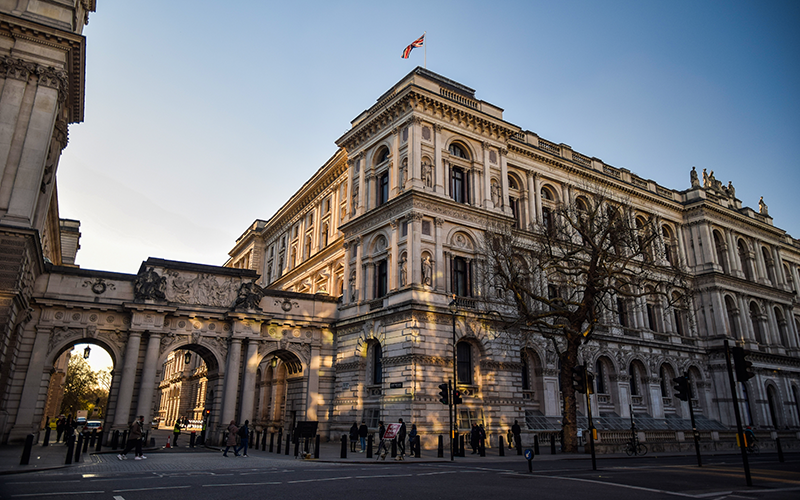
The breach was publicly confirmed by Trade Minister Chris Bryant in December, though the government had been aware of it since October. According to reports from The Guardian, the attack involved a "technical issue in one of our sites." Bryant emphasized that the vulnerability was closed "very quickly" after discovery, limiting the potential damage. However, specific technical details about the attack vector remain undisclosed, which is common practice during ongoing investigations to prevent further exploitation.
Potential Scale and Data Impact
While the government maintains a stance of minimal individual risk, media reports suggest a more concerning scale. The Sun newspaper reported that the Chinese hacking group Storm 1849 was responsible and that the breach potentially involved "tens of thousands of visa details." If accurate, this represents a significant compromise of sensitive personal data belonging to individuals applying for UK visas. A government spokesperson stated, "We take the security of our systems and data extremely seriously," but the potential exposure of such data highlights the high stakes of breaches at diplomatic institutions.

Attribution Challenges and the Chinese Connection
Attributing cyber-attacks is notoriously difficult, and this incident is no exception. Minister Bryant explicitly stated it was "not entirely clear" who was behind the attack and cautioned against speculation, despite The Sun's report pointing to Storm 1849. This group has been accused of targeting politicians and groups critical of the Chinese government. The reluctance to formally attribute the attack reflects diplomatic sensitivities, especially concerning relations with China.
Link to Broader Campaigns
Cybersecurity experts have drawn connections between this incident and broader hacking campaigns. Storm 1849 has been linked to a campaign known as ArcaneDoor, first detected in 2024. The US tech firm Cisco, a victim of ArcaneDoor, stated these attacks showed the hallmarks of a "sophisticated state-sponsored actor." Toby Lewis, global head of threat analysis at Darktrace, noted it was a "reasonable hypothesis" to link the ArcaneDoor activity and the FCDO attack, given their timing. He also highlighted that Chinese state-backed actors are known for targeting large datasets that could benefit Beijing, referencing the 2024 hack of the UK's Electoral Commission that compromised 40 million people's data.
Government Response and Public Reassurance
The UK government's response has focused on containment and public reassurance. Minister Bryant's interviews aimed to balance transparency with the need to avoid "scaremongering." He acknowledged the investigation "could take quite a long time" to conclusively identify the attacker. This measured approach is typical in the immediate aftermath of a state-affiliated breach, where public statements are carefully crafted to manage perceptions without escalating geopolitical tensions prematurely.

Broader Implications for National Security
The FCDO hack is not an isolated event but part of a persistent pattern of cyber-attacks targeting Western governments. It serves as a stark reminder that diplomatic and foreign affairs departments are high-value targets for foreign intelligence gathering. The potential theft of visa data could be used for espionage, identity fraud, or to map networks of individuals entering the country. This incident will likely prompt a review of security protocols within the FCDO and across other government departments to bolster defenses against similarly sophisticated threats.
In conclusion, the October cyber-attack on the UK Foreign Office reveals the complex interplay between cybersecurity, diplomacy, and national security. While the immediate technical breach has been contained, the long-term investigation and attribution process will have significant diplomatic ramifications. The incident reinforces the necessity for continuous investment in cyber defenses, robust incident response plans, and international cooperation to deter and respond to state-sponsored hacking activities. The government's challenge remains to protect sensitive data while maintaining public trust in its ability to secure national digital infrastructure.