US Defense Secretary Declares Caribbean Strike Video 'Top Secret'
US Defense Secretary Pete Hegseth has stated that the full, unedited video of a controversial September 2nd military strike on a boat in the Caribbean is classified as 'top secret' and will not be released to the public. Hegseth expressed pride in the operation while confirming that access to the footage will be restricted to a select group of lawmakers, citing national security protocols. This decision highlights ongoing tensions between government transparency and operational secrecy in military affairs.
US Defense Secretary Pete Hegseth has publicly confirmed that the complete video footage of a military strike conducted against a boat in the Caribbean on September 2nd is classified as 'top secret.' The announcement, made to reporters, underscores the Biden administration's stance on withholding sensitive operational details from public view, restricting access solely to a limited number of lawmakers in Congress.

The 'Top Secret' Classification and Restricted Access
In his statement, Secretary Hegseth was explicit about the video's status. The classification as 'top secret' places it among the highest levels of national security information, governed by strict protocols that prevent its public dissemination. Hegseth indicated that the decision to restrict viewing to select members of Congress is standard procedure for protecting intelligence sources, methods, and ongoing operational security. This move effectively blocks the general public and media from independently assessing the events of the September 2nd engagement.
Context of the Caribbean Strike Operation
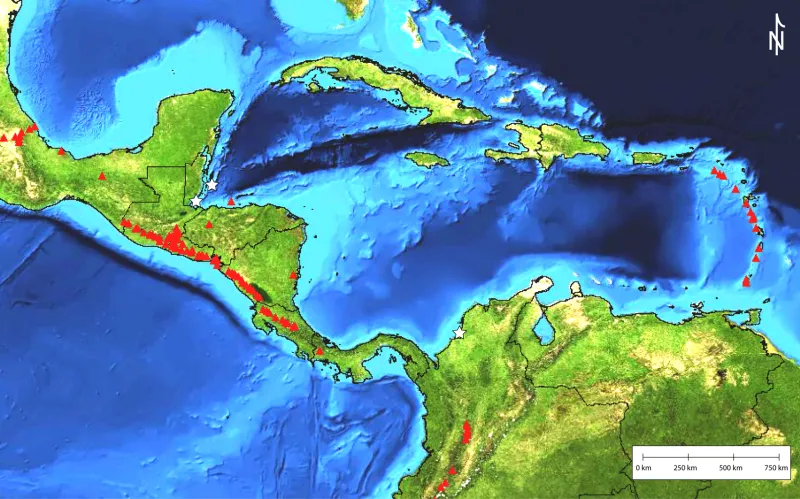
The strike in question occurred in early September, though the Pentagon has released minimal details about the specific target or the nature of the threat. Operations in the Caribbean often involve counter-narcotics missions or interdiction of illicit trafficking. By expressing pride in the strikes while simultaneously sealing the visual record, the Defense Department is navigating a complex public relations and accountability landscape. The administration is signaling confidence in the operation's legitimacy while invoking security necessities to limit external scrutiny.
Balancing Transparency with National Security
This incident reignites the perennial debate between governmental transparency and operational secrecy. Proponents of secrecy argue that releasing tactical footage can compromise future operations, reveal capabilities, and endanger personnel. Advocates for transparency, however, contend that in a democracy, the public has a right to understand the actions undertaken in its name, especially when involving the use of lethal force. The decision to show the video only to lawmakers is a compromise, placing oversight responsibility in the hands of the legislative branch without public disclosure.
The controversy surrounding the Caribbean strike video is a clear example of the challenges modern governments face in an era where information and imagery are powerful tools for both accountability and propaganda. Secretary Hegseth's firm 'top secret' designation sets a precedent for how similar incidents may be handled in the future, prioritizing classified protocols over public evidentiary review.