Read on PBS News
Trump Administration Halts East Coast Offshore Wind Projects Citing National Security Concerns
The Trump administration has announced an immediate pause on leases for five major offshore wind farms along the Eastern seaboard, citing Pentagon concerns about radar interference. This decision represents the latest in a series of actions targeting renewable energy development and jeopardizes billions in investments and clean energy capacity for millions of homes. The move comes at a critical time when electricity demand is surging due to AI data centers and economic electrification, raising questions about long-term energy security and grid stability.
The Trump administration's recent decision to pause five major offshore wind projects along the East Coast has sent shockwaves through the renewable energy sector and raised significant questions about America's energy future. Citing national security concerns related to radar interference, this move represents the latest in a series of actions targeting wind power development and comes at a particularly inopportune moment for the nation's electricity grid. With billions of dollars already invested and critical clean energy capacity at stake, this decision has far-reaching implications for both energy policy and national security priorities.
The Decision and Its Immediate Impact
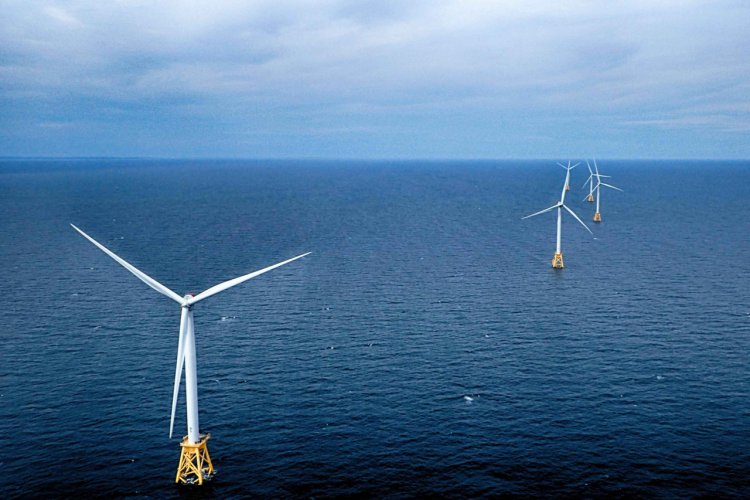
On December 22, 2025, the Interior Department announced an immediate pause on leases for five large-scale offshore wind farms, with Interior Secretary Doug Burgum stating that the Department of Defense had concluded these projects "create radar interference that creates a genuine risk for the U.S." The affected projects were positioned to power approximately 2.5 million homes and businesses along the Eastern seaboard, representing a significant portion of the region's planned clean energy capacity. According to reporting from PBS NewsHour, at least one of the halted projects was already partially operational, meaning investments had already been made and infrastructure was in place.
The timing of this decision is particularly significant given the extensive review process these projects had already undergone. As noted by science correspondent Miles O'Brien, these offshore wind initiatives "first took root about 25 years ago" and went through "layer after layer of approval and permitting process" over the past decade. This included scrutiny from both the Federal Aviation Administration and the Department of Defense to assess potential radar interference issues. The fact that these projects had already passed these regulatory hurdles makes the administration's sudden reversal particularly disruptive to the energy sector.

National Security Concerns vs. Energy Security
The administration's primary justification centers on radar interference concerns, with officials arguing that the massive turbines—some as tall as the Eiffel Tower at approximately 1,000 feet—could "obscure and confuse radar signals." However, energy experts and industry representatives question both the timing and substance of these concerns. As O'Brien noted in his analysis, "radar do see these turbines" but there are "all kinds of ways to mitigate against that problem," including improving radar coverage, adding additional radar systems, or reducing the radar reflectivity of turbine blades.
More fundamentally, critics argue that shutting down operational wind farms doesn't actually solve the radar interference problem since "those turbines are still sitting in the water" and "those obstacles are still there." This raises questions about whether the radar concerns are being used as a pretext for broader opposition to renewable energy development. Meanwhile, energy security experts point to what they consider a more pressing national security threat: an unstable electricity grid unable to meet growing demand.
Broader Context and Long-Term Implications
This decision represents the latest in what PBS NewsHour describes as "the Trump administration's efforts to undo renewable energy and to double down on fossil fuels." The move comes at a critical juncture for America's energy infrastructure, with electricity demand experiencing an unprecedented surge after "70 years of flat demand for electricity in the U.S." This increased demand is driven by two major factors: the electrification of the economy and the explosive growth of artificial intelligence data centers.
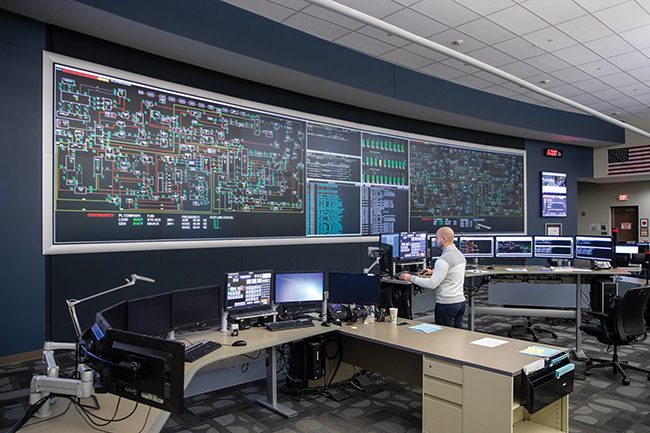
The regional impact is particularly severe in the Northeast, where grid operators have heavily invested in offshore wind as a cornerstone of their energy strategy. According to ISO New England, approximately 37 gigawatts of power are in the interconnection queue, with 45% of that capacity coming from offshore wind projects. With viable alternatives limited—fossil fuel plants taking "five, six, seven years just to get a gas turbine delivered" and nuclear power requiring even longer timelines—the region faces significant challenges in meeting its energy needs without these wind projects.
Industry Reaction and Economic Consequences
The reaction from states and companies involved in these projects has been one of "resignation and, frankly, quite a bit of sadness," according to O'Brien's reporting. Industry representatives describe feeling like they've received "yet another body blow on a long-term effort that they thought they had come close to realizing." The economic consequences are substantial, with "a huge amount of money that's being lost, even as we speak" and billions already spent to install turbines and connect them to the grid.
Beyond the immediate financial losses, this decision creates uncertainty for future renewable energy investments across the country. If projects that have successfully navigated years of regulatory review can be suddenly halted based on previously addressed concerns, investors may become reluctant to fund similar initiatives. This uncertainty could slow America's transition to cleaner energy sources precisely when acceleration is needed to meet both climate goals and growing electricity demand.
Looking Forward: Energy Policy at a Crossroads
As the United States faces "an unprecedented, near-unprecedented increase in demand for energy," experts agree that "every possible option needs to be on the table" to ensure grid stability and energy security. The decision to halt these wind projects removes a significant option from that table, particularly for East Coast population centers that lack viable alternatives for clean, reliable power generation.
The fundamental question raised by this decision is whether national security is better served by addressing potential radar interference through technical solutions or by jeopardizing the development of clean energy infrastructure needed to power America's growing economy. With AI development and economic electrification driving electricity demand to new heights, the stability and capacity of the national grid may represent the more pressing security concern. As policymakers and energy experts continue to debate these issues, the immediate consequence is delayed progress on renewable energy development and increased challenges in meeting America's future energy needs.