 Read on cbsnews.com
U.S. Airman Rescued in Daring Mission as Iran War Escalates
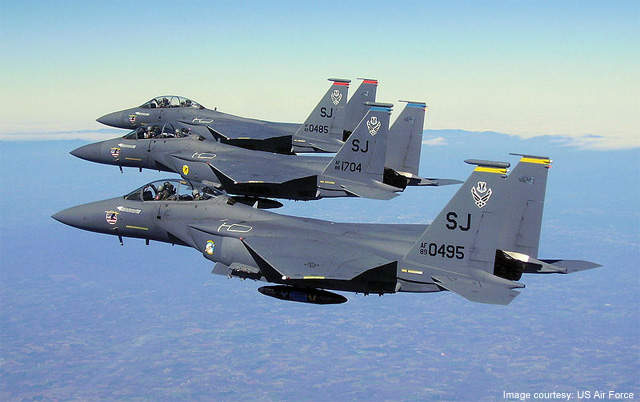
In a high-stakes operation, U.S. forces successfully rescued a missing airman from the mountains of Iran after his F-15E fighter jet was shot down. The dramatic rescue comes as President Trump issues a stark ultimatum to Tehran, threatening to destroy Iranian power plants and bridges unless the strategically vital Strait of Hormuz is reopened. With the conflict now in its fifth week, the war continues to intensify, impacting global oil markets and regional stability.
The ongoing war between the United States, Israel, and Iran has entered a critical new phase marked by a dramatic rescue operation and escalating threats. Over the weekend, U.S. forces successfully extracted a "seriously wounded" weapons systems officer from a remote mountainside in Iran, following the downing of an F-15E Strike Eagle fighter jet. This daring mission, described by President Trump as one of the most daring in U.S. history, unfolded as the commander-in-chief issued a profanity-laced ultimatum to Iran, setting a Tuesday deadline for the reopening of the Strait of Hormuz or facing devastating strikes on civilian infrastructure.
The Daring Search and Rescue Operation
The incident began on Friday, April 3, 2026, when Iranian forces shot down a U.S. F-15E fighter jet over a remote area of southwestern Iran. The two-person crew ejected. While the pilot was rescued by U.S. military helicopters on Friday, the weapons systems officer remained missing for over a day, evading capture in hostile territory. According to reports from CBS News, the missing officer was armed only with a handgun and used survival training to hide in a mountain crevice.
The rescue mission, ordered by President Trump, was a complex operation involving dozens of special forces personnel, warplanes, and helicopters. The Central Intelligence Agency (CIA) played a pivotal role, launching a deception campaign to mislead Iranian forces about the airman's location while using its capabilities to track him. Navy SEALs eventually recovered the officer in the early hours of Sunday, April 5, local time. He was flown to Kuwait for medical treatment. The mission was not without cost; an A-10 Warthog aircraft was damaged during the operation, and its pilot ejected safely over the Persian Gulf.
Trump's Ultimatum and the Strait of Hormuz Stalemate
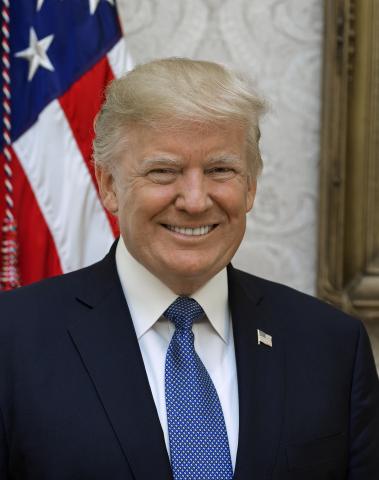
As the rescue unfolded, President Trump dramatically escalated rhetoric against Iran. In a series of social media posts, he warned that Tuesday, April 7, would be "Power Plant Day, and Bridge Day, all wrapped up in one" in Iran unless the country reopens the Strait of Hormuz. "Open the F*****' Strait, you crazy bastards, or you'll be living in Hell," he wrote on Truth Social. He later told The Wall Street Journal the U.S. would destroy "every power plant" and bridge in Iran if the waterway remained closed.
The Strait of Hormuz, a chokepoint between the Persian Gulf and the Gulf of Oman, is arguably the world's most important oil transit lane, typically carrying one-fifth of global oil consumption. Since the war began on February 28, Iran has effectively blockaded the strait, allowing only a trickle of traffic, often after extracting hefty tolls from shippers. This has caused oil and gas prices to surge globally, creating economic strain. Iran has signaled it may seek to make this tolling system permanent as compensation for war damages, a notion U.S. officials have rejected.
International and Iranian Reactions
Iranian officials have condemned Trump's threats as an intent to commit war crimes. Iran's Deputy Foreign Minister, Kazem Gharibabadi, cited the Rome Statute of the International Criminal Court, stating that threatening civilian infrastructure constitutes a public incitement to war crimes. Iran's central military command warned of "much more devastating" retaliation if its civilian infrastructure is attacked.
Meanwhile, global efforts to mediate a ceasefire continue. Pakistan has offered to host talks, and Oman has discussed "ensuring the smooth flow of transit" with Iran. However, the path to de-escalation remains unclear as military actions persist.
The Wider Conflict and Regional Impact
The war, now in its fifth week, has expanded into a regional conflict. Iran has launched sustained missile and drone attacks against U.S. allies, including Israel, Kuwait, the United Arab Emirates, Bahrain, and Saudi Arabia. These attacks have targeted civilian infrastructure, including power plants, water desalination facilities, and oil refineries. In Israel, a residential building in Haifa was struck by an Iranian missile, wounding several people.
The human and material cost is mounting. Newly released Pentagon figures show 365 American service members have been wounded in operations against Iran, with 13 killed. The economic fallout is also significant, with European finance ministers calling for windfall taxes on energy companies as prices soar.
Conclusion: A Precarious Stalemate
The successful rescue of the American airman is a tactical victory that underscores the U.S. military's capability and commitment to leaving no one behind. However, it does little to resolve the strategic impasse at the heart of the conflict. The future of the Strait of Hormuz and the threat to Iranian civilian infrastructure have created a dangerous brinkmanship scenario. With President Trump's Tuesday deadline looming, the world watches to see if Tehran will relent or if the conflict will escalate to a new, more destructive level, with profound consequences for global energy markets and regional security.